New York, the self-proclaimed vanguard of progressive climate action, is staring down the barrel of its own green revolution—and it’s starting to look a lot like a financial bloodbath. The state’s Climate Leadership and Community Protection Act (CLCPA) of 2019 painted a utopian vision: 70% renewable electricity by 2030, 100% zero-emission power by 2040, and net-zero emissions economy-wide by 2050.
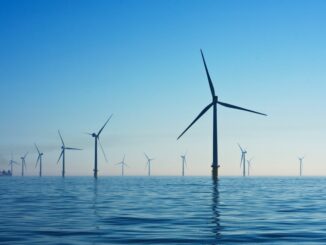
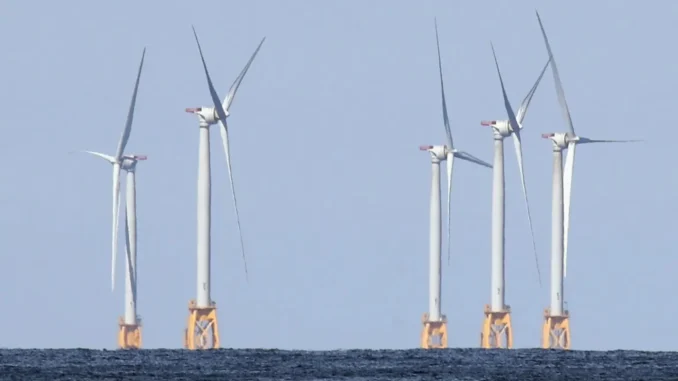
It was supposed to be cheap, clean, and cheerful. But as a scathing New York Post op-ed laid bare this week, reality is crashing the party—hard. Wind energy, the darling of the renewables push, is delivering skyrocketing costs, grid instability, and a rude awakening for taxpayers and ratepayers alike.
With a court-mandated deadline looming just days away (February 6, 2026), Albany’s draft 2025 Energy Plan admits the emperor has no clothes: these goals are “infeasible and unaffordable.”
At the heart of the fiasco? Intermittent wind and solar power that sounds great on paper but requires massive, expensive backups to keep the lights on when the breeze dies down or clouds roll in. The state’s most aggressive green scenario pencils out to a 35% hike in energy-system costs by 2040—$42 billion that year alone—acting like a regressive tax that slams low-income households with higher bills for heat, electricity, and transportation.
And that’s before accounting for the “vast overbuilds” of turbines and panels, unscalable battery storage, and fossil-fuel peaker plants that make the whole “green” label a joke. New York’s emissions? A measly 0.4% of the global total. Even if the Empire State went full net-zero tomorrow, it’d barely nudge the planet’s thermostat—less than 0.2°F by 2100, per economic models, as China, India, and the developing world keep burning coal and gas to lift billions out of poverty.
This isn’t just pie-in-the-sky policy wonkery; it’s a direct assault on New York’s economy, which still hums on the reliable shoulders of natural gas, coal, gasoline, and diesel—fuels the state loves to demonize while suing the companies that produce them.
New York’s Energy Mix: Green Dreams vs. Fossil Reality
Let’s start with the numbers. New York’s energy profile in 2025 tells a story of dependency, not dominance, when it comes to renewables. Natural gas powers about 50% of the state’s total energy needs, fueling everything from home heating (where it dominates residential and commercial use) to electricity generation (44% of the mix) and manufacturing.
Hydroelectricity from Niagara and the St. Lawrence provides a solid clean baseload—more than any state east of the Rockies—but it’s capped.
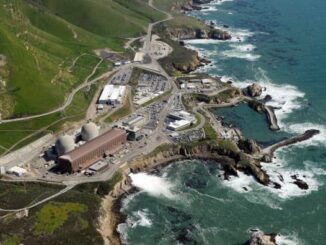
Nuclear chips in at around 25-30% of electricity, with wind and solar scraping together just 10-15% despite billions in subsidies.
Coal? It’s down to a whisper—less than 1% for electricity, confined to niche industrial uses—but it’s still critical for certain high-heat processes where alternatives fall short.
Gasoline and diesel? They’re the lifeblood of transportation, a sector guzzling 40% of the state’s energy and supporting a $100 billion+ logistics hub in the Port of New York and New Jersey. Without them, trucks don’t roll, planes don’t fly, and the $1.5 trillion economy grinds to a halt.
Yet under the CLCPA, renewables were supposed to hit 6,000 MW of distributed solar by 2025 (scaling to 10,000 MW) and 1,500 MW of storage—targets the state is already missing, with zero-emission electricity actually down from 2019 levels.
The 2030 goal of 70% renewables? Experts say it’s a pipe dream, even as wind farms sprout offshore.
Policies That Punish Reliability: No Pipelines, Please
New York’s green zealots have gone all-in on mandates while starving the system of a reliable supply. Take natural gas pipelines: The Williams Northeast Supply Enhancement (NESE) project, meant to deliver 400 million cubic feet per day to New York City and Long Island, was rejected three times by regulators—most infamously in 2020 by then-Gov. Andrew Cuomo’s Department of Environmental Conservation over “water quality” fears.
Environmental groups cheered, but ratepayers got hosed: Without it, gas shortages loomed during brutal winters, driving up prices and forcing reliance on dirtier imports.
A 2025 revival attempt cleared a hurdle in November, but only after years of legal limbo—and even now, activists are suing to block it.
This isn’t caution; it’s sabotage. Natural gas isn’t just cheap and abundant—it’s the backbone of 50% of New York’s energy, preventing blackouts and keeping manufacturing competitive.
The CLCPA’s ripple effects? A “cap and invest” carbon pricing scheme rolled out in Governor Kathy Hochul’s 2025 agenda, slapping fees on emissions to fund green projects—but really just hiking utility bills by 25% or more, with a quarter of delivery fees already siphoned to state coffers.
Electricity prices are skyrocketing—up double digits in recent years—thanks to Albany’s war on fossil fuels, leaving households and businesses paying above-national-average rates for heat and power.
And don’t get me started on Local Law 97 in NYC, which fines buildings for “excess” emissions, adding insult to injury for owners already squeezed by energy poverty.
Suing the Hand That Feeds You
If blocking pipelines and jacking up taxes weren’t enough, New York’s Attorney General and city officials are on a crusade against the very industries propping up the state. In 2021, New York City sued ExxonMobil, BP, Shell, and the American Petroleum Institute, accusing them of “greenwashing” and misleading the public on climate risks—seeking billions in damages under consumer protection laws.
The case dragged through federal courts, only to be dismissed in January 2025 for lacking jurisdiction, but not before costing taxpayers millions in legal fees.
State AG Letitia James has piled on with broader actions, including challenges to the fossil fuel “Climate Superfund Act” of 2024, which aimed to bill oil giants for weather damages.
This hypocrisy burns brightest when you consider the targets: Exxon, Shell, and their peers supply the natural gas that heats 80% of New York homes, the diesel that moves $200 billion in annual freight through its ports, and the gasoline that powers the daily commutes of 8 million Gothamites. Coal, though waning, still underpins specialty industries like steel and cement. Without these fuels, New York’s $2 trillion GDP—fueled by finance, tech, manufacturing, and tourism—would collapse. Energy powers the economy; demonizing it invites exodus, as businesses flee to cheaper, more reliable states like Texas or Pennsylvania.
Time to Pop the Green Bubble
New York’s wind-fueled fantasy is no longer just expensive—it’s existential. The 2025 Energy Plan’s concessions signal a pivot: away from rigid zero-emission timelines toward a “balanced” mix that keeps fossil backups in play, but only after years of denial have inflated costs and eroded trust.
Germany’s Energiewende doubled power prices with scant emissions cuts; Spain’s solar blackouts are a cautionary tale.
Why repeat their mistakes?
The fix? Ditch the mandates for innovation: Pour that $42 billion into R&D for next-gen nuclear, carbon capture, or affordable storage—not virtue-signaling lawsuits and pipeline vetoes.
New Yorkers deserve reliable, affordable energy that powers prosperity, not a utopian party where the bill arrives after the guests have left. Albany, the hangover’s here—time to sober up.
Stuart Turley, host of Energy News Beat, we’d love to discuss this on the pod. What’s your take on NY’s green grind?
Sources: nypost, harrisbeachmurtha.com
Get your CEO on the podcast: https://sandstoneassetmgmt.com/media/
Is oil and gas right for your portfolio? https://sandstoneassetmgmt.com/invest-in-oil-and-gas/