The Tale of Two SPRs and Different Uses: US and China Navigate the Iran War Supply Shock

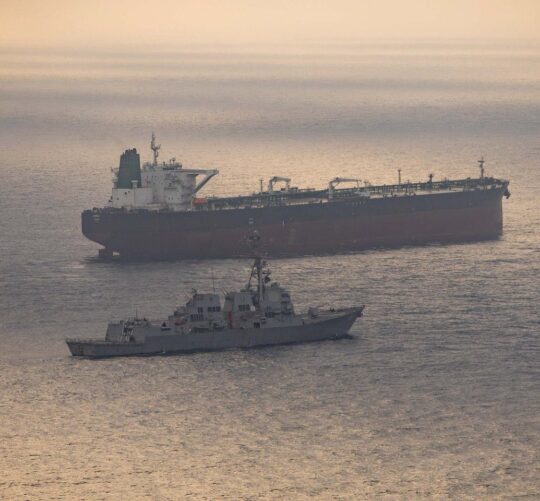
In the most complex mix of geopolitical supply disruptions in modern history—over 100 days into the US-Iran conflict involving strikes, Hormuz transit risks, and broader Middle East tensions—the United States and China are effectively supplying a significant portion of global oil demand through their strategic and commercial reserves. They are doing so via sharply contrasting […]

Continue Reading

Iranian Official Says Hormuz to Reopen with New Toll Regime – Would Somebody Tell the Trump Administration They May Not Be Talking with the “Right” People?

In a statement that underscores the deepening fog of miscommunication between Tehran and Washington, Iran’s Ambassador to Russia, Kazem Jalali, told Russia’s Izvestia newspaper that the Strait of Hormuz will ultimately reopen — but only under new conditions set jointly by Iran and Oman, including transit fees for “services” provided in the waterway. “Of course, […]

Continue Reading

The Iran Closure on the Strait of Hormuz Could Last to Labor Day: What It Means for Global Markets, Oil Prices, and the Physical vs. Paper Disconnect

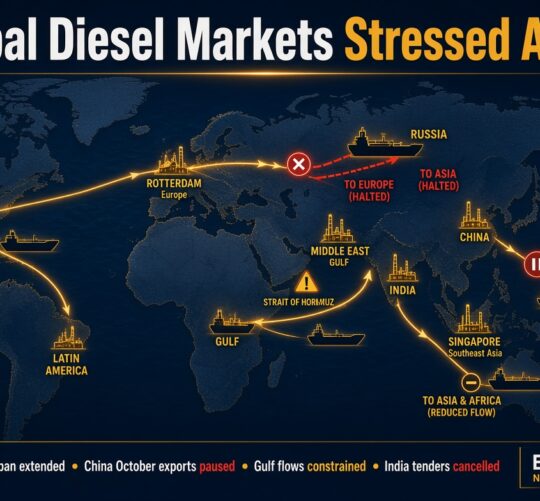
The Strait of Hormuz — the narrow waterway through which roughly one-fifth of global oil and significant LNG volumes flow — has remained effectively closed since early March 2026 following the escalation of the U.S.-Israel-Iran conflict. Iran has suspended talks and signaled the blockade could become permanent absent major concessions. In a wide-ranging interview with […]

Continue Reading

More Indian Imports Of Venezuelan Oil Wouldn’t Mean That India Is Drifting Away From Russia

ENB Pub Note: This article is republished from Andrew Korybko’s Newsletter on Substack, and he brings up some great points. That false narrative might still gain traction, however, due to misguided Russian soft power policies. Indian Ministry of External Affairs Secretary (East) Rudrendra Tandon said during Venezuelan President Delcy Rodriguez’s recent visit that there’s “perfect complementarity” in the […]

Continue Reading