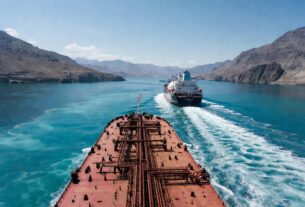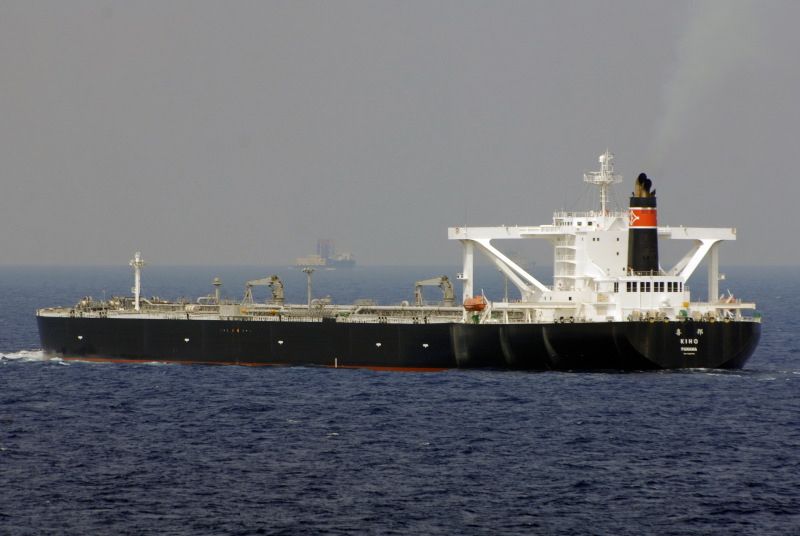
Oil prices fell about 2% on October 15, 2026, after reports that the Trump administration is considering easing sanctions on vessels in the so-called “shadow fleet.” Brent crude futures dropped about $2.28 (2.2%) to around $103.78 a barrel, while WTI fell about $1.34 (1.4%) to roughly $93.75, reversing prior gains. The move reflected hopes that more tanker capacity could ease record freight rates and improve oil flows out of the Persian Gulf, even as attacks on shipping near the Strait of Hormuz, Houthi activity, and Ukrainian strikes on Russian energy infrastructure continued to support prices.Reuters
A U.S. official said the discussions focus on allowing “legal oil”—crude or petroleum products not themselves under U.S. sanctions—to move on previously sanctioned tankers, with companies required to seek Treasury Department approval. The explicit goal is to increase flexibility for Gulf crude and refined products and bring down record-high global freight rates that have made U.S. crude less competitive for Asian refiners. This follows President Trump’s temporary lifting of sanctions on Russian diesel fuel through early April 2027, a step already criticized by Ukrainian President Zelenskyy, European leaders, and some Republicans.Reuters
Why Tanker Rates and Diesel Cracks Matter
Tanker freight rates have reached unprecedented levels. Very Large Crude Carrier (VLCC) earnings have hit $1.3–1.4 million per day on some Middle East–Asia routes, while a single U.S. Gulf-to-Japan voyage has been quoted in the $76–82 million range—roughly ten times pre-conflict levels. Freight can now represent $30–40 per barrel equivalent on long-haul routes, or more than 40% of the delivered cost of some U.S. barrels, versus a historical average near 7%. Inefficient ship-to-ship (STS) transfers outside the Strait of Hormuz, longer routing, war-risk premiums, and the diversion of mainstream tonnage have created a severe capacity crunch.Reuters
These costs feed directly into the physical price of crude delivered to refineries worldwide. At the same time, diesel crack spreads (the margin between diesel and crude) have surged to record or near-record territory—above $100 per barrel in Europe and the U.S. Gulf Coast in recent weeks. Tight middle-distillate inventories, lost refining capacity from conflicts in the Middle East and Ukraine, strong demand, and high freight all contribute. Lowering the delivered cost of crude would, all else equal, help compress those elevated cracks and ease pressure on diesel prices for refiners, shippers, farmers, and consumers.Freedium-mirror
Implications of Easing Shadow Fleet Sanctions
The proposed relief is narrow: it would not automatically legalize Russian or Iranian crude itself. Energy Aspects and industry sources expect only modest effects. Most tankers sanctioned over Russian or Venezuelan links have continued trading actively for months. Many are old (average ages in the high teens to low 20s), poorly maintained, and still constrained by EU and UK rules that bind insurers and other service providers. Any new capacity would likely be limited to a small number of vessels available for Hormuz shuttle runs or specific approved trades rather than a broad reopening of mainstream capacity.Reuters
Politically, the move carries risks. It follows criticism of the Russian diesel waiver and could be seen as further softening pressure on Moscow, Tehran, or Caracas. Environmentally and safety-wise, reintroducing aging, often under-insured vessels into higher-visibility trades raises spill and accident concerns. Commercially, even limited approvals could add marginal flexibility in the Gulf, slightly improve U.S. crude competitiveness, and send a psychological signal that policymakers are prioritizing physical supply over strict enforcement.
Timeline: Like a Python Digesting
Meaningful relief to tanker rates, and therefore to the physical delivered price of crude at refineries, would not be immediate. The process resembles a python digesting a large meal—slow, lumpy, and constrained by physiology rather than a clean, rapid absorption.
Approvals would need to be processed vessel by vessel. Owners or operators would need to secure insurance that still complies with remaining Western rules, reposition vessels from existing shadow routes, and navigate operational realities (maintenance, crew, flag status, and ongoing security risks in the Gulf). Many of these ships are already employed in opaque trades; freeing them for “legal” cargo does not instantly expand the effective global fleet by their full deadweight. STS inefficiencies and attack risks would still tie up tonnage.
Industry assessments suggest any capacity addition would be small and gradual. Initial effects on certain routes could appear within weeks if a handful of vessels are approved and repositioned quickly. Broader pressure on spot rates and the freight component of delivered crude prices would more realistically take one to three months as trade patterns adjust and the market absorbs the incremental tonnage. Significant, sustained compression of diesel crack spreads via cheaper feedstock would likely require several months (potentially three to six) of lower freight, assuming no major new disruptions. Full normalization toward pre-conflict rate levels remains unlikely in the near term given structural tightness from conflicts, longer routes, and fleet demographics.
In short, the “python” of the tanker market digests extra capacity slowly: the meal is large and the digestive tract (regulation, insurance, positioning, and risk) is narrow.
Estimated Shadow Fleet Tankers by Country and Flag
Exact counts vary by definition (individually sanctioned vessels versus the broader “dark” or gray fleet that uses AIS spoofing, opaque ownership, or non-Western insurance). Recent estimates include:
- Clarksons Research: Approximately 1,010 individually sanctioned oil tankers totaling about 121 million dwt—roughly 17% of global oil tanker capacity and 20% of crude tanker capacity (including high shares of Aframax tonnage). Average age of sanctioned tankers is around 21 years versus ~13–14 for the mainstream fleet.Sin.clarksons
- Broader trackers (S&P Global, Windward, Lloyd’s List Intelligence, others): Core shadow/dark fleets often estimated in the 940–1,400+ tanker range, representing 17–18.5% or more of relevant capacity when gray tonnage is included. Some broader sanctioned-vessel lists exceed 1,900–2,000 entries across programs.
- Flag and ownership patterns (Windward, CommodityGraph, KSE Institute, and others): Russia has become the leading flag for many sanctioned tankers (reports of 200–300+ Russia-flagged vessels in dark/shadow counts, with rapid reflagging in 2025–2026). Other common flags include Cameroon, Sierra Leone, Panama, Iran, Equatorial Guinea, Comoros, Gabon, Palau, and Barbados. Ownership and management are frequently linked to entities in China/Hong Kong, Russia, UAE, and various shell jurisdictions. Iran-linked and Venezuela-linked fleets overlap significantly with Russian ones.
These figures shift with new designations, reflagging, and enforcement actions.
Normal Buyers of Sanctioned Oil
China and India have been the primary destinations for shadow-fleet cargoes of Russian, Iranian, and Venezuelan oil.
- China is the dominant buyer of Iranian crude (often via independent “teapot” refiners in Shandong and through STS transfers) and a major importer of Russian and Venezuelan barrels, frequently at discounts. Chinese refiners have increased Russian Urals purchases as Indian volumes fluctuated, and China has used the opportunity to build strategic inventories at below-market prices.
- India has been a leading buyer of Russian seaborne crude (often 1.5–2+ million bpd in peak recent months), with state refiners and private players such as Reliance active. Indian purchases of Venezuelan crude have also resumed or expanded under various conditions, while Iranian volumes have been more limited and sometimes tied to temporary waivers.
- Other destinations include Turkey (for some Russian products) and various smaller or opportunistic buyers, but Asia accounts for the large majority of shadow-fleet volumes. Discounts compensate for sanctions risk, opaque logistics, and payment workarounds (including non-dollar currencies).
Flows remain dynamic and respond to enforcement intensity, price differentials, and temporary waivers.
Conclusion
The reported U.S. consideration of limited shadow-fleet relief is a pragmatic response to extreme freight rates that are inflating the physical cost of crude and supporting high diesel crack spreads. Markets have already priced in some optimism, but analysts expect only modest, gradual capacity addition. Like a python digesting, the tanker system would absorb any incremental “legal” tonnage slowly—constrained by approvals, insurance, vessel condition, and ongoing geopolitical risks. Meaningful easing of delivered crude prices to global refineries, and secondary pressure on diesel cracks, is more likely measured in months than days or weeks. Broader resolution of the underlying conflicts and disruptions would be required for a more substantial and durable reset of rates and product margins.
Check out the World’s Greatest Podcast Show Notes at EnergyNewsBeat.co or EnergyNewsBeat.com. And subscribe to: The Energy News Beat Substack.
Appendix: Sources and Links
- Reuters: “Oil prices slide as US weighs easing sanctions on ‘shadow fleet’” — https://www.reuters.com/business/energy/oil-prices-fall-investors-weigh-supply-outlook-middle-east-tensions-2026-10-15/
- Reuters: “US considers easing sanctions on shadow fleet vessels to cut freight rates, official says” — https://www.reuters.com/legal/government/us-considers-easing-sanctions-shadow-fleet-vessels-cut-freight-rates-official-2026-10-15/
- OilPrice.com / related coverage of the reports and rate environment
- Clarksons Research sanctioned vessels updates (October 2026)
- Windward analyses on dark fleet flags and reflagging (2026)
- Kyiv School of Economics (KSE) Russian Shadow Fleet Trackers
- S&P Global Commodities at Sea / Maritime Intelligence data on shadow fleets
- Reporting on diesel crack spreads (Argus, EIA-derived calculations, market coverage of European and U.S. levels exceeding $100/bbl)
- Kpler and Vortexa tracking on buyers and flows of sanctioned Russian, Iranian, and Venezuelan barrels (China and India as primary destinations)
- Additional context from ING, Poten & Partners, and other freight market notes on record VLCC and overall tanker earnings
All figures are as reported in contemporaneous market and intelligence sources around mid-October 2026 and remain subject to rapid change with new designations, approvals, or conflict developments.