


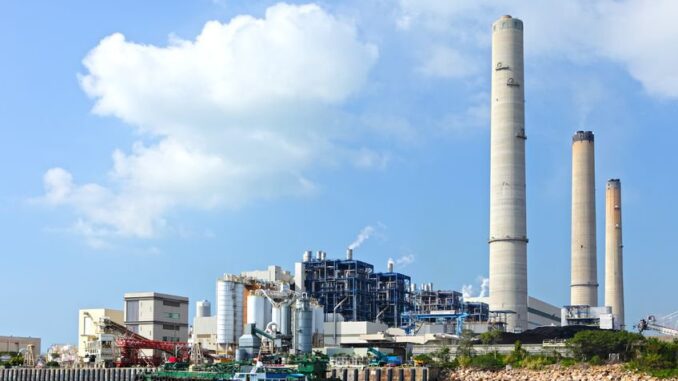
The Tennessee Valley Authority (TVA), the nation’s largest public utility, has made a surprising pivot in its energy plans. Originally set to retire its remaining coal-fired power plants by 2035 as part of efforts to curb greenhouse gas emissions, TVA now prefers to keep two of its largest coal facilities operational beyond their scheduled closure dates.
This decision involves the Kingston Fossil Plant and the Cumberland Fossil Plant in Tennessee, which were slated for shutdown in 2027 and 2028, respectively.
The move comes ahead of a board meeting dominated by members appointed by the coal-friendly Trump administration and reflects broader pressures from surging electricity demand, particularly from data centers and AI operations.
Details on TVA’s Reversal
TVA’s change of heart was outlined in new filings and Supplemental Environmental Impact Statements published quietly on its website, without prior public notification or input opportunities.
Under the revised plan, TVA intends to ditch the firm retirement dates for Kingston and Cumberland while still proceeding with the construction of natural gas-fired plants at both sites. This hybrid approach would allow the coal units to continue running alongside the new gas facilities, potentially adding nearly 4.5 million tons of carbon emissions annually.
The utility cites reliability challenges and economic risks as reasons for the shift. In previous assessments, TVA had acknowledged that prolonged operation of these aging plants could lead to unanticipated maintenance costs and grid instability.
However, recent factors—including rapid regional growth and the energy-intensive needs of emerging technologies—have prompted a reevaluation. Environmental advocates, such as the Southern Environmental Law Center and Sierra Club, have decried the decision as a “bait and switch” that will exacerbate pollution, harm nearby communities, and undermine climate goals.
Critics argue that this reversal breaks TVA’s earlier commitments and could lock in higher long-term costs for ratepayers.
This isn’t the first time TVA has grappled with coal retirements. In 2019, the utility voted to close two other plants despite pressure from then-President Trump to keep them open.
More recently, in August 2025, TVA signaled a broader rethink of its 2035 coal phase-out due to similar demand pressures.
The current decision aligns with a trend among U.S. utilities reversing coal retirements to ensure grid stability amid the clean energy transition.
TVA’s Latest Earnings Report
TVA’s financial performance remains robust, providing context for its operational decisions. For the first quarter of fiscal year 2026 (ending December 31, 2025), the utility reported net income of $266 million, a significant increase from $125 million in the same period the previous year.
Operating revenues reached $3 billion, up 4.4% from $2.9 billion year-over-year, driven by a 4% rise in electricity sales volume.
This growth was attributed to weather-related demand and expanding needs from data processing sectors.
Fuel and purchased power expenses totaled $924 million, a modest $25 million increase from the prior year.
Looking ahead, TVA’s FY 2026 budget projects net income of $266 million, with revenues expected to climb to $12.9 billion and operating expenses at $11.2 billion.
The utility anticipates investing $4.2 billion in new generation and infrastructure, including gas expansions, while aiming to reduce planned cost increases by $950 million through efficiency measures over 2024-2026.
These figures underscore TVA’s financial health, enabling it to navigate the costs of maintaining coal operations.
Impact on Consumers
For the 10 million consumers across seven southeastern states served by TVA, this decision could have mixed implications. On the positive side, keeping the coal plants online may enhance short-term grid reliability and help avoid potential power shortages during peak demand periods, such as extreme weather events or spikes from AI and data center growth. This could stabilize electricity rates in the near term, as coal remains a relatively low-cost fuel source compared to rapid buildouts of alternatives.
However, environmental and health costs loom large. Prolonged coal burning will increase emissions of pollutants like carbon dioxide, sulfur dioxide, and particulate matter, potentially leading to higher incidences of respiratory issues in nearby communities and contributing to climate change impacts like severe weather.
Critics warn that this could translate to higher power bills over time, as TVA absorbs expenses for maintenance on aging infrastructure and possible future regulatory penalties.
In TVA’s own words from prior retirement decisions, extended operations pose “economic and reliability risks” that might ultimately burden ratepayers.
Key Examples of Reversed Retirement Plans
Several major utilities have announced changes to their coal strategies, prioritizing grid reliability over earlier environmental commitments. Here’s a breakdown of notable cases:Southern Company (Georgia): The utility, serving over 9 million customers across 15 states, has delayed the retirement of generators at two of the largest U.S. coal plants—the Bowen Steam Plant and the Robert W. Scherer Power Plant.
Originally set to retire between 2028 and 2035, these units could now operate until as late as 2039, with partial co-firing using natural gas by 2030. This move adds significant capacity but raises concerns about prolonged emissions.
Alliant Energy (Wisconsin): Alliant has postponed the shutdown of the Columbia Energy Center near Madison from 2026 to 2029, citing efforts to attract data center projects.
This is the second delay for the plant, reflecting broader pressures from tech-driven demand.
PacifiCorp (Wyoming): The Dave Johnston Power Plant saw its three coal units’ 2027 retirements canceled, with plans now incorporating carbon capture technology by 2030.
Xcel Energy (Colorado): Xcel delayed the retirement of its Comanche 2 coal plant, originally planned for earlier closure, to address reliability concerns amid growing demand.
Vistra (Illinois): Vistra extended operations at the Baldwin Power Plant in response to reliability issues in the MISO grid region.
Other Regional Delays: In Indiana, the Department of Energy (DOE) ordered two coal-fired plants to remain open past their end-of-2025 retirement dates.
Similarly, in Colorado, the Craig plant received a DOE order to continue operations, marking the fifth such intervention in 2025.
Utilities in states like Illinois (Baldwin, Kincaid, Newton) and Indiana (Schahfer) are also facing EPA proposals to extend closures until 2031, drawing opposition from environmental groups.
Nationwide, planned coal retirements for 2025-2027 have been reduced by 12.6%, from 34.2 GW to 29.9 GW, as operators respond to these pressures.
Of the 11 coal plants slated for retirement in 2025, only two actually shuttered, with one potentially reopening.
Drivers Behind the Reversals
The primary catalysts include:
Exploding Demand from AI and Data Centers: Utilities like Dominion and Alliant have explicitly linked delays to the need to support massive data center expansions, which require reliable, baseload power.
Trump Administration Policies: The DOE has issued emergency orders under Section 202(c) of the Federal Power Act to keep at least five plants online in 2025, with plans to prevent further retirements over the next three years.
Energy Secretary Chris Wright has emphasized stopping “political closures” of coal plants, reviving the National Coal Council to bolster the industry.
Additional regulatory relief, such as exemptions from stricter emissions standards and delays in wastewater rules, has made continued operations more viable.
Reliability and Economic Concerns: Extreme weather events and supply chain issues have highlighted risks in transitioning too quickly, prompting utilities to retain coal for grid stability.
Higher natural gas prices have also improved coal’s competitiveness in some markets.
TVA as an Investment
As a federally owned corporation, TVA doesn’t offer traditional stock but issues bonds that are popular among conservative investors for their stability and government backing. TVA’s bonds are considered low-risk, often yielding competitive rates compared to U.S. Treasuries. The decision to retain coal capacity could bolster investor confidence by signaling a commitment to meeting rising demand and maintaining operational diversity, potentially supporting strong cash flows as evidenced by the recent earnings uptick.That said, environmental risks could pressure TVA’s credit ratings if litigation or stricter regulations arise—several groups have already sued over related gas plant plans.
TVA’s projected $3 billion in net cash from operations in FY 2026 and plans for $3 billion in new borrowings indicate a solid balance sheet, but investors should monitor how extended coal use affects long-term sustainability goals.
Overall, TVA remains an attractive option for fixed-income portfolios focused on utility sector stability.
In summary, TVA’s reluctance to close Kingston and Cumberland represents a pragmatic response to energy realities but at the potential cost of environmental progress. As the utility balances reliability, affordability, and sustainability, stakeholders will watch closely for the board’s final vote and its ripple effects across the Tennessee Valley.
In the opinion of the Energy News Beat team, we have the best Energy Department, with programs and decisions led by Secretary Chris Wright, we have ever had. It is a fact that we would be having rolling blackouts across the United States without his leadership and the efforts of the entire DOE team.
Sources: tva.gov, timesfreepress.com, Energynewsbeat.co
Get your CEO on the podcast: https://sandstoneassetmgmt.com/media/
Is oil and gas right for your portfolio? https://sandstoneassetmgmt.com/invest-in-oil-and-gas/



Be the first to comment