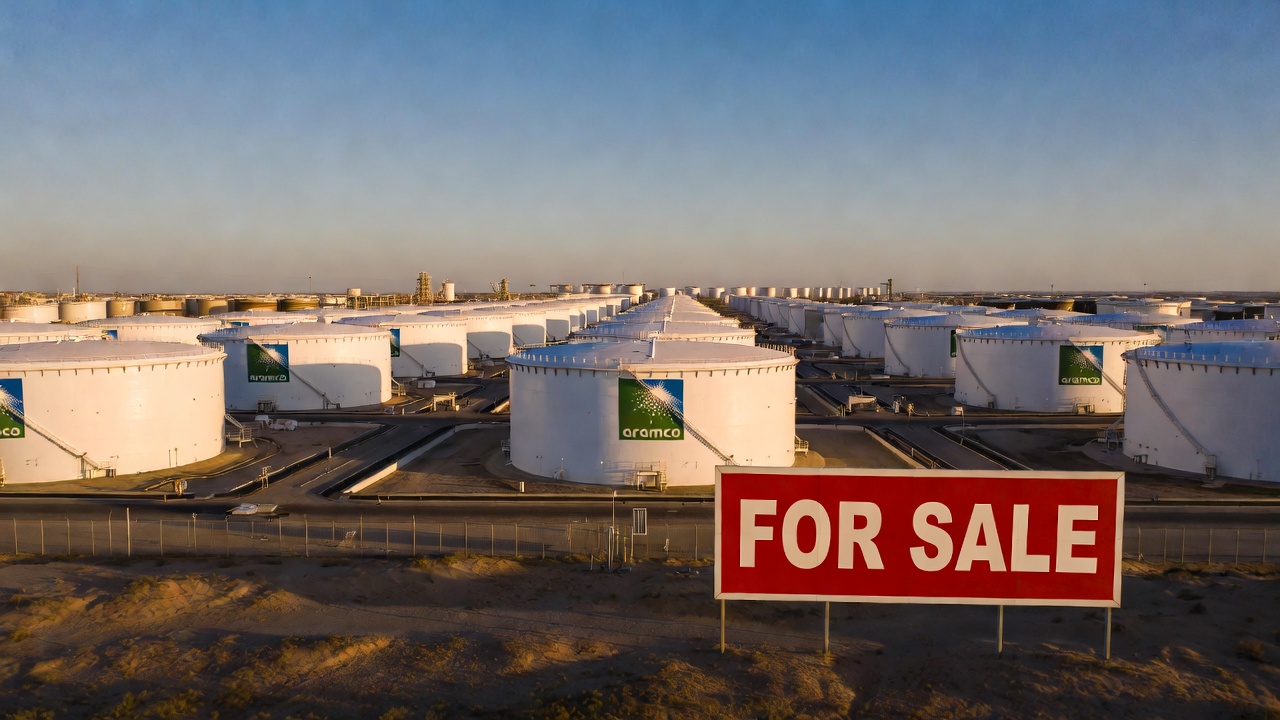
Saudi Aramco, the world’s largest oil producer, is embarking on its most ambitious privatization and asset monetization drive in its 93-year history. The company aims to raise up to $35 billion by opening midstream, downstream, and non-core assets to Wall Street investors through sale-leaseback deals, minority stake sales, and infrastructure partnerships. This move is explicitly designed to strengthen Aramco’s balance sheet, unlock liquidity, and support sustained cash returns to its primary shareholder—the Saudi government—amid regional geopolitical tensions and global oil market volatility.
The catalyst for the accelerated push came shortly after a landmark $11 billion lease-and-leaseback agreement for Aramco’s Jafurah natural gas processing facilities. A consortium led by BlackRock’s Global Infrastructure Partners (GIP)—with Aramco retaining a 51% majority stake in the new Jafurah Midstream Gas Company—closed the deal in late 2025. That transaction triggered a flood of inbound interest from global funds eager for high-yielding energy infrastructure assets.
BlackRock’s GIP has emerged as the marquee player, demonstrating the appeal of Aramco’s stable, long-term cash-flow assets to sophisticated infrastructure investors. Additional deals now in the pipeline include:A sale-and-leaseback of real estate assets potentially worth more than $10 billion, including the sprawling Dhahran headquarters campus and residential communities in the Eastern Province.
Minority stakes in oil export and storage terminals (including facilities at Ras Tanura and Red Sea ports, plus international terminals in the Netherlands, Egypt, and Japan). Citigroup has been selected to advise on this process.
Gas-fired power plants and water infrastructure businesses.
Aramco executives have signaled they will retain full operational control of core upstream (exploration and production) assets while monetizing midstream and downstream infrastructure. Bankers familiar with the plans describe this as a “lucrative pipeline” for private equity and infrastructure funds, even against the backdrop of regional conflict.
Who Are the Major Players and Who Should Investors Watch?
BlackRock / GIP: The clear frontrunner after the Jafurah success. Their model—long-term leases with no volume restrictions on Aramco—sets the template for future deals.
Global infrastructure and real estate funds: Expect participation from peers of GIP, as well as U.S. and European players experienced in energy midstream (pipelines, terminals, power).
Wall Street advisors: Citigroup (terminals), plus other major banks pitching structured finance and sale-leaseback solutions.
Saudi-listed entities and local partners: Aramco has precedent in listing subsidiaries on the Tadawul exchange and forming JVs.
Investors should closely monitor:
BlackRock and other listed infrastructure funds for direct exposure.
Aramco’s own balance-sheet health and dividend policy—stronger cash flows from asset optimization could support continued high payouts.
Broader Saudi privatization pipeline under the National Privatization Strategy (launched January 2026), which targets over $64 billion in private capital via 220+ public-private partnership (PPP) contracts by 2030.
Is Saudi Arabia Learning from U.S. Systems?
Absolutely. The playbook—sale-leasebacks of infrastructure, creation of asset-specific vehicles for long-term leases, and tapping dedicated global infrastructure funds—mirrors mature U.S. energy and midstream markets. American master limited partnerships (MLPs), REIT-style structures, and funds managed by Blackstone, KKR, and BlackRock have long monetized pipelines, storage, and power assets while operators retain control. Aramco is now importing this financial engineering to optimize its capital structure without diluting upstream ownership. This represents a sophisticated evolution of the kingdom’s earlier privatization efforts under Vision 2030.
What Does This Mean for Saudi Government Budgets?
Aramco remains the financial backbone of Saudi Arabia. Its dividends, taxes, and royalties fund the vast majority of government revenue. Recent budgets (2026 projections show revenues around SAR 1.15 trillion) rely heavily on these flows to finance Vision 2030’s ambitious social programs, infrastructure megaprojects (NEOM, Red Sea, Qiddiya), and citizen welfare initiatives.
By shoring up Aramco’s balance sheet through asset monetization, the company can preserve—or even grow—its capacity to pay substantial dividends even if oil prices soften. Analysts note this is “maximizing access to liquidity for Aramco and its sovereign shareholder.”
Recent Q1 2026 results showed net income of approximately $32 billion (up >25% year-on-year), but proactive capital recycling reduces future reliance on volatile crude revenue.
Precursor to Lower Oil Prices While Supporting Social Spending?
Yes—this appears to be prudent preparation. Regional conflict, rerouting of exports, and global market uncertainty have highlighted the need for diversified funding sources. The kingdom has faced FDI shortfalls (well below the $100 billion annual target) and occasional dividend normalization pressure.
By turning pipelines, terminals, power plants, and real estate into investable financial assets, Aramco and the Saudi government create non-oil revenue streams and attract foreign capital. This buffers the budget against lower oil prices while keeping Vision 2030’s social and economic diversification programs on track—exactly the resilience the Crown Prince’s reform agenda requires.In short, Aramco is not just selling assets; it is professionalizing its capital allocation, importing best-in-class Western financial techniques, and positioning both itself and the Saudi state for a future where oil remains vital but no longer singular.
Appendix: All Sources and Links
- Bloomberg / Financial Post: “Aramco Cracks Open Its Empire to Wall Street in $35 Billion Push” (May 15, 2026) – https://financialpost.com/pmn/business-pmn/aramco-cracks-open-its-empire-to-wall-street-in-35-billion-push
- Aramco Official: Jafurah Midstream Deal Closure – https://www.aramco.com/en/news-media/news/2025/aramco-closes-jafurah-midstream-deal-with-international-consortium
- OilPrice.com: “Saudi Aramco Looks to Raise $10 Billion from Real Estate Asset Deal” (May 13, 2026) – https://oilprice.com/Latest-Energy-News/World-News/Saudi-Aramco-Looks-to-Raise-10-Billion-from-Real-Estate-Asset-Deal.amp.html
- Offshore Technology: Citigroup advising on terminal stake sale (Nov 2025)
- Saudi Vision 2030 & National Privatization Strategy documents (2026)
- Saudi Ministry of Finance Budget Statements 2025–2026
- Additional context from Reuters, Bloomberg archives on prior asset rationalization
Energy News Beat will continue to monitor deal announcements and their impact on global energy markets and Saudi economic diversification.