

As of April 20, 2026, U.S.-Iran negotiations remain in a state of high-stakes uncertainty. No final round of talks has been formally confirmed for this week, despite President Trump’s repeated statements that a deal is “very close” and that Iran has signaled willingness to suspend its nuclear program indefinitely in exchange for sanctions relief and normalized oil exports.
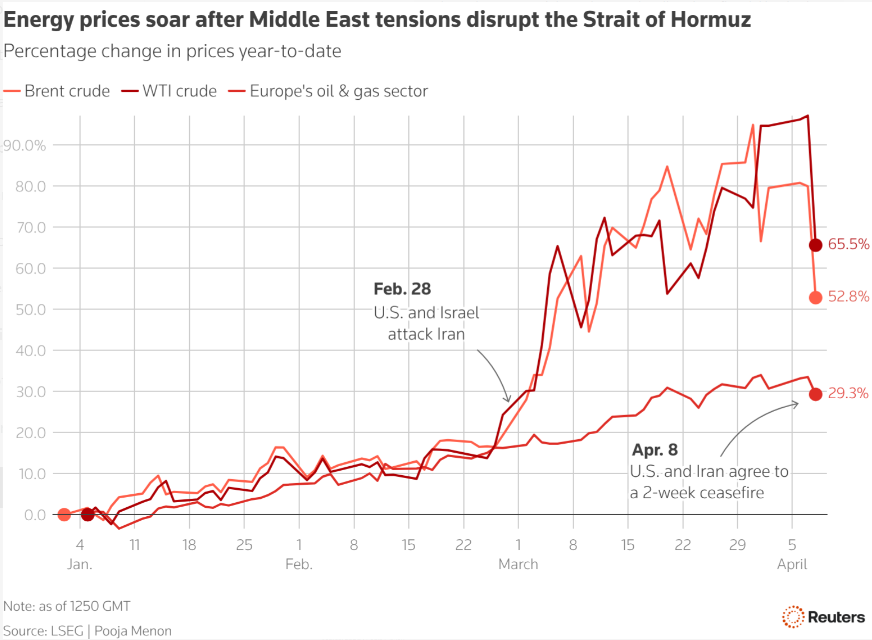
A fragile ceasefire, already strained by reports of renewed incidents in the Strait of Hormuz, hangs in the balance. If talks collapse—or are formally canceled—the immediate risk is a return to full blockade conditions, with Iran once again restricting or halting the roughly 20 million barrels per day (bpd) of oil and LNG that normally transit the strait.
Trump Administration Position: “No Pressure,” But Clear Red Lines
President Trump has been explicit. In recent statements, he has said Iran “wants to make a deal” and that the U.S. is “very close” to an agreement that would reopen the strait permanently and deliver “free oil” for the global market. However, he has also warned that a ceasefire extension is “highly unlikely” without a deal by mid-week deadlines, and that failure would mean resumed military action, continued U.S. blockade of Iranian ports, and potential strikes on Iranian infrastructure.
Trump has repeatedly emphasized: no nuclear weapon for Iran, no blackmail via the strait, and that the U.S. is under “no pressure” to rush a bad agreement. Vice President Vance and envoys are engaged in back-channel efforts in Islamabad, but Tehran has pushed back on U.S. demands for a 20-year enrichment suspension and full dismantlement of key facilities.
Oil Traders and Financial Institutions: Watching the Clock on the Strait
Oil markets are trading on diplomacy headlines rather than physical fundamentals right now—but the physical reality is tightening fast. The last pre-closure tankers are expected to reach their destinations around April 20–22. After that point, the global supply chain faces a structural gap of 13–20 million bpd if the strait remains effectively closed.
Key trader and analyst views if the Strait does not reopen within the next week:
- Goldman Sachs and other major banks warn of immediate shortages in Asia (naphtha, LPG, fuel oil), with Brent potentially averaging above $100 for 2026 if closure extends another month.
- Commerzbank and Enverus analysts note that every additional month of closure could add $10–15/bbl to prices.
- Physical traders (Sparta Commodities, Kpler) highlight that even if the strait reopens, it will take weeks to months to reload stranded tankers, restart Gulf production, and clear floating storage—meaning elevated prices and volatility persist into Q3.
- Current prices (as of April 20 close): Brent ~$94–95.50/bbl, WTI ~$87–89.60/bbl after Friday’s plunge on “open strait” headlines, followed by today’s rebound on renewed closure fears.
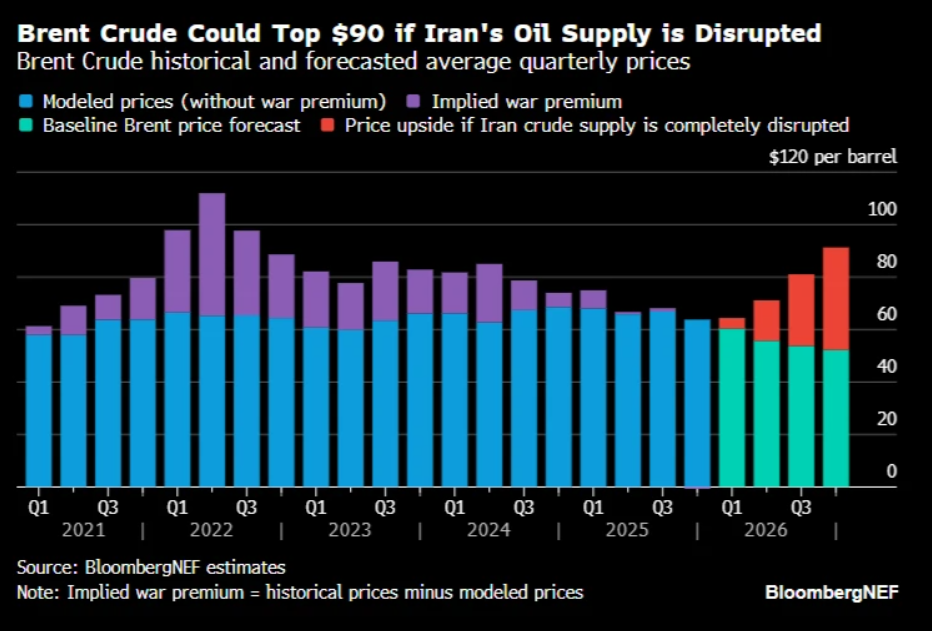
In short, traders are short-term bullish on headlines but long-term concerned about the physical market. A canceled talks scenario would likely send Brent back above $110–120 quickly, with risk of $150+ in a worst-case prolonged blockade.
Global Strategic Reserves: A Temporary Buffer, Not a Permanent Fix
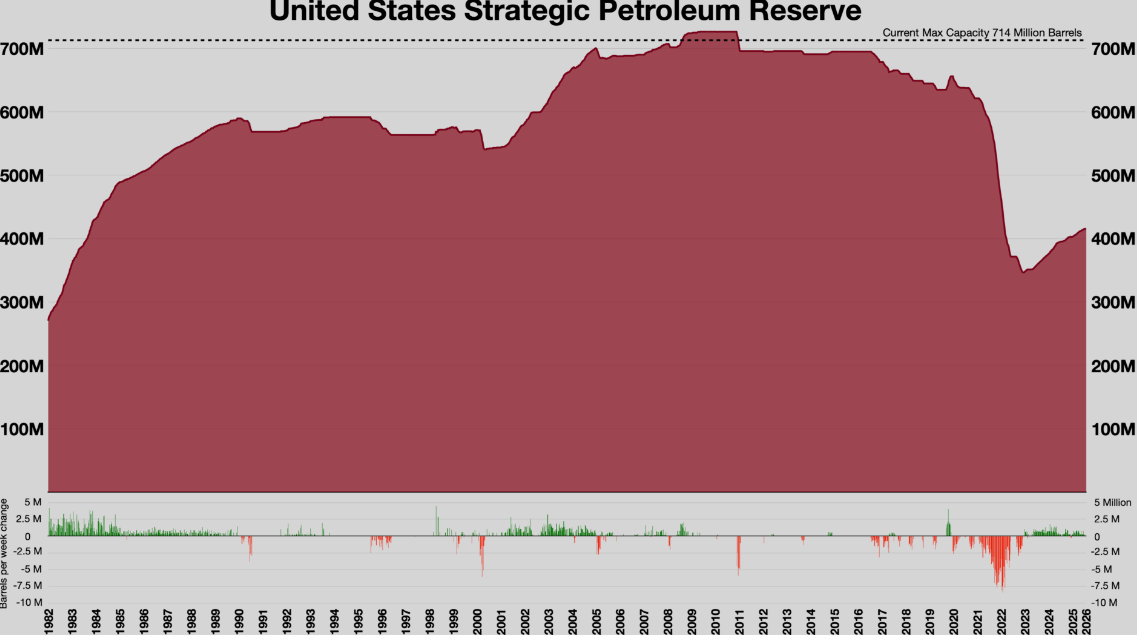
In March 2026, the IEA coordinated the largest-ever release of 400 million barrels from member strategic stockpiles (U.S. contributed 172 million barrels, or ~43% of the total). This was designed to offset roughly 20–30 days of full Hormuz disruption.
Current status (April 2026): U.S. SPR stands at approximately 409–411 million barrels (down from ~415 million pre-release).
IEA member emergency stocks have been drawn down by roughly one-third.
How long will remaining reserves hold prices down?
At a full 20 million bpd Hormuz loss, the original 400-million-barrel release equated to only ~20 days of cover. Remaining global strategic stocks (roughly 800 million barrels post-release across IEA members) could theoretically bridge 40–60 days at maximum draw rates—but real-world release pacing, logistics, and the fact that stocks include both crude and products mean the effective buffer is closer to 3–6 weeks before meaningful depletion forces prices higher. Analysts across Goldman Sachs, IEA reports, and independent consultants agree: reserves buy time but cannot substitute for reopened sea lanes. Prolonged closure beyond late April/early May would overwhelm the buffer.
Bottom Line for Energy Markets
A cancellation of Iran talks would likely trigger an immediate return to blockade conditions, renewed tanker attacks or mine threats, and a sharp re-pricing of oil risk. Prices would spike, global growth forecasts would be cut further (the IMF has already revised 2026 global growth down), and inflation pressures would re-emerge. The IEA SPR release has provided a short-term cushion, but it is finite—and the physical market is already signaling exhaustion of pre-crisis inventories.
The market will remain volatile, and the beatings will continue until morale improves. As they say, as a joke. But seriously, the price will eventually catch up to physical delivery prices, and then fall back after demand destruction kicks in from high prices.
Energy News Beat will continue to monitor developments in real time. A successful deal could see Brent fall back toward $80–85/bbl as flows normalize; failure keeps the market in $100+ territory for months.
All links accessed April 20, 2026.
- CNBC: “Iran war ‘very close to over’: Trump says Iran wants a deal” – https://www.cnbc.com/2026/04/15/iran-war-trump-peace-deal-us-talks-stock-market-oil-prices-.html
- Al Jazeera: “What has Trump said before possible US-Iran talks” – https://www.aljazeera.com/news/2026/4/17/what-has-trump-said-ahead-of-possible-us-iran-talks-and-what-could-it-mean
- Bloomberg/YouTube: Trump on ceasefire extension – https://www.youtube.com/watch?v=V1wcvJktSwM
- Wikipedia: 2025–2026 Iran–United States negotiations – https://en.wikipedia.org/wiki/2025%E2%80%932026_Iran%E2%80%93United_States_negotiations
- Reuters: Trump says Iran wants to make a deal – https://www.reuters.com/world/middle-east/trump-says-iran-wants-make-deal-2026-04-13/
- Fortune: Iran and White House on Strait status – https://fortune.com/2026/04/17/iran-white-house-strait-of-hormuz-completely-open-but-definitely-remains-closed/
- CNBC: Oil prices if Hormuz stays shut – https://www.cnbc.com/2026/03/28/oil-gas-prices-iran-war-hormuz.html
- NPR: Economic implications of prolonged closure – https://www.npr.org/2026/04/01/nx-s1-5770140/how-long-the-strait-of-hormuz-stays-closed-will-have-major-economic-implications
- Wikipedia: 2026 Strait of Hormuz crisis – https://en.wikipedia.org/wiki/2026_Strait_of_Hormuz_crisis
- CNBC: Biggest SPR release in history – https://www.cnbc.com/2026/03/14/iran-war-iea-oil-stockpile-spr-strait-hormuz.html
- IEA Oil Market Report – April 2026 – https://www.iea.org/reports/oil-market-report-april-2026
- EIA: Weekly U.S. SPR Stocks – https://www.eia.gov/dnav/pet/hist/LeafHandler.ashx?n=PET&s=WCSSTUS1&f=W
- Rigzone: Crude surges on renewed Hormuz fears (April 20, 2026) – https://www.rigzone.com/news/wire/crude_surges_on_renewed_hormuz_fears-20-apr-2026-183492-article/
- Goldman Sachs warnings via Yahoo Finance – https://finance.yahoo.com/news/goldman-sachs-warning-on-strait-hormuz-countries-could-face-oil-shortages-121952347.html
Additional charts sourced from Reuters, Wikipedia/EIA, Al Jazeera, and BloombergNEF. Full IEA and EIA data available via official sites. Energy News Beat – At the intersection of energy and finance. Stay tuned for updates.