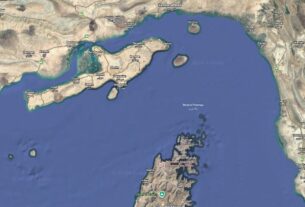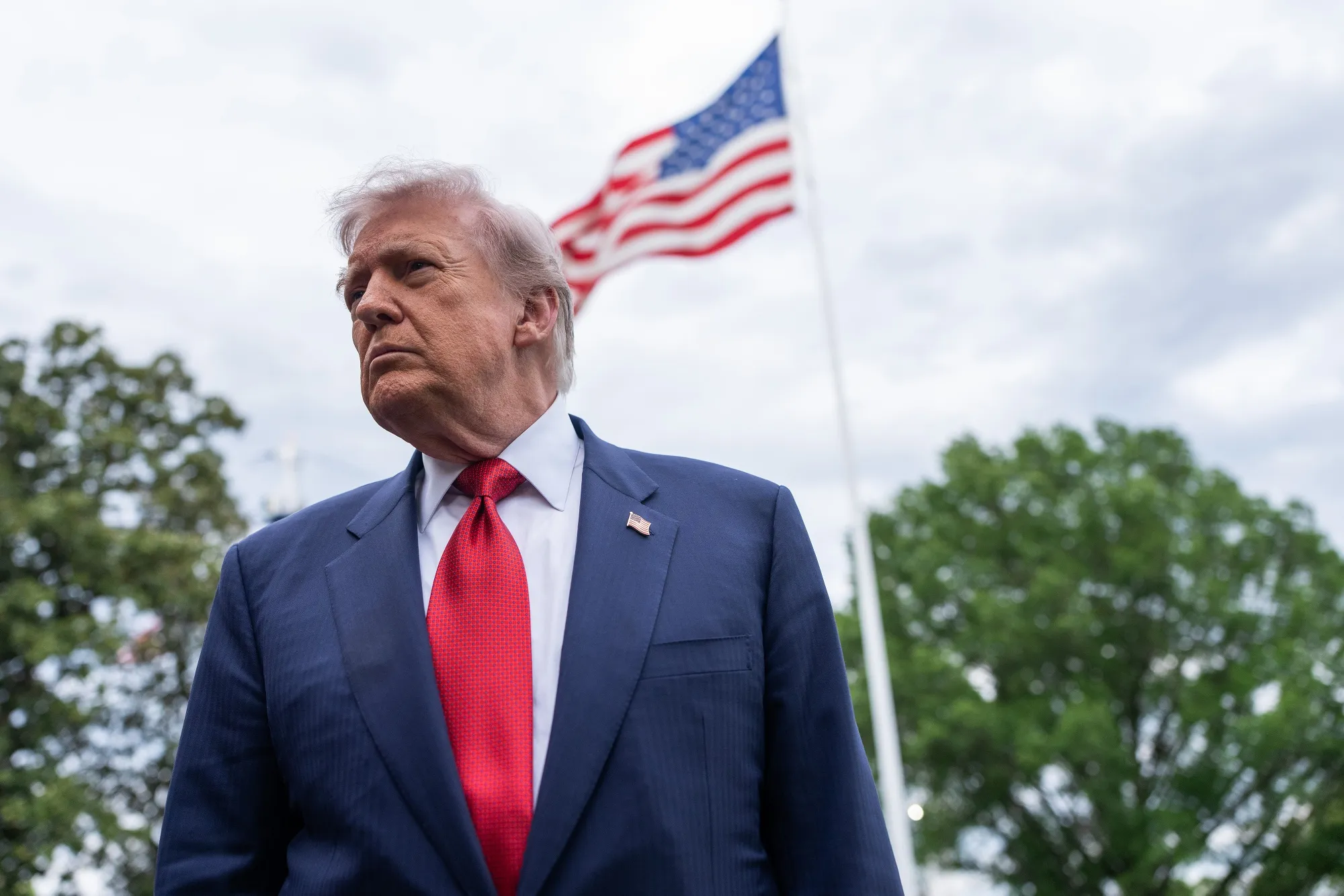
In a sharp rebuke that underscores the Trump administration’s “maximum pressure” doctrine, President Donald Trump has rejected Iran’s latest peace proposal as “totally unacceptable,” signaling that backchannel talks remain deadlocked and energy markets could face renewed volatility. The rejection comes amid a fragile ceasefire that has held since early April 2026 but is now strained by ongoing disputes over the Strait of Hormuz—the chokepoint carrying roughly one-fifth of global seaborne oil and LNG—and Iran’s nuclear program.
Iran transmitted its 14-point counterproposal through Pakistani mediators earlier this week. The plan called for a permanent end to hostilities with the United States and Israel within 30 days, the lifting of the U.S. naval blockade on Iranian ports, the release of frozen Iranian assets, and the reopening of the Strait of Hormuz to commercial shipping. Nuclear discussions were deferred or tied to a proposed 15-year enrichment freeze in some versions of the offer. Trump, speaking to reporters and in social media posts, made clear the terms fell far short of U.S. demands. “It’s not acceptable to me. I’ve studied it, I’ve studied everything — it’s not acceptable,” he stated, adding that Tehran “has not yet paid a big enough price for what they have done to Humanity, and the World, over the last 47 years.”
As of Sunday evening, May 10, Iran submitted a response to the latest U.S. 14-point framework (which reportedly demands a multi-year moratorium on uranium enrichment, surrender of enriched uranium stockpiles, limits on missile programs and proxy support, and verifiable reopening of the Strait). Trump immediately labeled the Iranian reply “totally unacceptable,” keeping the door open to further talks while warning of forceful consequences if Iran interferes with safe maritime operations.
Trump Administration Next Steps
U.S. officials have outlined a dual-track approach: sustained diplomatic pressure paired with concrete energy-security measures. The administration is preparing to implement “Project Freedom” — a plan to guide commercial vessels safely through the Strait of Hormuz under U.S. naval oversight — initially announced and then paused to allow negotiations to continue. Backchannel discussions via Pakistan remain active, with the goal of securing a short-term 30-day extension of the ceasefire that would reopen the strait while deferring final nuclear and sanctions-relief details.
President Trump and his envoys have repeatedly emphasized that any lasting deal must include verifiable curbs on Iran’s nuclear program, an end to support for proxy militias (Hezbollah, Houthis, and others), and the dismantling of shadow-fleet tanker operations that have allowed Iran to evade sanctions. Secondary sanctions on buyers of Iranian oil and petrochemicals remain a live threat. The White House has made clear that failure to reach an acceptable agreement could trigger resumed targeted strikes on Iranian military and energy infrastructure.
Energy Markets and the Venezuelan-Style Solution
The standoff has direct and immediate implications for global oil and gas flows. Iran’s blockade actions, tanker seizures, and reported oil slicks near Kharg Island have already tightened supplies and driven price volatility, with Brent crude testing higher levels amid fears of renewed disruption. Iran’s oil exports — historically 1.5–2.1 million barrels per day, much of it sold at deep discounts to China via dark-fleet tankers — have been a key revenue source for the regime and its proxies.
Energy News Beat host Stu Turley has been vocal on the podcast about the need for decisive action on this front. In recent episodes and the Substack post “The Venezuelan Financial Controls are Moving to Iran Next,” Turley argues that the Trump administration should apply the same Treasury-led financial controls recently imposed on Venezuelan oil sales to Iranian hydrocarbons. Under this model, U.S.-overseen accounts would direct revenues away from the Islamic Revolutionary Guard Corps (IRGC) and proxy fighters, ensuring that oil and gas proceeds go toward the needs of the Iranian people and national rebuilding rather than terrorism financing.
Turley stated: “The Venezuelan Financial Controls are Moving to Iran Next — and this will help end the war, and give the Iranian people more control. Over 2 billion dollars a year will not be going to proxy fighters, and that could go right into the Iranian people’s interests. Improving their country.” He emphasized that these controls would dismantle funding streams to groups like the Houthis, cut reliance on shadow fleets, pressure adversarial actors toward peace, and align global oil markets more closely with traditional producers such as Saudi Arabia and OPEC.
By severing the financial lifelines that have bankrolled proxy wars while protecting legitimate Iranian civilian needs, such a framework could deliver the leverage necessary to break the current impasse and stabilize energy markets long-term.
Outlook
With both sides dug in, the coming days will be critical. A short-term maritime truce could ease immediate pressure on oil prices and global supply chains, but durable peace hinges on nuclear concessions and verifiable controls on Iran’s energy revenues.
Energy News Beat will continue monitoring developments from the Strait of Hormuz and their ripple effects across oil, gas, and LNG markets.
- Al Jazeera: Trump expresses doubt that Iran’s peace proposal is ‘acceptable’ (May 3, 2026) – https://www.aljazeera.com/news/2026/5/3/trump-reviews-iranian-peace-proposal-warns-strikes-could-resume
- Kan News / Iran International: Trump says Iran’s new proposal ‘not acceptable’ (May 3, 2026) – https://www.iranintl.com/en/202605030359
- The Times of Israel: Trump: Latest Iran terms unacceptable; US on Monday to start guiding ships out of Hormuz – https://www.timesofisrael.com/trump-said-to-nix-iran-plan-that-aimed-to-end-war-in-month-defer-nuclear-issue/
- BBC: Iran says US has responded to its latest peace proposal (recent) – https://www.bbc.com/news/articles/cn0px2x53k2o
- Energy News Beat Substack: “The Venezuelan Financial Controls are Moving to Iran Next” – https://theenergynewsbeat.substack.com/p/the-venezuelan-financial-controls
- Energy News Beat Stand-Up Podcast (Strait of Hormuz reporting) – https://energynewsbeat.co/energy-news-beat-sand-up/reporting-from-the-strait-of-hormuz-energy-news-beat-stand-up/
- Additional reporting from Jerusalem Post, New York Times, Reuters, and Wikipedia timeline of 2025–2026 negotiations (for context).
- X posts confirming latest “totally unacceptable” statement (May 10, 2026).
Energy News Beat – At the intersection of energy and finance. Stay tuned for daily podcast updates with Stu Turley.