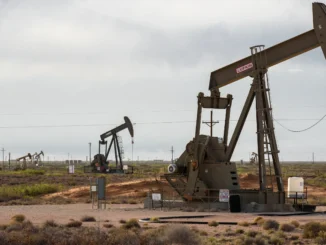
In a landmark move shaking up the U.S. shale industry, Devon Energy Corporation (NYSE: DVN) and Coterra Energy Inc. (NYSE: CTRA) have announced an all-stock merger valued at approximately $58 billion in combined enterprise value. The deal, unveiled on February 2, 2026, aims to forge a premier shale operator with enhanced scale, diversified assets, and significant cost synergies. This consolidation continues the wave of mega-mergers in the energy sector, as companies seek to bolster efficiency amid fluctuating commodity prices and rising operational costs.
For investors tuned into the Energy News Beat, this merger presents both opportunities and risks worth dissecting.
Deal Details
Under the terms of the agreement, Coterra shareholders will receive 0.70 shares of Devon common stock for each share of Coterra they own. Upon closing—expected in the second quarter of 2026, pending regulatory and shareholder approvals—Devon shareholders will hold about 54% of the combined entity, while Coterra shareholders will own the remaining 46% on a fully diluted basis.
The merged company will retain the Devon Energy name and relocate its headquarters to Houston, Texas, while maintaining a substantial operational presence in Oklahoma City.
The transaction is projected to deliver $1 billion in annual pre-tax synergies by the end of 2027, primarily through operational efficiencies, technology integration, and optimized capital allocation.
Pro-forma production for the third quarter of 2025 is estimated to exceed 1.6 million barrels of oil equivalent per day (boe/d), positioning the new Devon as one of the largest independent producers in the U.S. shale patch.
Devon Energy’s Drilling AssetsDevon Energy, historically rooted in Oklahoma, operates across several key U.S. basins, focusing on oil-rich plays with a mix of liquids and natural gas. Its core assets include:
Delaware Basin: Spanning West Texas and Southeast New Mexico, this is Devon’s flagship area in the Permian Basin, known for high-margin oil production and multi-zone development opportunities.
Eagle Ford Shale: Located in South Texas, this basin contributes significant oil and condensate volumes, with efficient drilling programs.
Anadarko Basin: Centered in Western Oklahoma, it offers a balance of oil, natural gas liquids (NGLs), and dry gas.
Powder River Basin: In Northeast Wyoming, this area targets oil-prone formations like the Turner and Parkman sands.
Williston Basin: Encompassing North Dakota and Montana (Bakken/Three Forks plays), it provides robust oil output with established infrastructure.
These assets underscore Devon’s multi-basin strategy, emphasizing cost control and high-return inventory.
Coterra Energy’s Drilling Assets
Coterra Energy, formed from the 2021 merger of Cimarex Energy and Cabot Oil & Gas, brings a complementary portfolio blending oil and natural gas assets. Its operations are concentrated in three primary regions:
Permian Basin (Delaware Basin): In West Texas and New Mexico, adjacent to Devon’s holdings, focusing on oil and liquids-rich development.
Marcellus Shale: In Northeast Pennsylvania, this is a powerhouse for low-cost natural gas production, with vast reserves and access to East Coast markets.
Anadarko Basin: In Oklahoma, providing additional oil and gas exposure with overlapping potential synergies with Devon’s assets in the same area.
Coterra’s Marcellus position adds a strong natural gas component, diversifying the combined entity’s commodity mix.
The Combined Entity: A Shale Powerhouse
The merger creates a geographically diverse giant with dominant positions in the Permian (Delaware Basin), where overlapping assets could drive immediate efficiencies. The Anadarko Basin overlap offers further cost savings through shared infrastructure and drilling optimization. Devon’s oil-focused plays in the Eagle Ford, Powder River, and Williston will pair with Coterra’s gas-heavy Marcellus, providing a hedge against price volatility—oil for upside in crude rallies, gas for stability in heating and power demand.
This scale-up echoes recent consolidations like ExxonMobil’s acquisition of Pioneer Natural Resources, aiming to lower breakeven costs and extend high-quality inventory life. The new Devon will boast a deeper well inventory, improved bargaining power with service providers, and enhanced technological capabilities for fracking and reservoir management.
What This Means for Investors
For investors, this merger is a double-edged sword in a market grappling with sub-$70 WTI crude and natural gas prices hovering near multi-year lows. Here’s a balanced analysis:
Potential Upsides
Accretion and Cash Flow Boost: The $1 billion in synergies are expected to enhance free cash flow per share, making the deal accretive to key metrics like net asset value and dividends.
Both companies have shareholder-friendly policies with variable dividends tied to cash flow—post-merger, this could translate to higher payouts if synergies materialize.
Scale and Efficiency: In a maturing shale industry facing rising costs (e.g., from inflation in labor and materials), larger entities like the new Devon can spread fixed costs over more production, improving capital efficiency.
Analysts see this as a strategic response to a “shifted shale cost curve,” where breakevens have risen, favoring consolidated players.
Diversification: Combining oil-dominant Devon with gas-rich Coterra reduces exposure to single-commodity swings. The Marcellus adds low-cost gas assets, potentially benefiting from LNG export growth or winter demand spikes.
Long-Term Value: With a $58 billion enterprise value, the merged firm gains better access to capital markets and could attract more institutional investors seeking exposure to resilient shale operators.
Risks and Considerations
Market Reaction and Dilution: Shares of both companies dipped on announcement day—Devon down about 2.4% and Coterra 2.5% in premarket—reflecting investor skepticism over all-stock deals, which can dilute existing holders.
Acquiring companies often face short-term pressure as markets digest the premium paid (implied here at a slight discount for Coterra shares).
Integration Challenges: Merging cultures, technologies, and operations isn’t seamless. Delays in realizing synergies could weigh on performance, especially if commodity prices weaken further.
Commodity and Regulatory Risks: Shale’s fortunes tie to global oil/gas dynamics—OPEC cuts, geopolitical tensions, or a recession could cap upside. Antitrust scrutiny from the FTC, amid recent merger blocks, adds uncertainty.
Balance Sheet and Debt: While the all-stock structure avoids new debt, the combined entity must manage existing obligations in a high-interest environment, potentially limiting buybacks or acquisitions.
Overall, this merger positions the new Devon as a more formidable player, likely rewarding patient investors if energy markets stabilize. However, in the near term, volatility could persist as details unfold. For those holding DVN or CTRA, the 54/46 split offers balanced exposure, but diversification across energy subsectors remains prudent.
Stay tuned to The Energy News Beat for updates on this evolving story, including regulatory hurdles and Q1 earnings insights. As always, consult financial advisors for personalized investment advice.
Sources: morningstar.com, simplywall.st, cnbc.com
Get your CEO on the podcast: https://sandstoneassetmgmt.com/media/
Is oil and gas right for your portfolio? https://sandstoneassetmgmt.com/invest-in-oil-and-gas/