How has OPEC’s production pre-war and current output under stress?

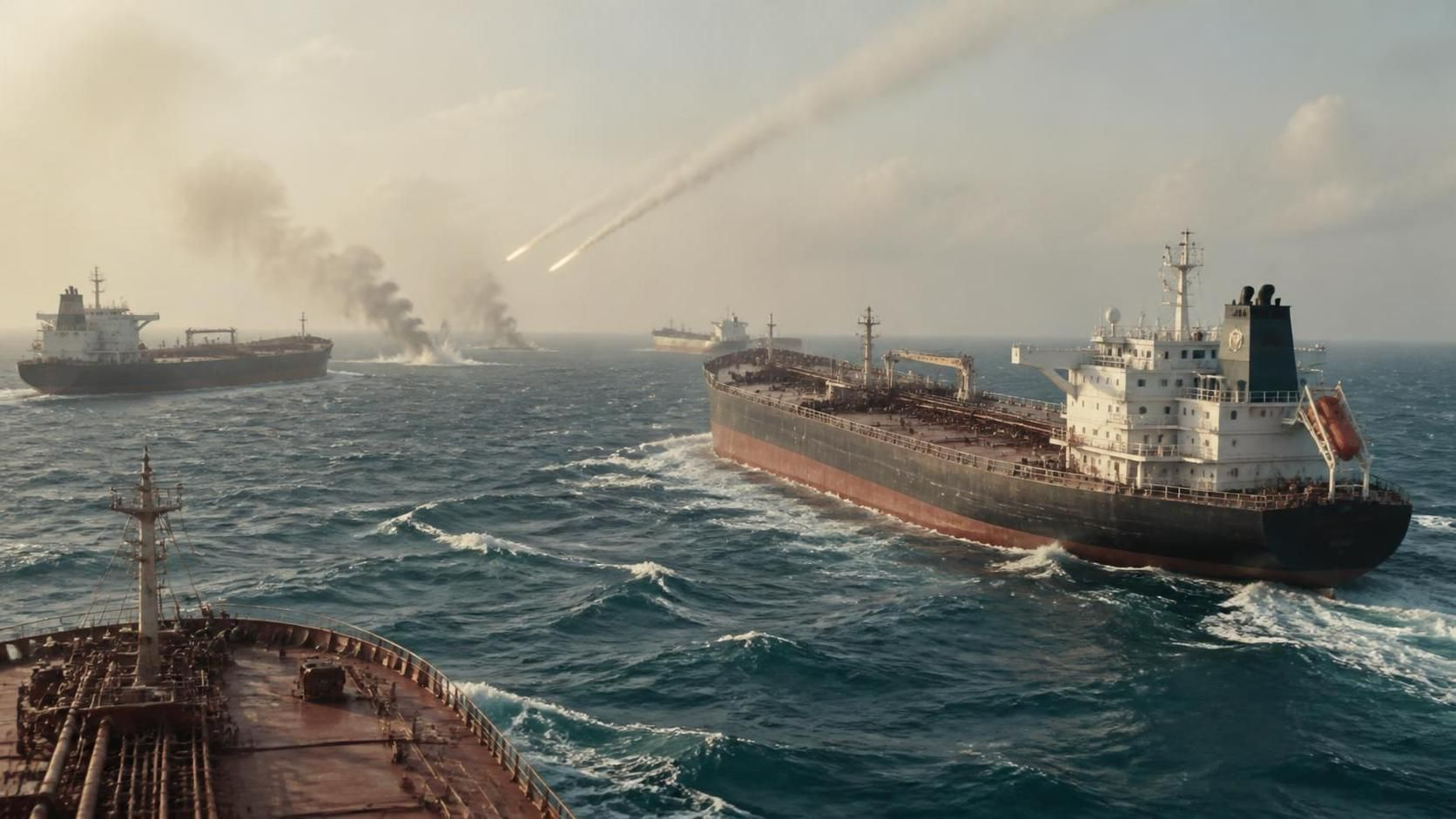
The Iran war that began around February 28, 2026, with U.S.-Israeli strikes and subsequent Iranian responses, has reshaped OPEC+ crude production and, more sharply, refined product exports. Pre-war levels (roughly February 2026) represented a relatively stable baseline after earlier OPEC+ quota management. Current output remains under significant stress from Strait of Hormuz disruptions, infrastructure attacks, […]

Continue Reading
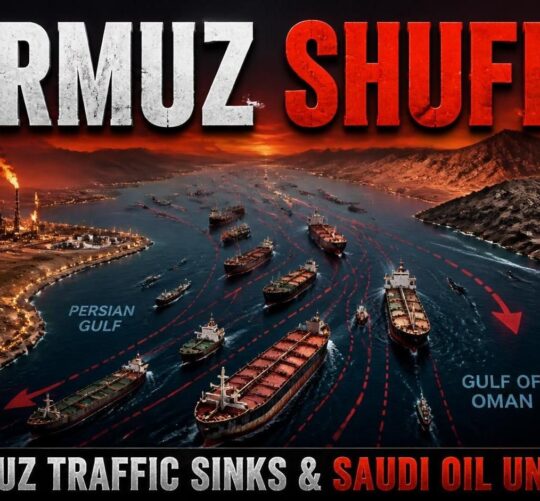
WTI has crossed $100 as the market begins to price the scenario Goldman Sachs flagged months ago: not just a constrained Strait of Hormuz, but a simultaneous threat to the Red Sea exit that Saudi Arabia has used as its remaining seaborne outlet.

Brent settled above $101 on Wednesday, September 9, and WTI followed through the $100 level on Thursday morning in a sharp rally. Physical benchmarks had already been there. Dated Brent has held above $100 since September 3. Murban, DME Oman, the OPEC basket, and the Indian basket were already trading over that threshold. Futures are […]

Continue Reading

3 VLCCs Traverse the Strait of Hormuz

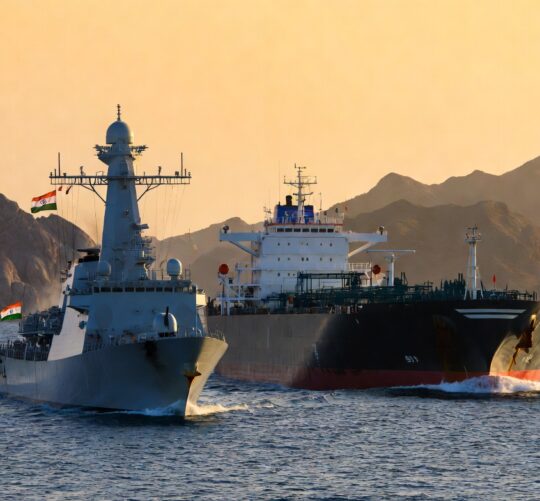
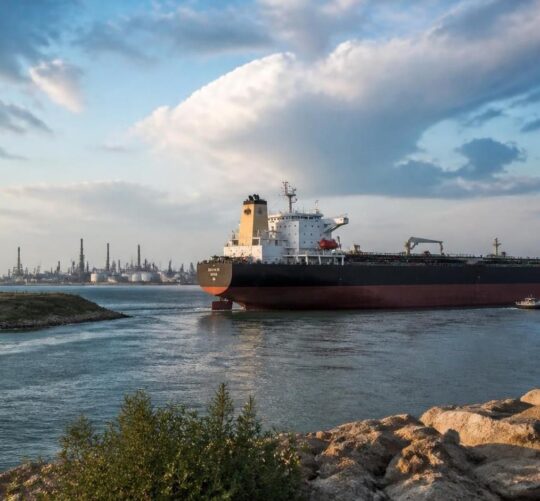
Three Very Large Crude Carriers (VLCCs) carrying a combined roughly 6 million barrels of crude oil slipped out of the Persian Gulf through the Strait of Hormuz in the past 24 hours, according to ship-tracking data compiled by Bloomberg. The vessels began transmitting automated position (AIS) signals as they entered the Gulf of Oman on […]

Continue Reading

Goldman Sachs: New Pipelines Could Divert 45% of Strait of Hormuz Oil by 2027 and 60% by 2028 — Iran’s Oil Leverage Nears Irrelevance

The Strait of Hormuz, the world’s most critical oil chokepoint carrying roughly 20% of global oil trade (around 20–21 million barrels per day pre-disruptions), is rapidly losing its stranglehold. According to Goldman Sachs analyst Alexandra Paulus, pipeline projects across the Gulf are on track to divert up to 45% of pre-war Persian Gulf oil exports […]

Continue Reading