Tensions in the Strait of Hormuz escalated sharply this week with two reported attacks on commercial vessels, underscoring the vulnerability of one of the world’s most critical energy chokepoints. On June 25, the Singapore-flagged container ship M/V Ever Lovely (operated by Taiwan’s Evergreen Marine) was struck by what U.S. officials described as an Iranian drone near the Omani coast. The vessel sustained minor damage to its bridge but reported no casualties.
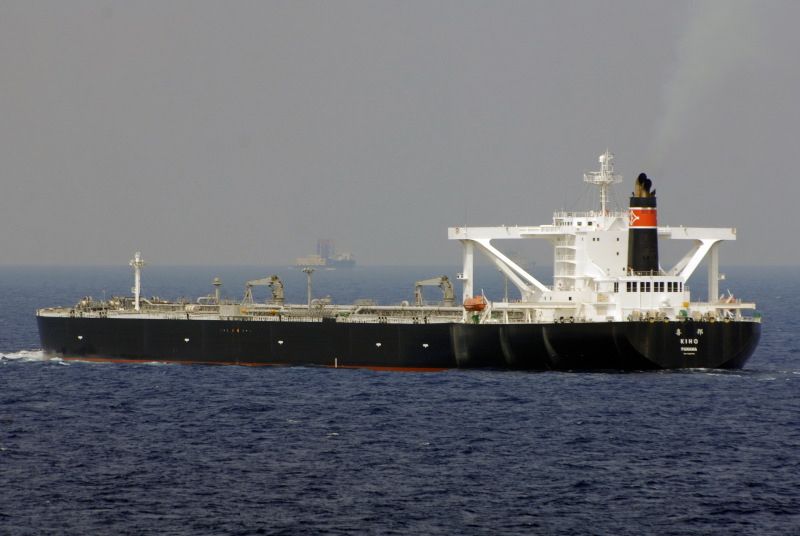
Just two days later, on June 27, the Panama-flagged VLCC oil tanker KIKU (laden with Qatar Energy crude) was hit by an unidentified projectile while transiting the strait northwest of Oman. The master reported damage to the bridge, but all crew members are safe and there is no environmental impact, according to the UK Maritime Trade Operations (UKMTO).
These incidents come amid a fragile U.S.-Iran memorandum of understanding aimed at easing hostilities and restoring safe passage through the strait. Iran’s Islamic Revolutionary Guard Corps (IRGC) has issued warnings against vessels using routes not coordinated with Tehran, viewing certain transits as violations. The attacks have prompted the International Maritime Organization to pause plans for evacuating thousands of stranded seafarers and led to heightened alerts for shipping in the region.
Broader Context and Market Impact
The Strait of Hormuz handles roughly 20% of global seaborne oil trade and significant LNG volumes. Disruptions here send immediate ripples through energy markets, with analysts noting increased risk premiums and potential upward pressure on crude prices. The latest strikes follow a pattern of Iranian responses to perceived threats, including U.S. strikes on Iranian missile and drone facilities.
While no major supply disruption has yet materialized from these specific incidents, the cumulative effect is accelerating a strategic shift already underway: the global push toward energy security through infrastructure diversification.
Pipelines: The New Backbone of Energy Security
As covered extensively on EnergyNewsBeat.co, the move to greater energy security is driving a surge in pipeline construction and expansions designed to bypass vulnerable maritime chokepoints like the Strait of Hormuz.
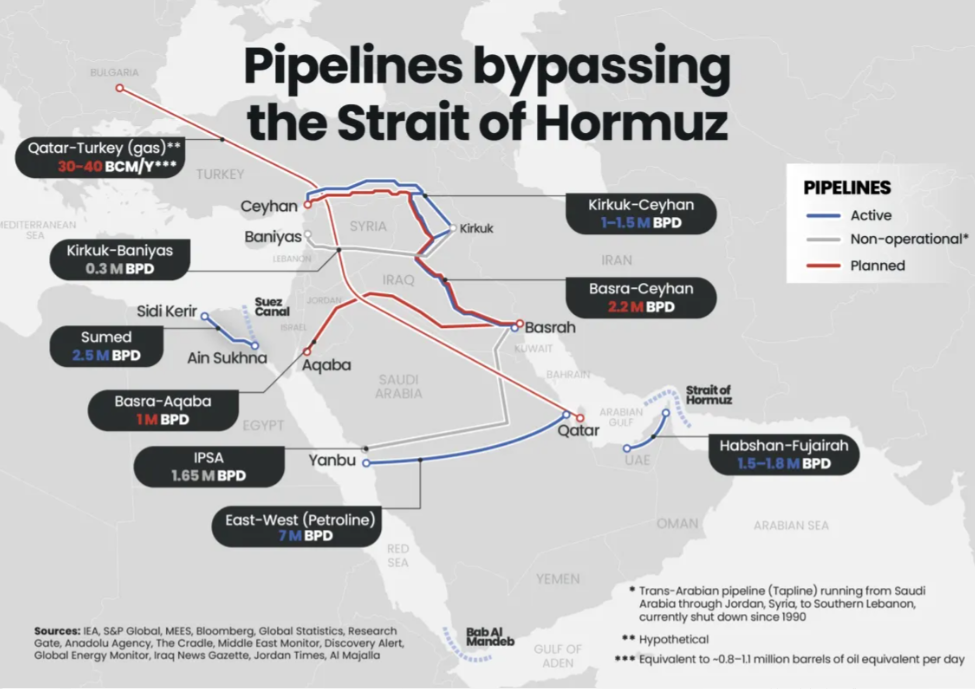
Saudi Arabia has ramped its East-West Pipeline (Petroline) to full 7 million barrels per day (bpd) capacity, routing crude to the Red Sea port of Yanbu and completely avoiding the strait.
The UAE is accelerating expansions of the Habshan–Fujairah (ADCOP) pipeline, with flows to the Fujairah export terminal on the Gulf of Oman already handling a growing share of Abu Dhabi’s exports.
Iraq is moving to accelerate its own Hormuz bypass options, including links toward the Gulf of Oman.
These projects, along with broader financing trends (with major banks directing hundreds of billions into fossil fuel infrastructure and security-related spending amid the Iran conflict), reflect a fundamental rethink.
Energy News Beat analyses have highlighted how the Hormuz squeeze is permanently redrawing global oil and gas flows, with pipeline diversification becoming a core pillar of resilience for Gulf producers and importers alike.
The Strait of Malacca: Turnabout as Fair Play?
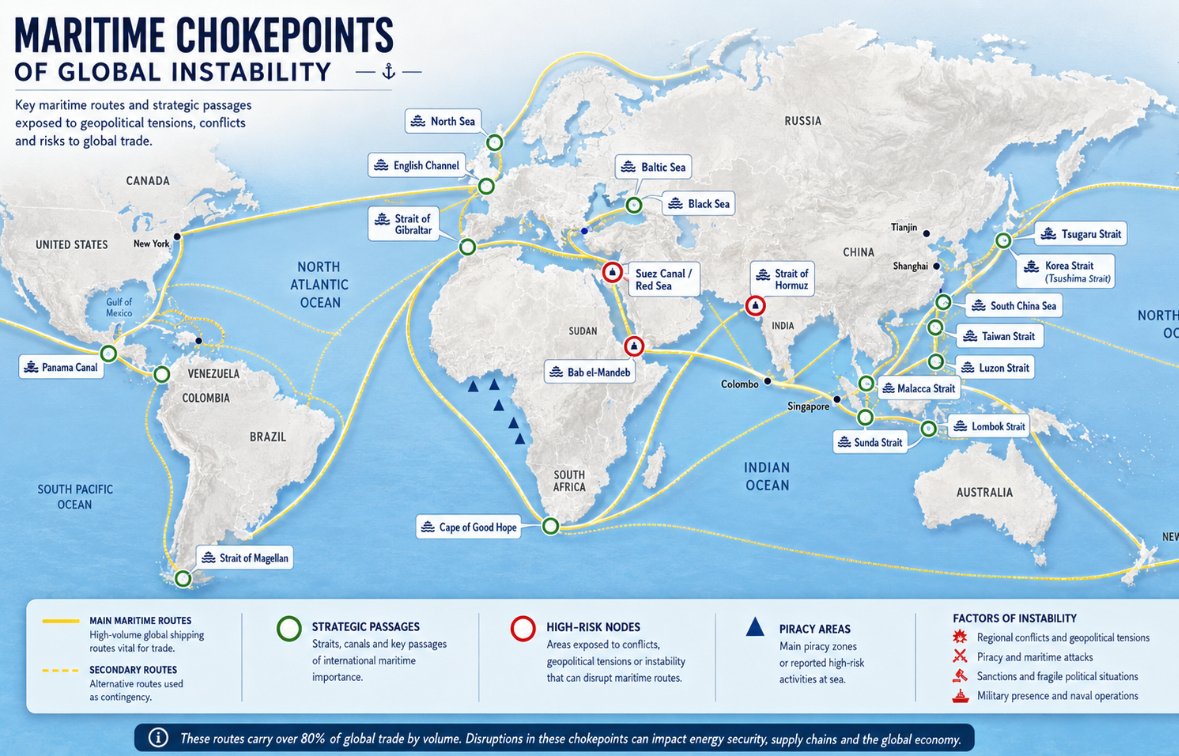
With Hormuz under pressure, attention is turning to the Strait of Malacca—the critical maritime gateway between the Indian Ocean and the South China Sea that carries a massive share of Middle East oil and LNG destined for Asia.
Analysts and commentators on Energy News Beat platforms have noted that as producers and consumers build bypass infrastructure around Hormuz, the Malacca Strait could gain even greater strategic importance. For Iran, this represents a potential lever in a game of “turnabout is fair play.” Just as Western and Gulf actors seek to neutralize Hormuz’s leverage through pipelines and alternative routing, Tehran may view increased traffic or influence over Malacca-bound flows (via proxies, diplomacy, or asymmetric capabilities in the Indian Ocean) as a counterbalance.
While direct Iranian threats to Malacca have not materialized, the logic of reciprocal pressure on Asia’s primary energy artery is clear in the current geopolitical climate. This dynamic could further complicate energy security calculations for major importers like China, India, Japan, and South Korea.
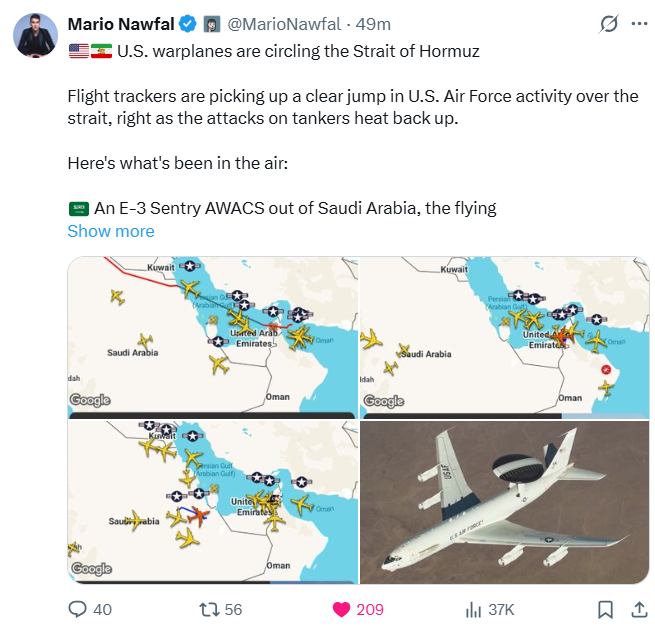
Current US Activity
Mario Nawfal on X posts:
Outlook
The recent tanker incidents in the Strait of Hormuz are more than isolated maritime events—they are symptoms of deeper structural shifts in global energy geopolitics. The aggressive pursuit of pipeline networks and alternative export routes, as detailed across Energy News Beat reporting, shows that producers are no longer willing to remain hostage to a single chokepoint.
However, these adaptations come with costs: higher infrastructure spending, potential delays in supply restoration, and new vulnerabilities at secondary chokepoints like the Strait of Malacca. Diplomatic de-escalation remains essential, but the infrastructure response is already in motion and appears irreversible.
Energy markets will likely remain volatile in the near term, with risk premiums embedded for the foreseeable future. The era of treating the Strait of Hormuz as a reliable, low-risk corridor is over.
Recent Attacks (June 2026):
- UKMTO and maritime security reports on KIKU tanker strike (June 27): Multiple outlets, including NDTV, gCaptain, and UKMTO advisories.
- M/V Ever Lovely attack (June 25): New York Times, BBC, Channel News Asia, Reuters, and U.S. official statements.
- Broader context: AP, Reuters, and Wikipedia summary of 2026 Strait of Hormuz crisis.
EnergyNewsBeat.co Articles on Pipelines & Energy Security:
- “World’s 65 Biggest Banks Pumped $906 Billion Into Fossil Fuels in 2025 – The Iran War Will Escalate Exploration and Production, Pipelines and Energy Security Spending and Financing” (June 9, 2026): https://energynewsbeat.co/finance/worlds-65-biggest-banks-pumped-906-billion-into-fossil-fuels-in-2025-the-iran-war-will-escalate-exploration-and-production-pipelines-and-energy-security-spending-and-financing/
- “The Hormuz Squeeze Is Redrawing Global Oil and Gas Markets for Good” (June 5, 2026): https://energynewsbeat.co/crude-oil/the-hormuz-squeeze-is-redrawing-global-oil-and-gas-markets-for-goodby-energy-news-beat-channel/
- “Saudi Pipeline Hits 7 Million BPD Goal Bypassing the Strait of Hormuz” (June 22, 2026): https://energynewsbeat.co/big-oil-companies/saudi-pipeline-hits-7-million-bpd-goal-bypassing-the-strait-of-hormuz/
- Additional coverage on UAE Fujairah pipeline, Iraq bypass projects, and structural shifts in capital allocation due to the Iran conflict (multiple articles on energynewsbeat.co, April–June 2026).
Additional Context on Pipelines & Chokepoints:
- IEA and industry analyses on Hormuz bypass capacity (3.5–7+ million bpd via existing and expanding pipelines).
- Broader reporting on energy security infrastructure acceleration in 2025–2026.
This article is for informational purposes and reflects reporting available as of June 27, 2026. Energy markets and geopolitical situations evolve rapidly.