

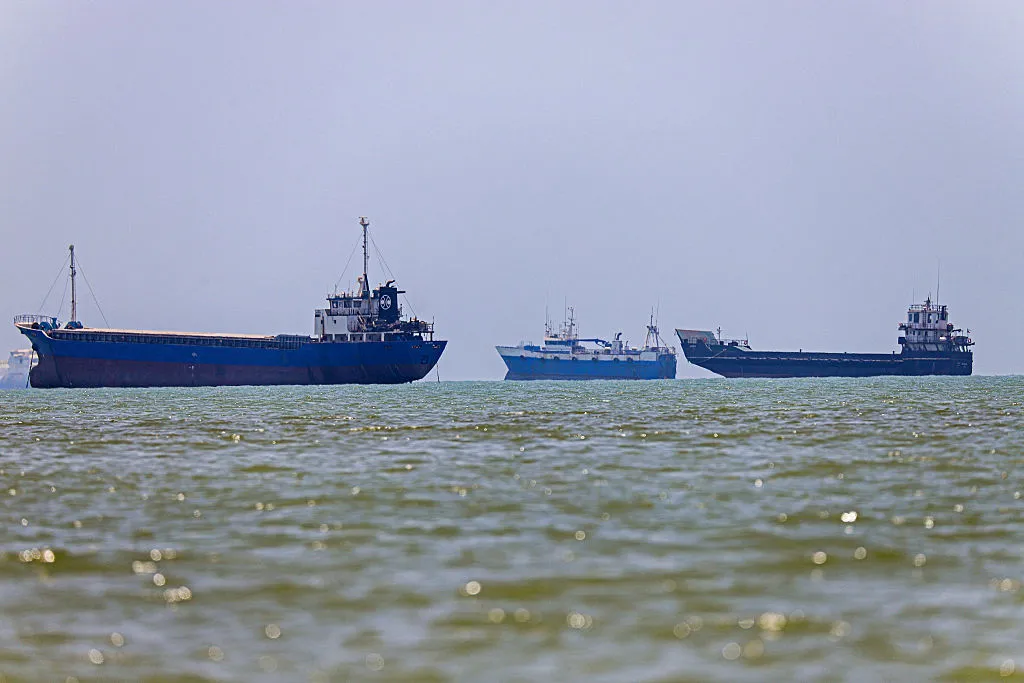
As U.S. Vice President JD Vance touched down in Switzerland on June 21, 2026, for high-level peace talks with Iranian officials, Iran’s Islamic Revolutionary Guard Corps (IRGC)-linked military command announced a renewed closure of the Strait of Hormuz. The move cites alleged Israeli violations of a fragile ceasefire in southern Lebanon and threatens further disruptions to one of the world’s most critical energy chokepoints.
The announcement adds uncertainty to a fragile U.S.-Iran memorandum of understanding aimed at ending hostilities and ensuring safe passage. Shipping traffic through the strait—through which roughly one-fifth of global oil and significant liquefied natural gas (LNG) volumes flow—remains heavily restricted, operating under an IRGC-controlled “toll booth” or fees regime that has been in place since mid-March 2026.
Iran’s “Fees” Regime and IRGC Control
Since March 2026, Iran has imposed a de facto controlled corridor in the Strait of Hormuz, primarily north of the traditional shipping lanes near the Iranian coast and Larak Islands. Vessels must submit detailed documentation (cargo, owners, crew lists, destination), obtain IRGC-issued clearance codes, and often accept escorted passage.
Iran insists these are “maritime service fees” (reportedly $1–2 million per transit, often paid in Chinese yuan or cryptocurrency) rather than illegal “tolls.” Chinese, Greek, Pakistani, and some French-linked vessels have reportedly paid and transited. Iranian-flagged vessels pass freely. Many other operators rely on diplomatic channels or avoid the route entirely.
The June 20, 2026, closure announcement by Iran’s joint military command frames the action as a “first step” in response to ceasefire breaches, warning of additional measures if aggression continues. U.S. Central Command (CENTCOM) and other officials have pushed back, stating that commercial traffic continues.
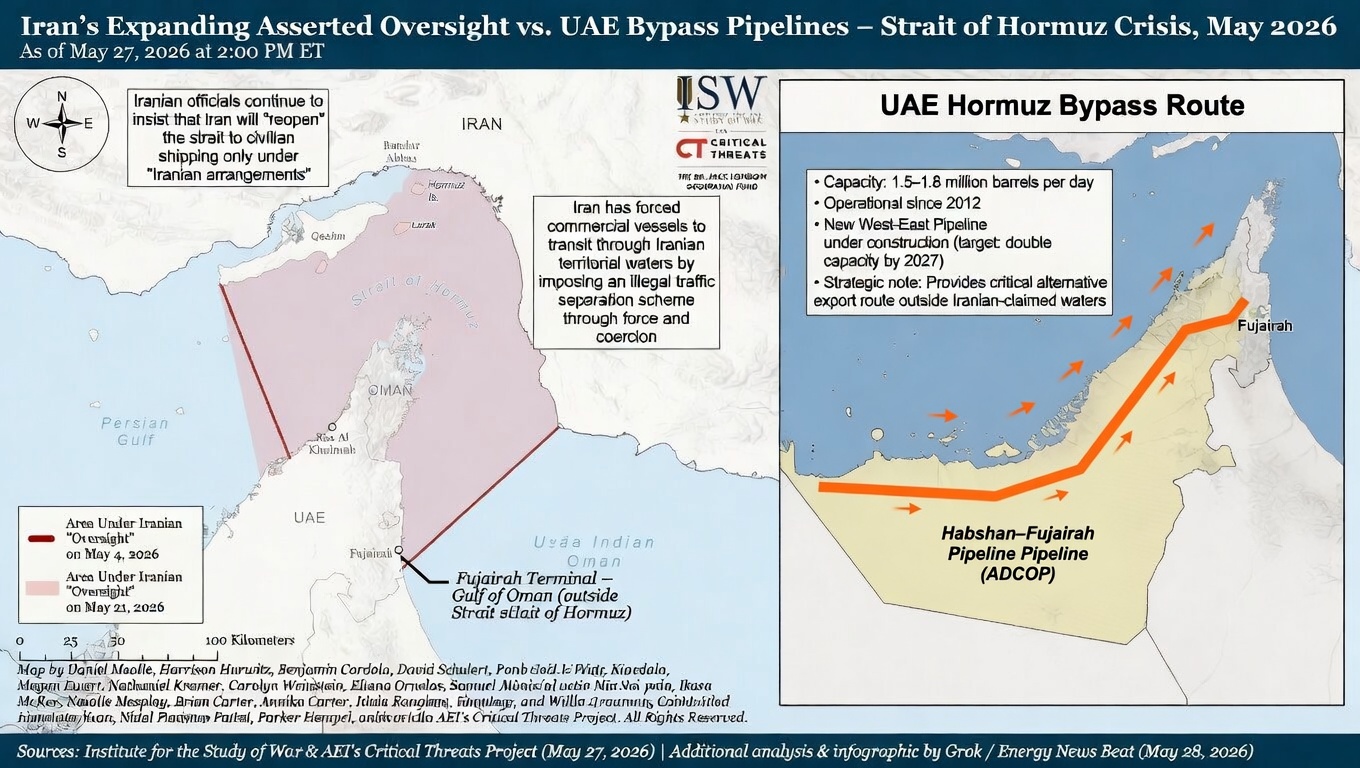
Personally, I have concerns about the IRGC, and Stu Turley has pointed out on the Energy News Beat podcast that the only way to long-term peace would be to put Venezuelan-style controls in place. The IRGC has claimed the ports across the Strait where the UAE exports in the Gulf of Oman outside of the Strait of Hormuz, and it seems like a land grab that should not be allowed. You have Iraq, the UAE, Saudi Arabia, and Kuwait all looking to expand pipelines and planning to avoid using the Strait of Hormuz.
Current Shipping Traffic: Limited but Showing Signs of Recovery
Pre-conflict daily traffic averaged 100–150 vessels (including dozens of tankers). Since the conflict escalated in late February/early March 2026, volumes dropped sharply to a trickle.
Recent data shows a modest rebound following the U.S.-Iran deal:On June 18, 2026, maritime trackers (Kpler and AXSMarine) reported approximately 20 oil tankers and a total of 25 commercial vessels transiting—the highest single-day count in weeks or since mid-April in some datasets.
Examples include three Saudi-flagged supertankers carrying about 6 million barrels of crude, plus other tankers and cargo vessels.
Many transits follow the IRGC-designated corridor.
Earlier periods saw very low official traffic (e.g., handfuls of vessels daily), with significant “shadow fleet” activity (AIS manipulation or “going dark”), especially outbound tankers.
Broader estimates since early March include hundreds of crossings when including less-visible movements, though official verified tanker transits remained limited until the recent uptick.
Types of vessels observed: Primarily crude oil tankers (including VLCC/supertankers and Aframax), plus cargo ships, chemical tankers, and some LPG vessels. Oil movements are prioritized where clearance is granted. Indian tankers have also been reported passing safely in recent days.
Traffic remains well below pre-war norms, and the latest closure claim introduces fresh volatility.
Insurance Market: Lloyd’s of London and War Risk PremiumsLloyd’s of London and the broader marine insurance market have responded to heightened risks with sharply elevated war risk premiums, though coverage remains available at a price.
Pre-conflict war risk rates for Hormuz transits were typically around 0.25% of vessel hull value.
Current rates have surged to 1–5%+ (or higher for vessels with perceived U.S., UK, or Israeli connections), with some quotes reaching double-digit millions of dollars per transit for larger tankers.
The Lloyd’s Joint War Committee has maintained high-risk designations for the region. Underwriters at Lloyd’s continue to negotiate and issue policies, but costs have become a major deterrent alongside safety concerns.
Protection & Indemnity (P&I) clubs issued notices and offered buyback options at significantly higher rates. Safety perceptions, rather than outright unavailability of insurance, are cited as the primary factor limiting traffic.
Lloyd’s List Intelligence has extensively covered both the IRGC “toll booth” operations and the insurance repricing, noting that premiums are likely to remain elevated even if tensions ease.
Energy Market Implications
The strait’s disruption potential remains acute. Any sustained reduction in flows directly impacts global oil and LNG supply, contributing to price volatility. Recent modest increases in tanker movements have provided some relief, but the June 20 closure announcement and ongoing diplomatic talks in Switzerland will be closely watched by energy traders.
Vice President Vance’s presence in Switzerland signals continued high-level U.S. engagement to stabilize the situation and prevent a return to full blockade conditions.
Appendix: Sources and Links
- Reuters: “US VP Vance arrives in Switzerland for peace talks with Iran” (June 21, 2026) — https://www.reuters.com/world/europe/us-vp-vance-arrives-switzerland-peace-talks-with-iran-2026-06-21/
- Lloyd’s List: “Tehran’s ‘toll booth’ system is now controlling Hormuz traffic” — https://www.lloydslist.com/LL1156720/Tehrans-toll-booth-system-is-now-controlling-Hormuz-traffic
- Multiple reports on June 20 closure announcement (Mehr News, Politico, etc.).
- Kpler / AXSMarine shipping data via CNBC, Reuters, and The Hindu (June 18–19, 2026 transits).
- Lloyd’s List and market reports on war risk premiums (various March–June 2026 articles).
- Additional context from AP, CNN, and maritime intelligence sources.
This situation remains fluid. Energy News Beat will continue monitoring developments from Switzerland and real-time shipping data. For the latest tanker tracking and insurance market updates, stay tuned.