Prime Minister Mark Carney’s government has accelerated efforts to deepen Canada’s economic and security ties with the European Union, framing diversification as essential amid escalating trade friction with the United States. Official statements and actions indicate a strategic pivot toward Europe (and select other partners) rather than prioritizing new comprehensive U.S. trade arrangements beyond existing frameworks like CUSMA/USMCA. This approach aligns with Carney’s emphasis on reducing over-reliance on the U.S. market while positioning Canada as an energy and critical-minerals supplier to Europe.
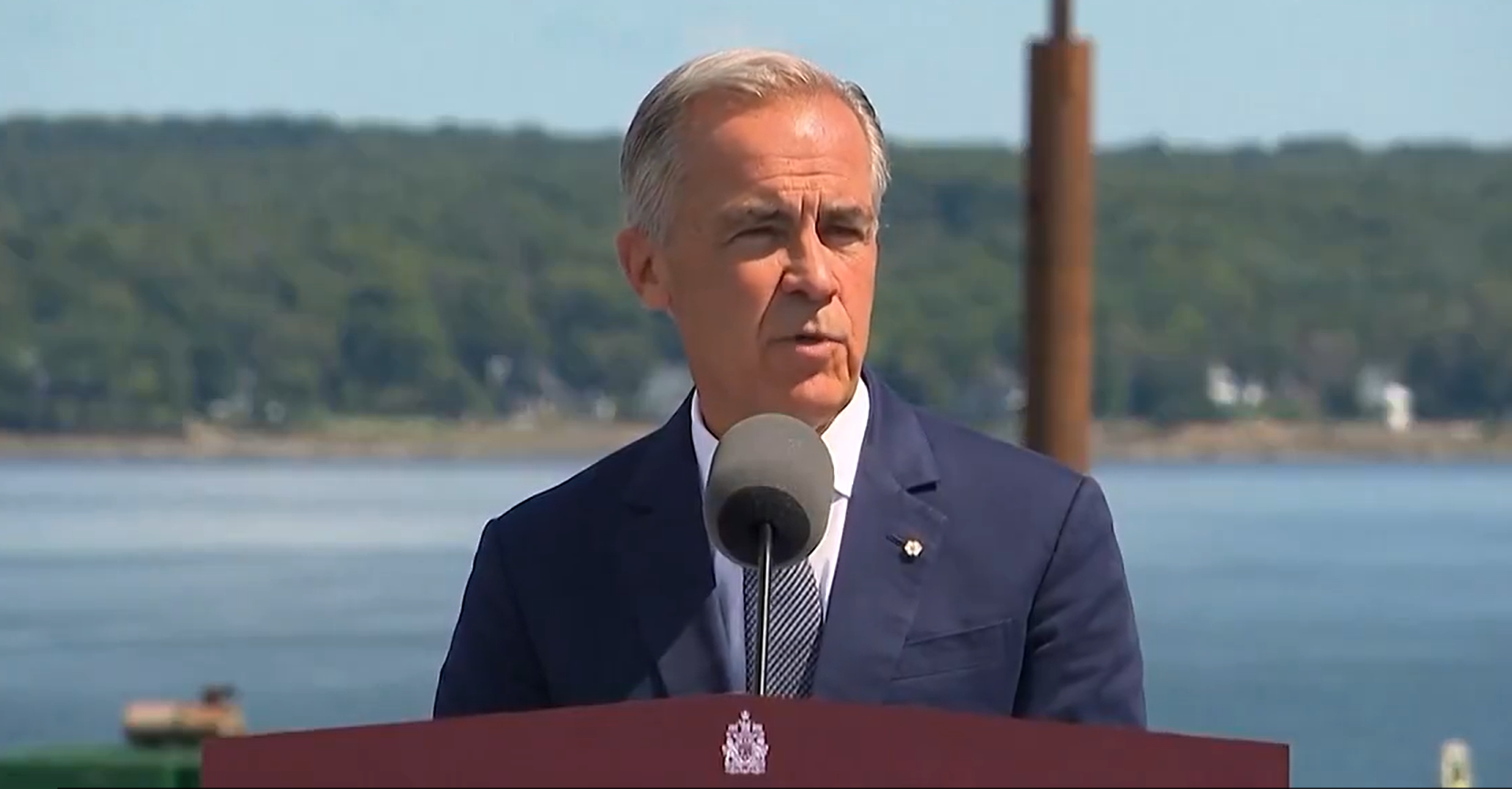
In a widely circulated X post by @NSceptic11501(August 24, 2026), the author summarizes a narrative of Carney’s role and includes a video clip of the Prime Minister speaking at a podium labeled “Bâtir un Canada fort.” The post’s condensed points state that Europe’s financial system faces collateral issues, that the Ukraine conflict failed to secure Russian resources, and that Carney was positioned to weaken Canada-U.S. ties in favor of EU integration of Canadian resources. It claims Carney called a 2025 election, used procedural means for parliamentary support, manufactured U.S. crisis rhetoric including references to being “at war,” and is now advancing Canada-EU linkages. The accompanying short video shows Carney speaking outdoors near water, but available frame analysis does not yield a complete verbatim transcript of unique phrasing beyond the visual context of a standard address.
Canada-EU Partnership Breakdown
Canada already operates under the Comprehensive Economic and Trade Agreement (CETA), provisionally applied since 2017. CETA eliminated roughly 98-99% of tariffs on goods, boosted bilateral trade significantly (EU figures show trade reaching approximately €130.8 billion by 2025, up over 80% from pre-CETA levels in some metrics), and covered services, investment, procurement, and regulatory cooperation.
Under Carney, leaders announced the “New EU-Canada Strategic Partnership of the Future” and a Security and Defense Partnership in June 2025 in Brussels. This expands cooperation in trade, economic security, digital transition, climate, critical minerals, energy, technology, and defense. Canada became the first non-European country to join the EU’s Security Action for Europe (SAFE) initiative, opening procurement opportunities (e.g., a Canadian firm secured a contract for tactical radios). Bilateral meetings and summits in 2025-2026 have reinforced energy, climate competitiveness, and investment flows. The EU remains Canada’s second-largest trading partner for goods and services (around $178.6 billion in 2025) and a major FDI source. Further negotiations aim to deepen these links, including potential digital trade elements complementing CETA.
This is not a full replacement of North American integration but a deliberate diversification strategy. Carney has described it as building resilience while maintaining U.S. relations where possible.
Alberta Pipelines Through the United States to Eastern Canada
Western Canadian (primarily Alberta) crude reaches Ontario and Quebec refineries largely via the Enbridge Mainline system. Oil moves from Edmonton/Hardisty areas across the Prairies to the Canada-U.S. border at Gretna, Manitoba, then via the U.S. Lakehead system through Minnesota, Wisconsin, and Michigan (including Line 5 under the Straits of Mackinac) before re-entering Canada at Sarnia, Ontario. From Sarnia, Line 9 extends to Montreal.
This route supplies a substantial share of Eastern Canadian refinery feedstock; estimates indicate roughly half of Ontario’s oil imports transit U.S. territory. Line 5 has faced ongoing legal and political challenges from Michigan authorities seeking its shutdown over environmental concerns, creating recognized vulnerability. Natural gas from Western Canada also relies heavily on cross-border pipelines, with Eastern provinces increasingly interconnected with U.S. supplies in some cases.
In response, Alberta and Ontario have proposed the Northern Shield Energy Corridor—an all-Canadian pipeline from Hardisty, Alberta, through Saskatchewan, Manitoba, and northern Ontario to Sarnia (approximately 3,300 km / 2,050 miles), initially for up to 500,000 barrels per day (expandable to 800,000). It could later extend toward Atlantic export options. Feasibility work continues, motivated by energy security and reduced U.S. transit dependence. Other expansions (Trans Mountain optimizations, potential Prairie Connector concepts) focus more on export capacity.
Energy Trade War Scenario: What Canada and the U.S. Buy from Each Other
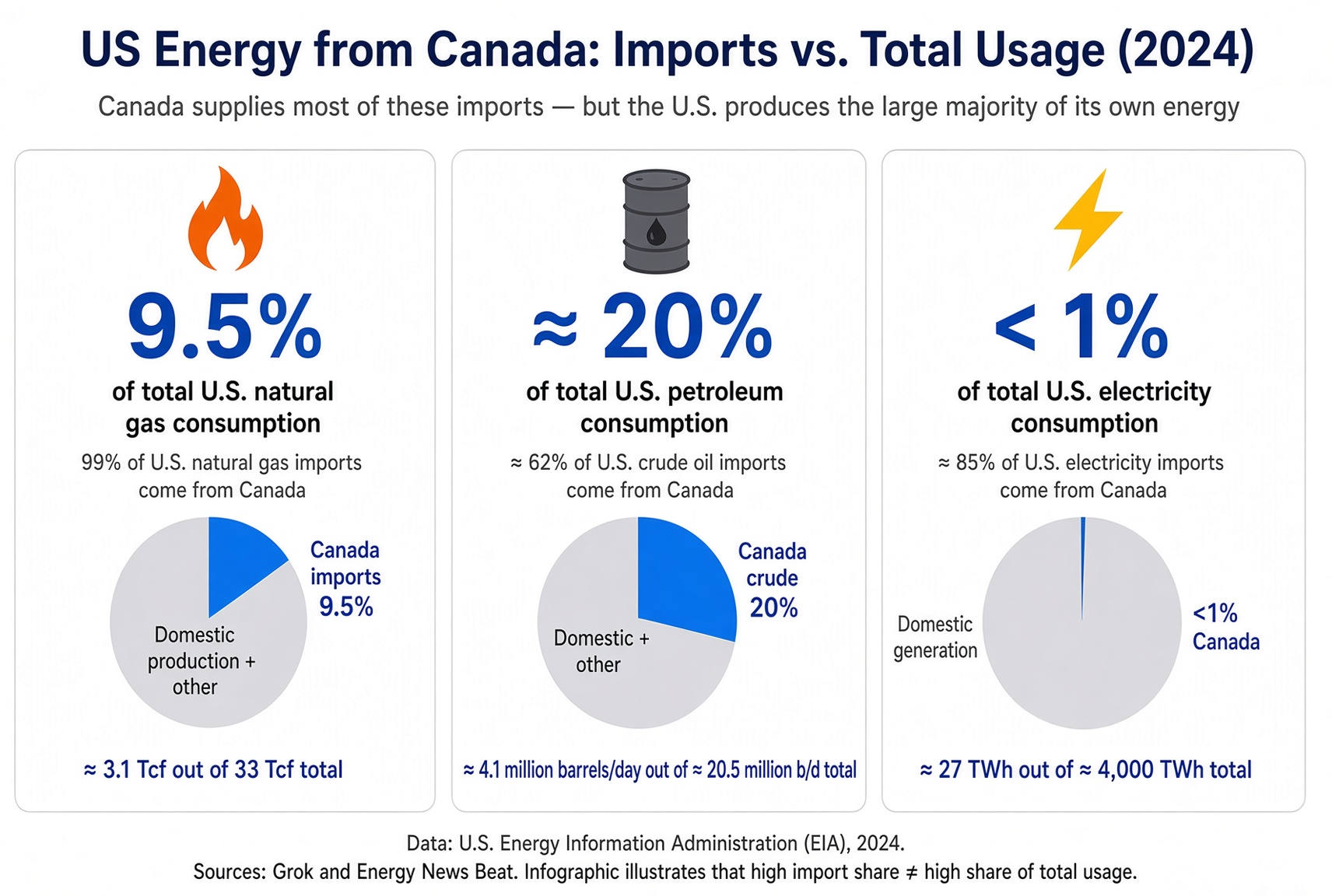
Canada-U.S. energy trade remains deeply integrated and asymmetric. In recent years (2024 data and 2025 estimates), Canadian energy exports to the U.S. have been valued in the $110–170 billion range annually (crude oil dominant), representing a large share of Canada’s total goods exports. The U.S. sources the majority of its crude oil imports (around 60%) and nearly all natural gas imports (98-99%) from Canada, plus significant refined products, NGLs, and electricity.
Canada imports far less energy value from the U.S. (roughly $25–35 billion range in comparable periods), primarily crude oil and products to Eastern refineries, some natural gas, and electricity for grid balancing. Net, Canada is a major energy surplus supplier to the U.S. An energy-focused trade war (tariffs, restrictions, or pipeline disruptions) would raise costs for U.S. Midwest and other refiners reliant on Canadian heavy crude, potentially tighten U.S. gas markets in certain regions, and pressure Canadian producers via discounted prices or lost volumes. Eastern Canadian consumers and refiners would face higher feedstock costs or shortages if U.S. transit routes are interrupted, accelerating pressure for all-Canadian infrastructure. Electricity trade is smaller but regionally critical for reliability. Overall bilateral energy interdependence makes a full rupture mutually damaging, though Canada’s export dependence on the U.S. market is higher in absolute terms for oil and gas.
Commitments with China and the EU; USMCA Implications
Carney has advanced parallel outreach. With the EU, the Strategic Partnership and SAFE participation are public and expanding. With China, a January 2026 visit produced a “new strategic partnership” focused on energy/clean technology, agri-food/trade, public safety, multilateralism, and people-to-people ties. A preliminary arrangement reduced Chinese tariffs on Canadian canola (to ~15% combined from much higher levels), eased barriers on other ag products, and allowed limited Chinese EV imports into Canada (quota starting at 49,000 vehicles at MFN rates, with investment expectations). Several MOUs (energy cooperation including oil/LNG, wood construction, policing, etc.) were signed or renewed; full detailed texts of every side agreement have not always been released comprehensively at the moment of announcement, though joint statements and key tariff measures are public.
These are not a comprehensive free trade agreement (FTA). Under USMCA/CUSMA Article 32.10, a party intending to negotiate an FTA with a non-market economy (China is treated as such by the U.S.) must notify the others in advance, share objectives, and provide the text for review; entry into such an FTA can allow the other parties to terminate the North American agreement on notice. Carney has explicitly stated Canada has no intention of pursuing an FTA with China or other non-market economies, describing the China steps as resolving specific bilateral irritants rather than a full FTA. Analysts and official commentary indicate the strategic partnership and limited tariff arrangements do not trigger the Article 32.10 mechanism.
Recent U.S.-Canada bilateral trade talks collapsed in August 2026, with Carney suspending negotiations, citing U.S. demands that were too extensive (including on sovereignty, culture/language protections, industry impacts, and restrictions on other trade deals) and offers too limited. He has used language such as being “at war” when attacked and committed to matching tariffs dollar-for-dollar while accelerating non-U.S. diversification.
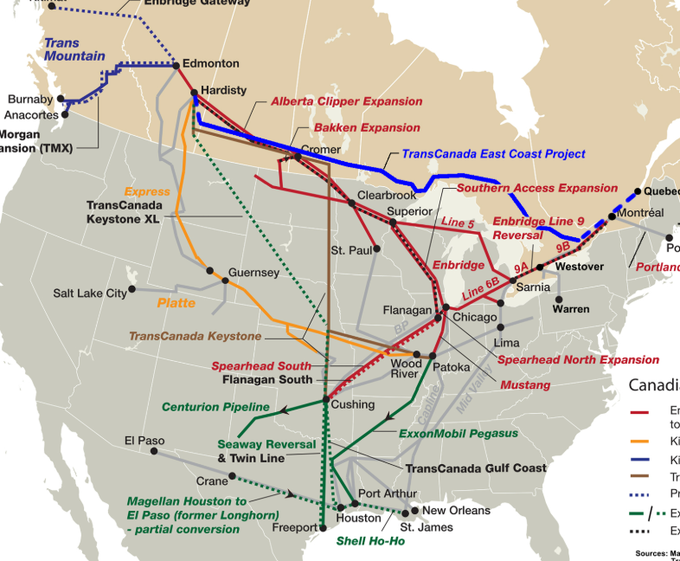
The main U.S.-transit pipelines feeding Canadian refineries are part of the Enbridge Mainline system (especially Line 5 across Michigan and connecting lines that re-enter Canada at Sarnia, Ontario), plus Line 9 that continues east to Montreal. These move Western Canadian crude (and some U.S. crude) through the United States before delivering it to Eastern Canadian refineries.
Number of Refineries
These pipelines primarily supply 6 major crude oil refineries in Ontario and Quebec:
- Ontario (Sarnia area + Nanticoke):
- Imperial Oil Sarnia (~121–124 kb/d)
- Suncor Sarnia (~85–92 kb/d)
- Shell Corunna/Sarnia (~85 kb/d)
- Imperial Oil Nanticoke (~112–113 kb/d)
- Quebec (via Line 9 from Sarnia):
- Suncor Montreal (~137 kb/d)
- Valero Jean-Gaulin (Lévis/Quebec City area) (~230–265 kb/d)
Combined capacity of these six is roughly 770–820 kb/d (figures vary slightly by source and year; recent CAPP and company data put Ontario + Quebec total refining capacity near 800–820 kb/d).
Canada has about 16 operating crude refineries nationwide with total capacity of ~1.9 million barrels per day. The Ontario + Quebec facilities represent roughly 40–42% of national refining capacity. (Western Canadian refineries process local crude; the large Irving Oil refinery in New Brunswick relies mainly on marine imports.)
Share of Canada’s Diesel and Gasoline
There is no single official national percentage published for “gasoline and diesel produced specifically from crude that transited U.S. pipelines,” but the dependence is high for Central Canada and significant nationally:
- Ontario is essentially fully dependent on crude that arrives via the Enbridge Mainline system (which crosses the U.S.). There is no major all-Canadian pipeline alternative to the East.
- Quebec relies on the same system (via Line 9) for a large share of its feedstock—commonly cited in the range of a majority or ~60%+ in various analyses, with the balance coming from marine imports or other sources.
Because Ontario and Quebec account for a large portion of Canada’s population and fuel demand, these refineries produce a substantial share of the country’s gasoline and diesel. National refining capacity in the region is ~40%, and utilization is typically high. Western Canada largely supplies its own regional market from local crude, while Atlantic Canada leans on imports.
Older Line 5 impact studies (and related analyses) have indicated that disruption to the cross-border system could affect a large fraction (in some estimates approaching 45% in the broader regional market including parts of the U.S. Midwest and Eastern Canada) of gasoline, diesel, and jet fuel supply in the served area. Nationally, the share of total Canadian gasoline and diesel output tied to this feedstock is lower—likely in the 30–45% range—because Western Canadian production and the Atlantic refinery are independent of it.
Key context: Mainline deliveries into Sarnia have often run in the 700+ kb/d range in recent years, supporting the Eastern Canadian refining system with mostly Western Canadian crude (plus some U.S. volumes). This infrastructure is critical for Ontario and important for Quebec refined-product supply.
Data drawn from CAPP refining reports (2025–2026), Canada Energy Regulator profiles, Enbridge system information, and related analyses. Exact shares fluctuate with crude slates, imports, and utilization rates.
Tulsa-based Sinclair just announced it is closing its Canadian refinery, leaving no refineries in Canada for lubricants, motor oil, or hydraulic fluid. They decided not to do business in Canada and have to pay for Net Zero or overreach. They are not selling the refinery. They are shutting it down. That is significant.
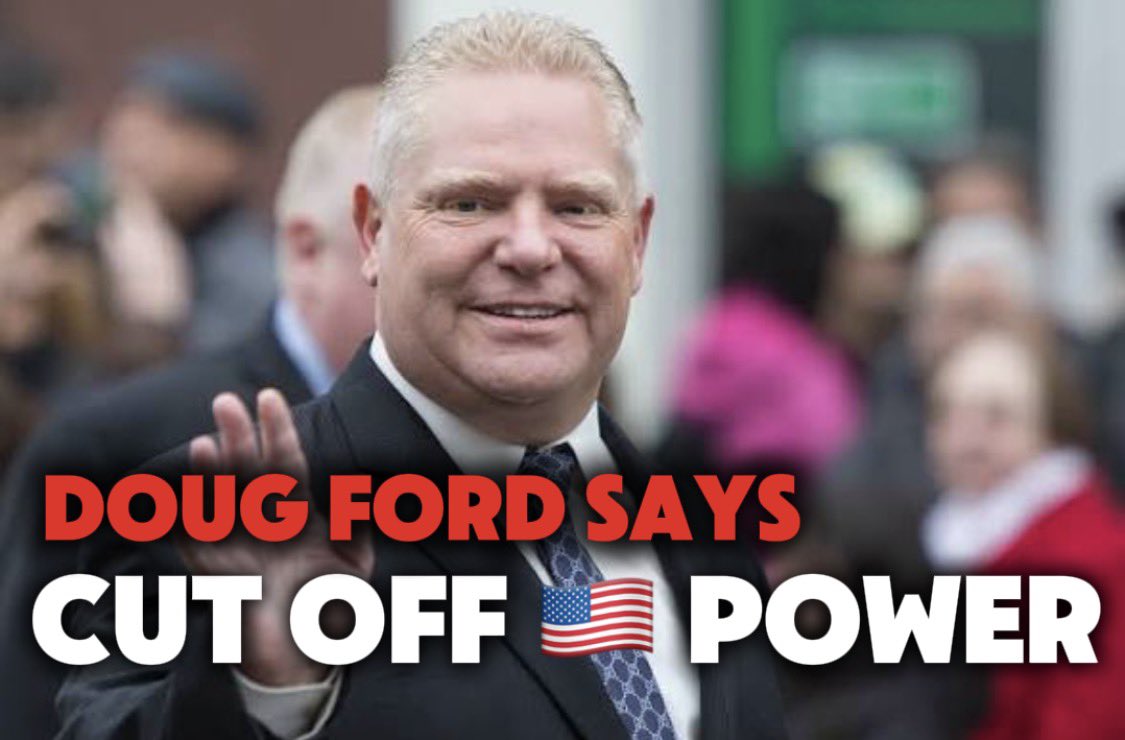
And Doug Ford Says Shut Off Power – Who will that hurt more?
The 1% electricity goes to New York and other Blue States. Then the Enbridge oil pipeline going north would be shut off, and the Canadian refineries would have no oil. So it is the left and liberals hurting the left and liberals. Alberta and Western Canada will be like Sinclare and leave Canada – Just saying.
Facial and Body-Language Analyses
Independent body-language observers have examined Carney in high-stakes settings, primarily his interactions with U.S. President Trump. Analyses note firm posture and direct statements (“Canada is not for sale… ever”), occasional defensive or closed gestures under pressure, habitual winking interpreted variously as confidence, slyness, or rapport-building, and micro-expressions during tense exchanges. One detailed review of an Oval Office meeting highlighted clusters suggesting sarcasm or unresolved intent on the U.S. side; other commentary describes Carney’s composure as a “tutorial” in controlled communication or notes stress indicators such as face-touching or blink-rate changes. These are interpretive observations from experts and media rather than consensus scientific findings, and none specifically decode the EU or China announcements in isolation. Public commentary often frames Carney’s overall demeanor as measured and resolute on sovereignty and diversification.
President Trump has legitimate concerns about China dumping steel and aluminum into Canada, and, with them negotiating with China and not releasing the agreement, it appears they have quietly violated our trade agreement. So when President Trump says we don’t need Canada, he is not entirely correct. We need the oil, and now, thanks to New York and other Blue States, we need electricity.
If oil and energy are excluded from tariffs, Canada will have to make a choice. The US can weather a cutoff of Canadian oil, not very fun, but could be done.
In summary, Carney’s visible policy trajectory prioritizes EU strategic deepening (building on CETA) and selective engagement and commitments to China for market access and investment, while U.S. relations remain contentious and pipeline infrastructure highlights Canada’s exposure to cross-border chokepoints. Energy trade data underscore mutual dependence that would amplify costs in any sustained conflict. All assessments rest on publicly available government statements, trade statistics, and infrastructure reports; full details of private negotiations or unreleased MOU annexes remain outside open sources.
Mark Carney is described by some as the point man for the globalists’ Anti-Trump and Anti-U.S. movement, and his actions appear to show that he likes the job. I would also add that he says, “We Are At War”; I would add that he has been planning this war for several years. He had a good deal from the Trump administration, but he chose to support China and the EU rather than help Canada.
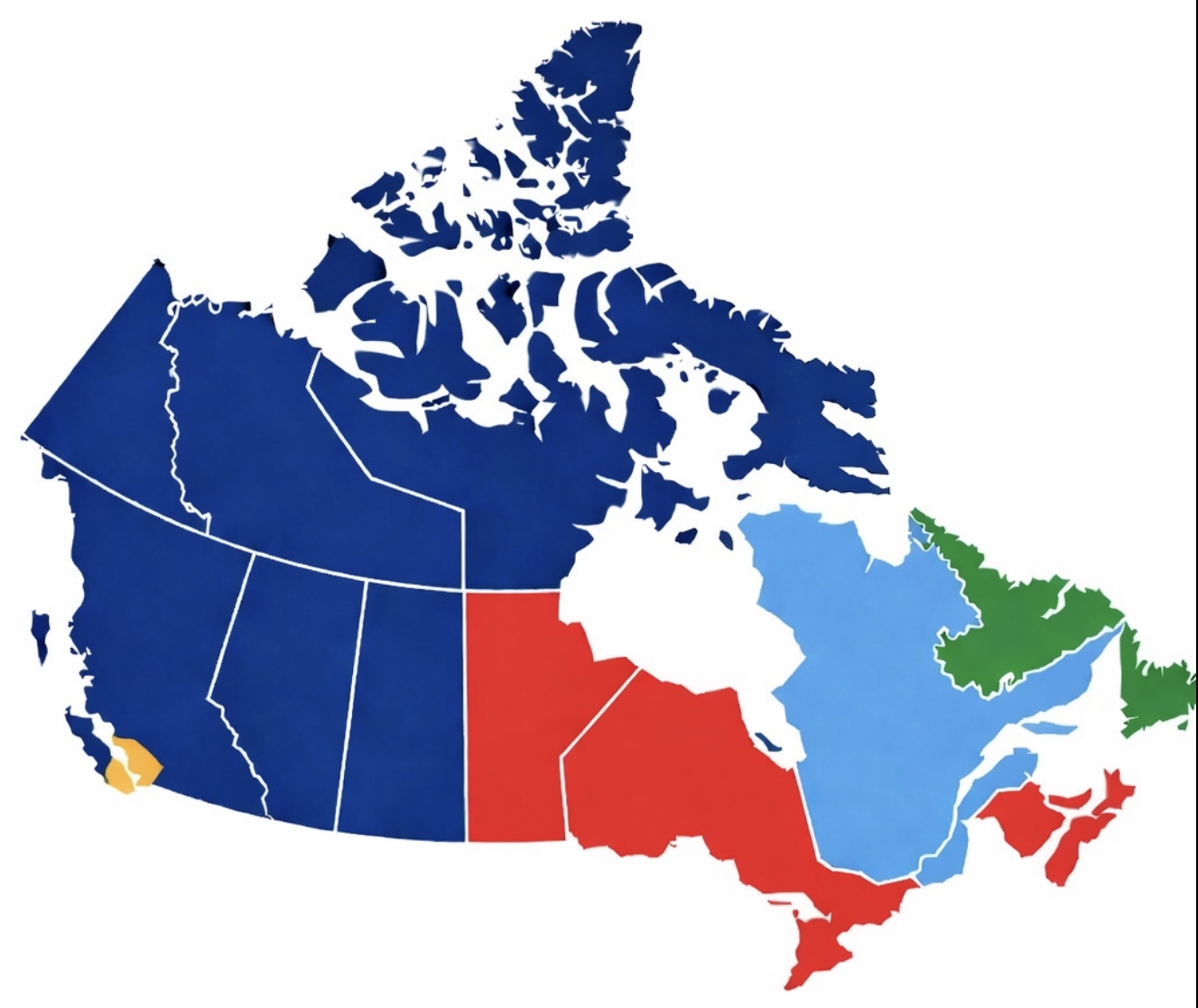
Mark Carney is forcing the New World Order, and he may get a New Canadian Map instead.
Appendix: Sources and Links
- Prime Minister of Canada news releases on EU partnerships (2025–2026): https://www.pm.gc.ca/en/news/news-releases/2026/05/04/prime-minister-carney-strengthens-trade-and-security-partnerships ; https://www.pm.gc.ca/en/news/news-releases/2025/06/23/canada-announces-new-strengthened-partnership-european ; https://www.pm.gc.ca/en/news/readouts/2026/06/15/prime-minister-carney-meets-european-council-president-antonio-costa-and
- China strategic partnership: https://www.pm.gc.ca/en/news/news-releases/2026/01/16/prime-minister-carney-forges-new-strategic-partnership-peoples ; https://www.pm.gc.ca/en/news/statements/2026/01/16/joint-statement-canada-china-leaders-meeting ; https://www.theguardian.com/world/2026/jan/16/china-canada-partnership-new-global-realities-carney-xi-jinping
- X post and video: https://x.com/NSceptic11501/status/2091962213112115497
- Pipeline and infrastructure: CER/CAPP reports; Enbridge Mainline facts; CBC and AP coverage of Northern Shield proposal (e.g., https://apnews.com/article/canada-ontario-alberta-eastern-pipeline-742f556bab8d551365a9a7eaaca256bb ; https://www.cbc.ca/news/canada/calgary/analysis-alberta-oil-separation-pipelines-provinces-9.7293090)
- Energy trade statistics: Canada Energy Regulator Market Snapshots
; EIA Today in Energy reports on 2024–2025 trade values
- USMCA Article 32.10 and China: Baker McKenzie analysis and Georgetown Journal references; Carney statements confirming no FTA intent
- Trade talks collapse: CBC full remarks and analysis (https://www.cbc.ca/news/politics/carney-full-remarks-us-trade-talks-suspended-9.7317033 ; https://www.cbc.ca/news/politics/carney-trump-trade-talks-broke-down-9.7318903)
- Body-language analyses: Examples from bodylanguagesuccess.com, Sky News, National Post, and related expert commentary on Carney-Trump meetings
- CETA details: Official texts and evaluations via Global Affairs Canada and European Commission trade pages
Additional contemporaneous reporting from POLITICO, NYT, DW, Financial Times, and Canadian outlets informed the synthesis. Data reflect publicly reported 2024–2026 figures and are subject to revision.