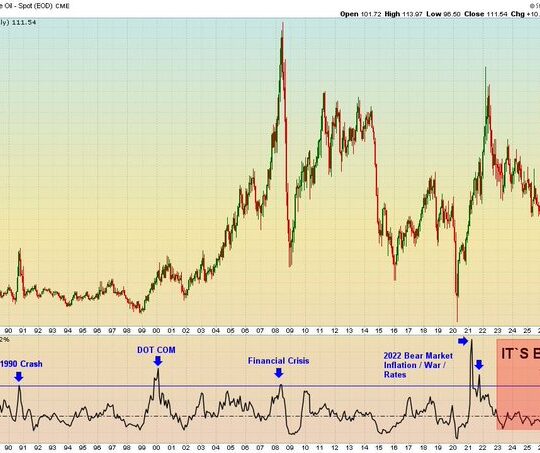
A Structural Shift in Capital Allocation in the Energy Sector is Underway Due to the Iran Conflict

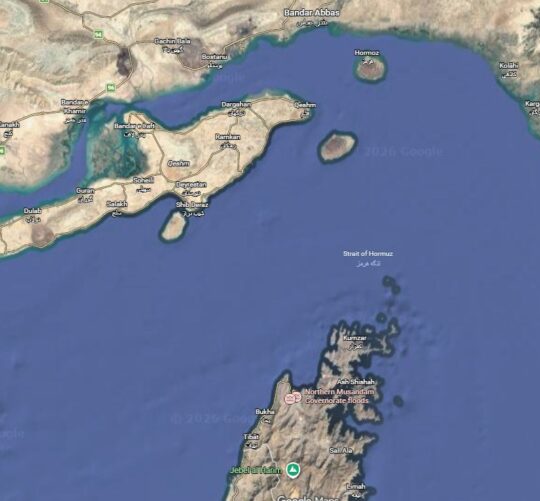
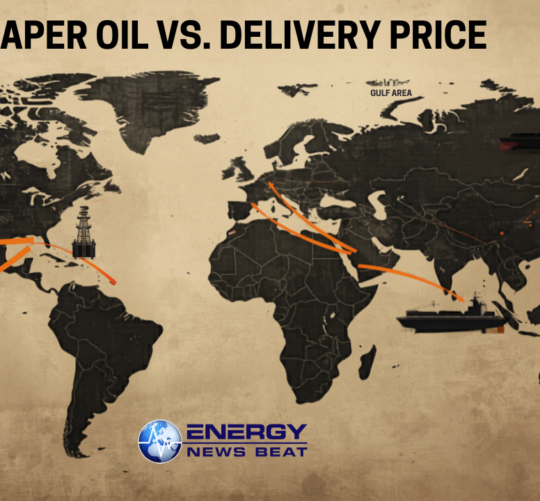
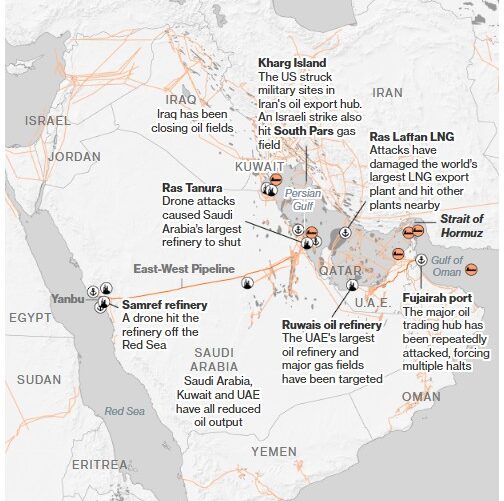
The 2026 Iran conflict, which escalated in late February with U.S.-Israeli strikes and Iranian retaliation—including the effective closure of the Strait of Hormuz and attacks on energy infrastructure—has triggered the largest supply disruption in global oil market history. Nearly 20% of the world’s oil and significant LNG volumes have been taken offline, sending Brent crude […]

Continue Reading

Dallas Fed Impact Study of the 2026 Iran War on U.S. Inflation: A Scenario Analysis

As the 2026 Iran War continues to ripple through global energy markets—particularly with disruptions tied to the Strait of Hormuz—policymakers, energy producers, and consumers are closely watching the inflationary fallout. A timely new working paper from the Federal Reserve Bank of Dallas provides a rigorous, scenario-based framework for quantifying exactly how oil price shocks from […]

Continue Reading

President Trump Said Gas Prices May Stay Elevated Till the Midterms: A Deep Dive into the Iran War Unwind and Global Oil Market Realities

President Donald Trump’s recent comments on Fox News’ Sunday Morning Futures have sparked intense debate in energy circles. In the April 12, 2026 interview, Trump acknowledged that U.S. gasoline prices “could be the same or maybe a little bit higher” by the November midterm elections, despite earlier hopes for a quick resolution. This marks a […]

Continue Reading

U.S. Begins Clearing the Strait of Hormuz with Military Ships Passing Through

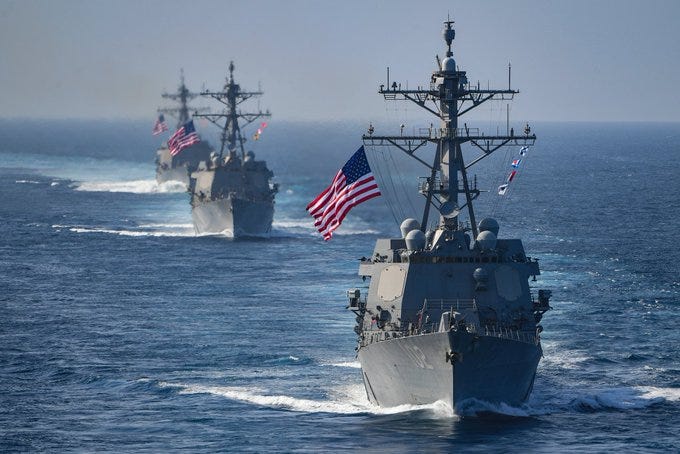
In a significant development for global energy security, the United States has initiated military operations to clear and secure the Strait of Hormuz, with U.S. Navy vessels now transiting the critical waterway amid ongoing tensions with Iran. This move comes as commercial shipping traffic remains a fraction of normal levels despite a fragile two-week ceasefire, […]

Continue Reading

220 Vessels Transited the Strait of Hormuz in March: A Deep Dive into Vessel Types, Cargo Destinations, Pipeline Bypass Volumes, and Global Fuel Export Bans

The Strait of Hormuz, one of the world’s most critical energy chokepoints, saw dramatically reduced maritime traffic in March 2026 amid ongoing regional tensions following U.S.-Israeli strikes on Iran and subsequent Iranian restrictions on shipping. According to data shared by MarineTraffic and analytics firm Kpler, a total of just 220 vessels transited the strait during […]

Continue Reading