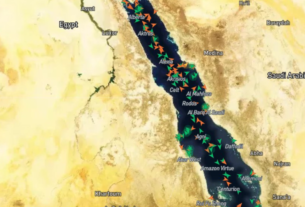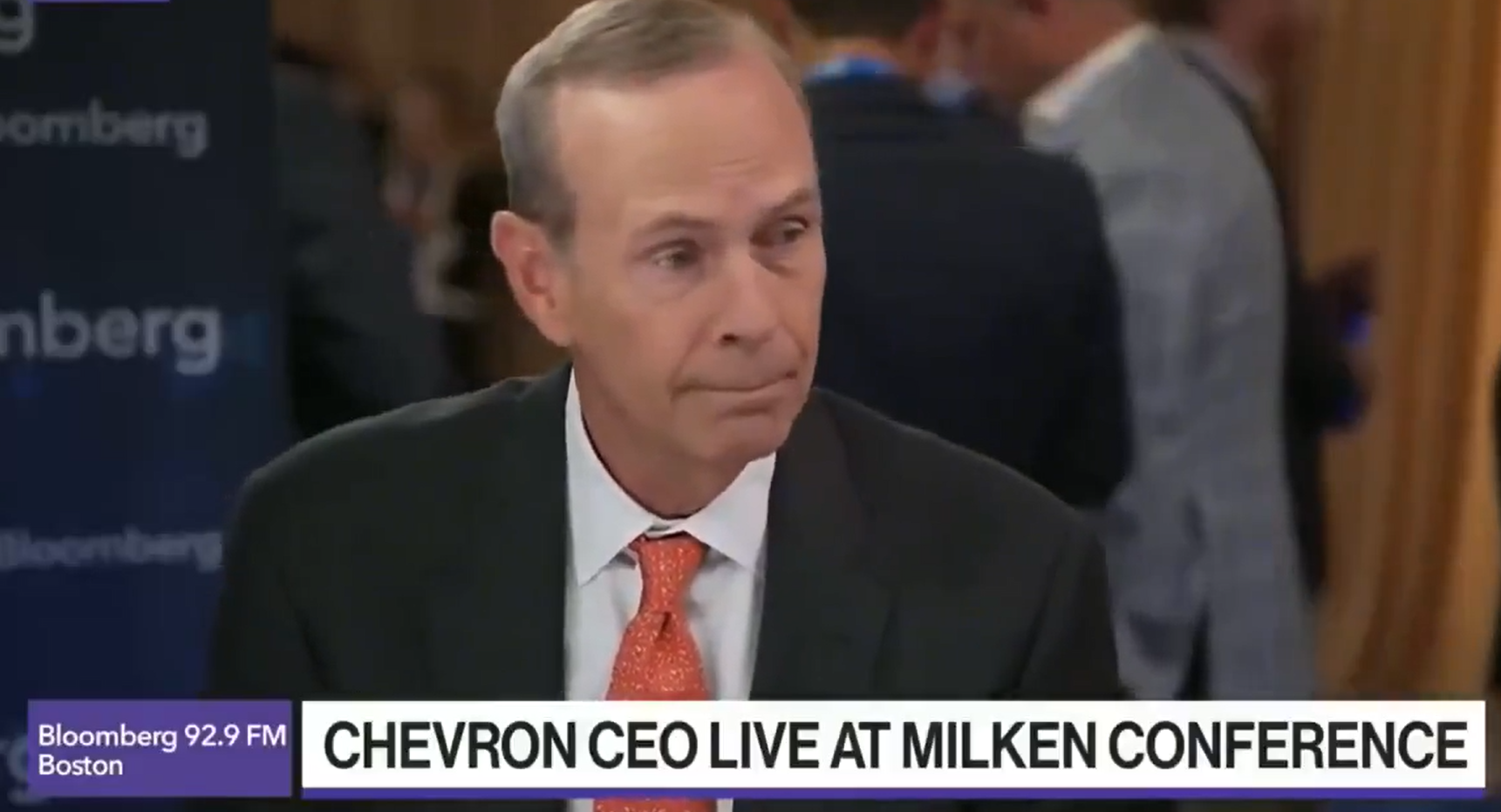
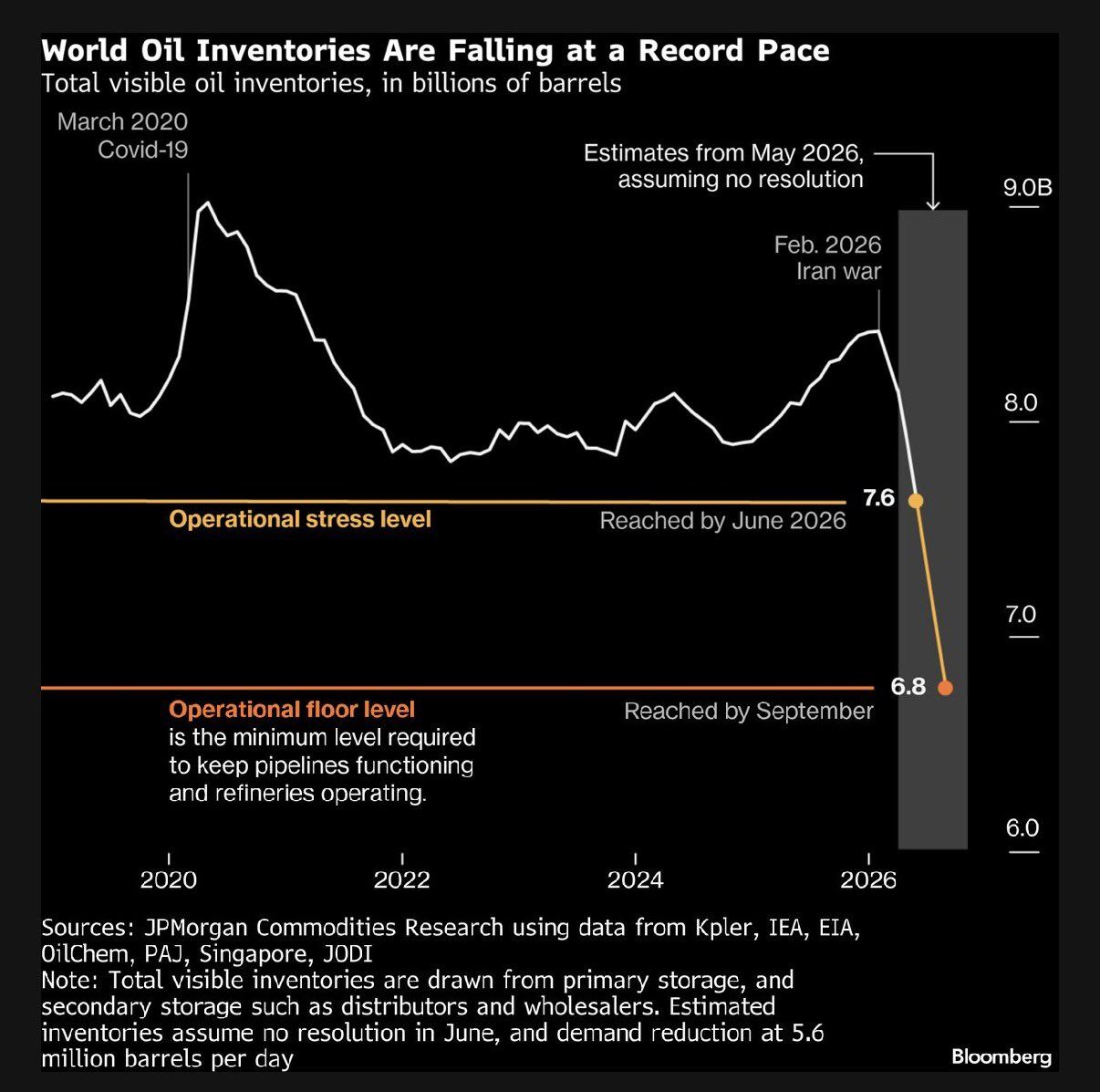
In a candid interview at the Milken Institute Global Conference, Chevron Chairman and CEO Mike Wirth delivered a sobering assessment of the global oil market: the industry’s traditional “shock absorbers” — commercial inventories in tanks, oil on tankers (including shadow fleet vessels), and strategic petroleum reserves — have been significantly drawn down in recent months amid ongoing disruptions from the closure of the Strait of Hormuz.
Wirth noted that these buffers, which normally help the system absorb shocks, are now “much less effective.” As a result, physical shortages are beginning to emerge, particularly in import-dependent regions. While the U.S. benefits from robust domestic shale production, Wirth emphasized that the global nature of the market means American consumers will still face upward price pressure at the pump.
Europe is already experiencing jet fuel tightness severe enough to cause flight cancellations, while Asian economies are implementing demand cuts and policies to stave off outright shortages. Wirth warned that the risk of actual supply outages is “much higher” abroad than in the United States.
The West Coast Reality: What the CEO Left Unsaid
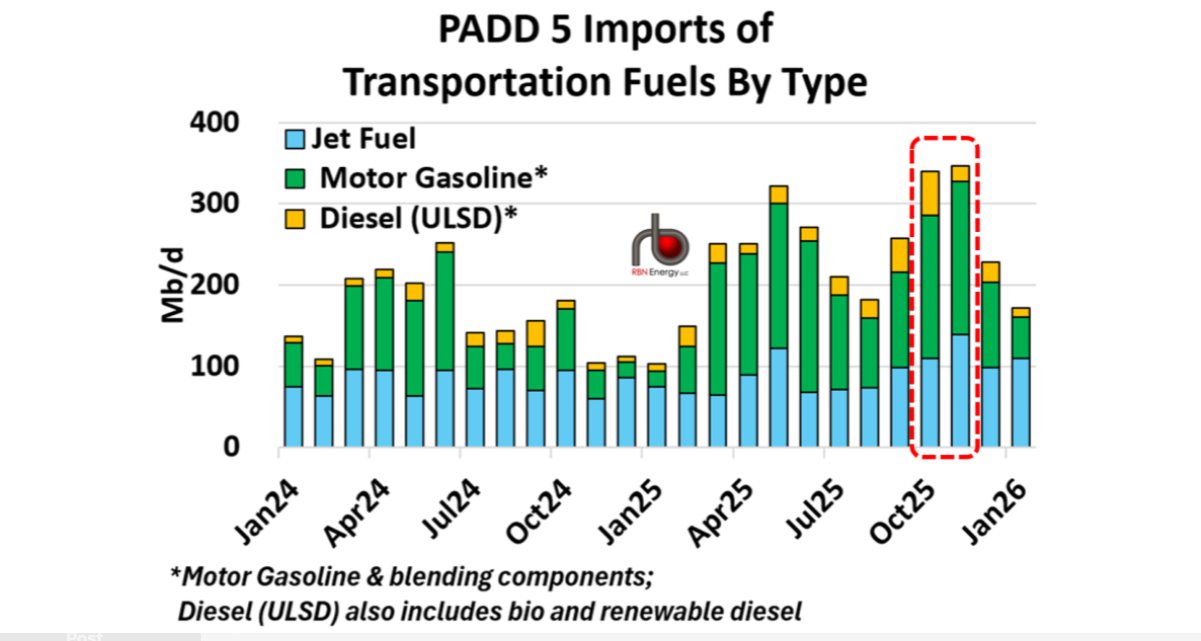
While Wirth highlighted the relative resilience of the U.S. overall, he did not address the acute challenges already materializing on the West Coast. California and the broader PADD 5 region (West Coast) have become increasingly dependent on refined product imports from Asia — particularly jet fuel, diesel, and gasoline — following multiple refinery closures that have slashed in-state capacity by approximately 17-20% in recent months.
Key losses include Phillips 66’s Los Angeles-area complex and Valero’s Benicia refinery in the Bay Area. These closures have forced California to source roughly 20% of its gasoline and a significant share of its jet fuel from Asian refiners.
However, those same Asian suppliers — facing their own crude shortages due to the Hormuz disruption — have sharply curtailed exports to the U.S. West Coast. Jet fuel cargoes from Asia to California have hit decade lows, with only one confirmed shipment in late April.
South Korea, historically providing up to 85% of the West Coast’s jet fuel imports, has dramatically slowed shipments as regional refiners prioritize domestic needs.
This combination of reduced domestic refining and collapsing Asian imports has left West Coast fuel inventories critically tight, setting the stage for higher prices and potential supply strains that are not yet as pronounced elsewhere in the country.
Regional Divide: Why the Midwest and East Coast Are Better Positioned
Unlike the West Coast, which operates as something of an “energy island” with limited pipeline connectivity to other U.S. refining hubs, the Midwest (PADD 2) and East Coast (PADD 1) draw heavily from Gulf Coast (PADD 3) production and have more diversified import options. These regions are far less reliant on trans-Pacific shipments from Asia and benefit from stronger domestic crude flows via pipelines.
As a result, analysts expect the Midwest and Eastern half of the U.S. to avoid the immediate and severe product-specific shortages now threatening California and the West Coast. While national gasoline prices are rising and inventories are drawing down, the structural vulnerabilities are most acute on the Pacific side.
Broader Market Context and Other Developments
The drawdown of global buffers comes as the Strait of Hormuz — through which roughly 20% of the world’s seaborne crude normally flows — remains effectively closed due to the ongoing U.S.-Israel conflict with Iran. This has triggered a scramble for alternative supplies, surging U.S. exports, and rapid depletion of both commercial and strategic stocks worldwide.
U.S. gasoline inventories are hovering near their lowest seasonal levels since 2014, while distillate stocks have reached multi-year lows. The Strategic Petroleum Reserve continues to see releases, further reducing available buffers.
Goldman Sachs and other analysts have echoed Wirth’s concerns, warning that the speed of inventory depletion could exacerbate price volatility and force demand destruction in vulnerable economies.
Looking Ahead
Wirth’s remarks serve as a reminder that even America’s energy dominance has limits in a global market under stress. While U.S. shale provides a meaningful cushion, the combination of geopolitical disruption, refinery closures, and tightening product flows — especially on the West Coast — underscores the need for vigilance.
Higher prices appear inevitable in the near term, with regional disparities likely to widen. Consumers on the West Coast may feel the pinch first and most acutely, while the rest of the country benefits from relatively stronger supply chains.
Energy News Beat will continue monitoring these developments closely.
Appendix: Sources and Links
- X Post by
@EnergyAbsurdity
(David Blackmon) sharing Bloomberg interview clip with Chevron CEO Mike Wirth: https://x.com/EnergyAbsurdity/status/2053444761835438531 (May 10, 2026) [post:0]
- Reuters: “Chevron CEO says physical shortages in oil supply will begin appearing” (May 4, 2026): https://www.reuters.com/business/energy/chevron-ceo-says-physical-shortages-oil-supply-begin-appearing-2026-05-04/ [web:25]
- Fox Business: “Chevron CEO warns of global oil shortages from Strait of Hormuz closure” (May 5, 2026): https://www.foxbusiness.com/economy/chevron-ceo-says-economies-are-going-have-slow-strait-hormuz-closure-disrupts-oil-supply [web:2]
- Bloomberg: “California Jet Fuel Imports From Asia Drop to Decade Low” (April 28, 2026): https://www.bloomberg.com/news/articles/2026-04-28/california-jet-fuel-woes-deepen-as-asia-flows-hit-decade-low [web:18]
- RBN Energy: “I Need More – California Refinery Closures, Persian Gulf Issues Strain PADD 5 Product Supply” (April 20, 2026): https://rbnenergy.com/daily-posts/blog/california-refinery-closures-persian-gulf-issues-strain-padd-5-product-supply [web:12]
- Fortune: “California’s oil and jet fuel supply is getting slammed by a perfect storm” (April 24, 2026): https://fortune.com/2026/04/24/fuel-shortages-iran-war-spread-california-west-coast-help-years-away/ [web:35]
- Institute for Energy Research: “Refinery Closures Increase California’s Reliance on Fuel Imports” (recent): https://www.instituteforenergyresearch.org/international-issues/refinery-closures-increase-californias-reliance-on-fuel-imports/ [web:23]
- Additional context from The Street, OilPrice.com, and EIA reports on inventories and regional supply dynamics.
All data and quotes drawn from publicly available reports and the referenced interview as of May 10, 2026.