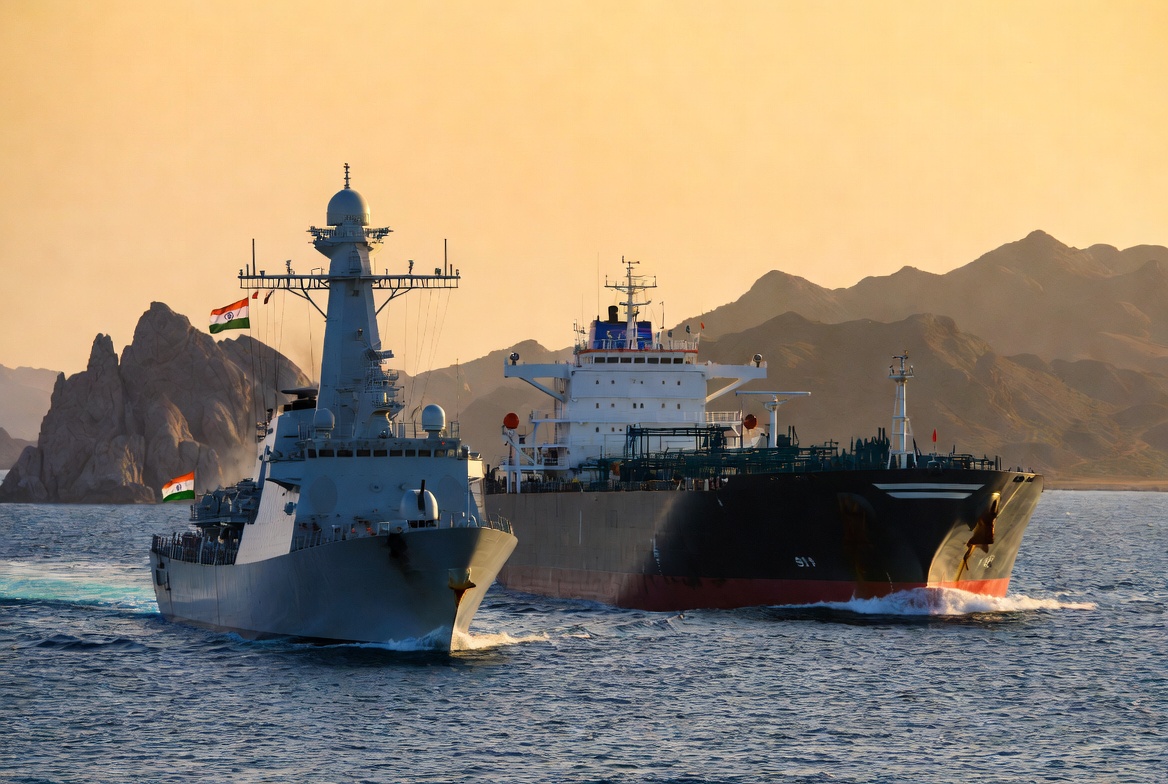
Global energy markets are fixated on the Strait of Hormuz once again. Amid the ongoing Iran conflict that has disrupted one of the world’s most critical chokepoints, India is preparing to send oil tankers through the strait to load energy cargoes from Middle East suppliers — the first such move since the conflict began.
According to people familiar with the matter cited by Bloomberg, plans are finalized. Indian vessels will begin attempting crossings once the government grants final approval. This development, reported on May 20, 2026, signals New Delhi’s determination to secure its energy lifelines through a combination of pragmatic diplomacy and growing naval muscle.
The Context: A Disrupted Lifeline
The Strait of Hormuz, the narrow waterway between Iran and Oman through which roughly 20% of global oil trade normally flows, has seen severe disruptions since the escalation of the US-Iran conflict earlier in 2026. Maritime traffic plummeted, with transits grinding to near zero at points. India, heavily reliant on Gulf energy (crude from the region, significant LNG from Qatar, and LPG), faced immediate risks to its energy security.
Rather than joining Western-led naval coalitions, India pursued a dual-track strategy: quiet diplomacy with Tehran (including high-level talks between Prime Minister Narendra Modi and the Iranian leadership) and enhanced naval deployments to protect its own flagged vessels. This approach yielded results. Several India-bound LPG and other tankers successfully transited or were escorted out, including vessels like Shivalik and others under layered security.
Now, the focus shifts to inbound tankers — ships heading into the Gulf to load new supplies. This is not just about resuming flows; it is about testing whether commercial traffic can cautiously restart without triggering broader escalation.
India’s Navy: Size, Capabilities, and Presence in the Gulf
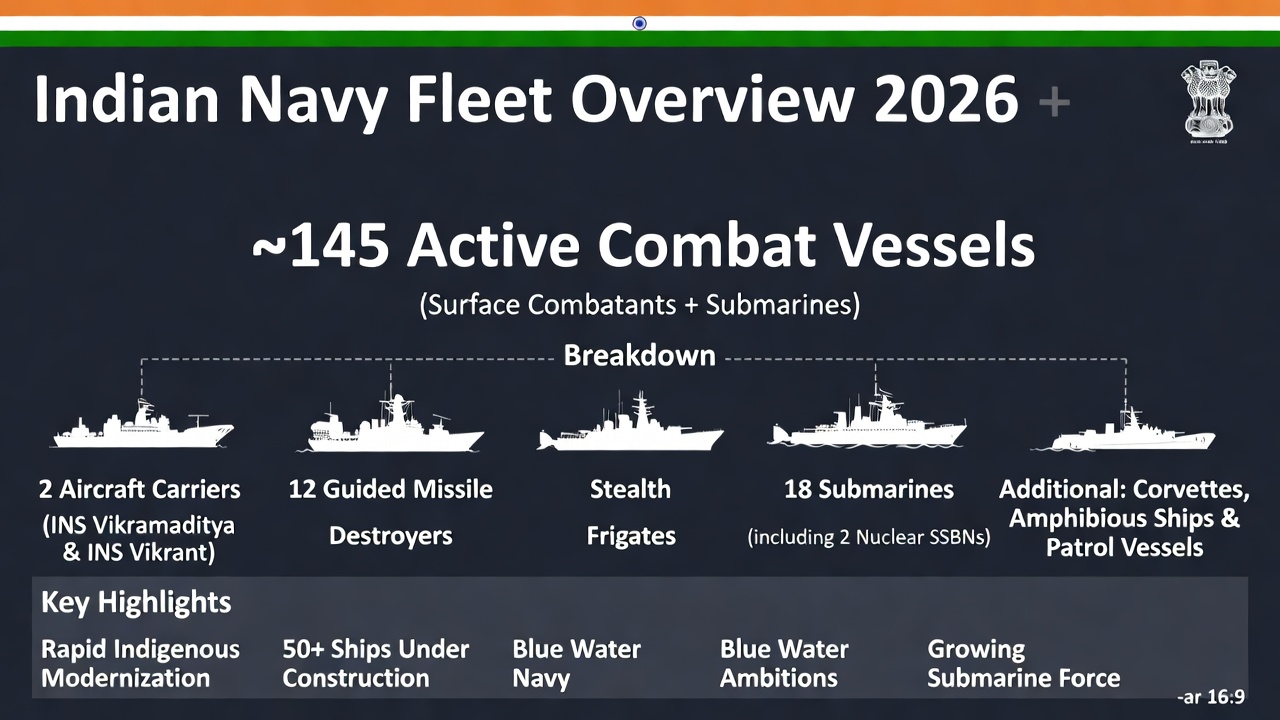
India’s navy has evolved into a capable blue-water force with strong regional influence in the Indian Ocean Region (IOR). As of late 2025/early 2026:Total strength: Approximately 145 surface combatant vessels and submarines (core combat fleet). Broader inventories, including auxiliaries and smaller vessels, push higher. The navy operates around 2 aircraft carriers, 11–13 destroyers, 15–16 frigates, and roughly 16–19 submarines (including 2 nuclear-powered ballistic missile submarines of the Arihant class).
Rapid modernization: Dozens of ships are under construction. India plans significant inductions in 2026 (reports of up to 19 warships in a single year) and aims for 155–160 warships by 2030, 175–200 by 2035, and potentially up to 230 by 2037. Emphasis is on indigenous builds, stealth frigates, destroyers armed with BrahMos supersonic missiles, and expanding submarine capabilities.
In the Gulf/Hormuz theater specifically:
India does not maintain a massive permanent fleet inside the narrow strait (logistically challenging and high-risk due to Iran’s asymmetric capabilities — mines, speedboats, coastal missiles, and drones). Instead, it has surged assets under long-standing Operation Sankalp (launched 2019 for maritime security in the Gulf region) and the more recent Operation Urja Suraksha (Energy Security), activated amid the 2026 crisis.
Reports indicate deployments of 3 to more than 5–6+ frontline warships (destroyers and frigates, plus support vessels) in the Gulf of Oman and Arabian Sea. These provide monitoring, guidance, and escort for India-bound vessels after they exit the strait, creating a layered security grid. Indian naval assets have successfully supported multiple transits without entering the strait itself in many cases.
Capabilities relevant here:
Modern surface combatants with advanced sensors, air defense (Barak systems), anti-submarine warfare helicopters, and strike options.
Carrier-based air power (from INS Vikrant and INS Vikramaditya) for potential overwatch, though distance from Indian bases limits sustained high-tempo operations far to the west.
Experience from years of anti-piracy and maritime security patrols in the IOR.
Strong surveillance and coordination with merchant vessels.
This is not a US-style carrier strike group presence, but it is sufficient for protecting national-flagged assets when paired with diplomacy. India has avoided overstretch while demonstrating resolve.
Catalyst for Movement — or Spark for Iranian Attack?
More catalyst than spark, based on current dynamics.
India’s approach has already proven partially effective. Diplomacy with Iran (leveraging historical ties, Chabahar port cooperation, and trade interests), combined with a visible but non-provocative naval presence, has enabled limited safe passages. Iran has reportedly shown selectivity, facilitating vessels from India, China, and Russia at times while restricting others. Sending tankers to load new supplies builds on this foundation. It signals commercial normalcy, could encourage suppliers in the Gulf (Saudi Arabia, UAE, Iraq, etc.), and tests whether broader traffic can resume without major incident.
The Indian Navy’s deployments provide credible deterrence for Indian assets and reassurance to shippers. Successful prior escorts (even if limited) build confidence. A measured resumption could help ease global supply pressures and demonstrate that pragmatic actors can navigate the chokepoint.
However, risks remain real. The Strait’s geography favors the defender (Iran) for asymmetric attacks. Any perception that Indian moves align too closely with Western interests, or a broader escalation in the conflict, could invite harassment, mining, or drone/missile threats. India’s ships are capable but operating at extended range; numbers in the immediate area are limited compared to a full convoy escort scenario. An incident involving an Indian tanker would be a major test.
Critically, India’s strategic autonomy — refusing to fully join anti-Iran coalitions while maintaining engagement with Tehran — reduces the likelihood of targeted attacks on its vessels compared to Western-linked shipping. This pragmatic posture is likely why some transits succeeded earlier.
Broader Implications
For global oil markets, even partial resumption of Indian tanker traffic through Hormuz could ease some tightness, though volumes and timing remain unclear pending final approvals. India’s move underscores its rising role as a net security provider in the IOR and a key swing player in energy geopolitics.
It also highlights the limits of naval power alone in such a contested space. Success will depend heavily on continued backchannel diplomacy alongside naval overwatch. If managed well, this could serve as a model for other nations seeking energy security without full entanglement in great-power rivalries.
The world is watching — not just for the tankers, but for what India’s balancing act reveals about navigating 21st-century chokepoint crises.
Appendix: Sources and Links
- Bloomberg original article: “India Prepares to Send Oil Tankers Through Hormuz for New Supply” (May 20, 2026) — https://www.bloomberg.com/news/articles/2026-05-20/india-prepares-to-send-oil-tankers-through-hormuz-for-new-supply
- Economic Times mirror/summary: https://m.economictimes.com/industry/energy/oil-gas/india-prepares-to-send-oil-tankers-through-hormuz-for-new-supply/articleshow/131216651.cms
- Times of India coverage: https://timesofindia.indiatimes.com/business/india-business/india-plans-to-send-oil-tankers-through-strait-of-hormuz-for-new-supply-amid-iran-conflict-disruptions/articleshow/131221651.cms
- Wikipedia – Future of the Indian Navy (fleet size, plans): https://en.wikipedia.org/wiki/Future_of_the_Indian_Navy
- Wikipedia – List of active Indian Navy ships: https://en.wikipedia.org/wiki/List_of_active_Indian_Navy_ships
- Times of India – Op Urja Suraksha deployments (March 2026): https://timesofindia.indiatimes.com/india/op-urja-suraksha-navy-deploys-5-warships-to-guide-cargo-vessels-exiting-troubled-strait-of-hormuz/articleshow/129813914.cms
- ORF America analysis on Indian Navy role in Hormuz region: https://orfamerica.org/orf-america-comments/indian-navy-regional-security-strait-of-hormuz
- Wikipedia – Operation Sankalp: https://en.wikipedia.org/wiki/Operation_Sankalp
- Additional deployment reports from The Maritime Executive, Firstpost, and others referencing 3–6+ warships in Gulf of Oman under Sankalp/Urja Suraksha.
All information was synthesized from publicly available reporting as of May 20, 2026. Developments in this fast-moving situa