Net Zero has hit the Bank of England, and they cut all support for coal. But the rest of the world increases use of coal and low-cost energy.

The Bank of England is moving further away from thermal coal. From October 2026, it will no longer accept bonds issued by companies deriving revenue from thermal coal mining as eligible collateral in its lending operations. Commercial banks borrowing from the Bank (including major UK institutions) will not be able to post those bonds. The […]

Continue Reading
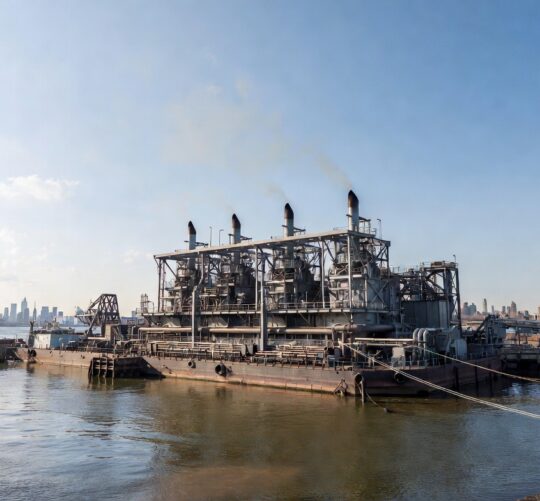
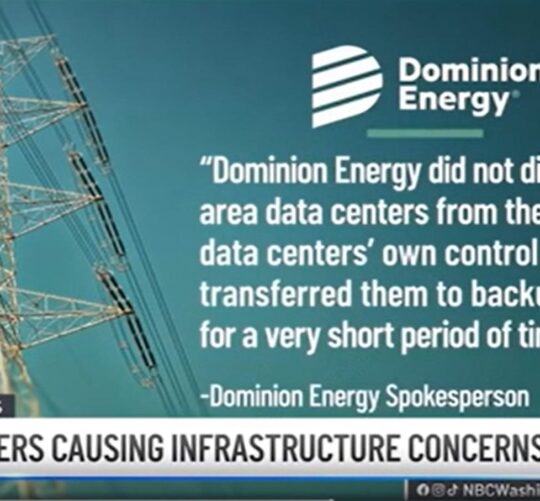
Texas Holding Consumers Hostage for $33 B in a High-Voltage Heist

Texas ratepayers are on the hook for a $33 billion high-voltage transmission expansion that critics call a classic power grab—funneling guaranteed returns to transmission monopolies, condemning thousands of acres of private land, and primarily enabling more intermittent wind and solar that many of today’s assets won’t economically or physically outlast another decade. The Electric Reliability […]

Continue Reading

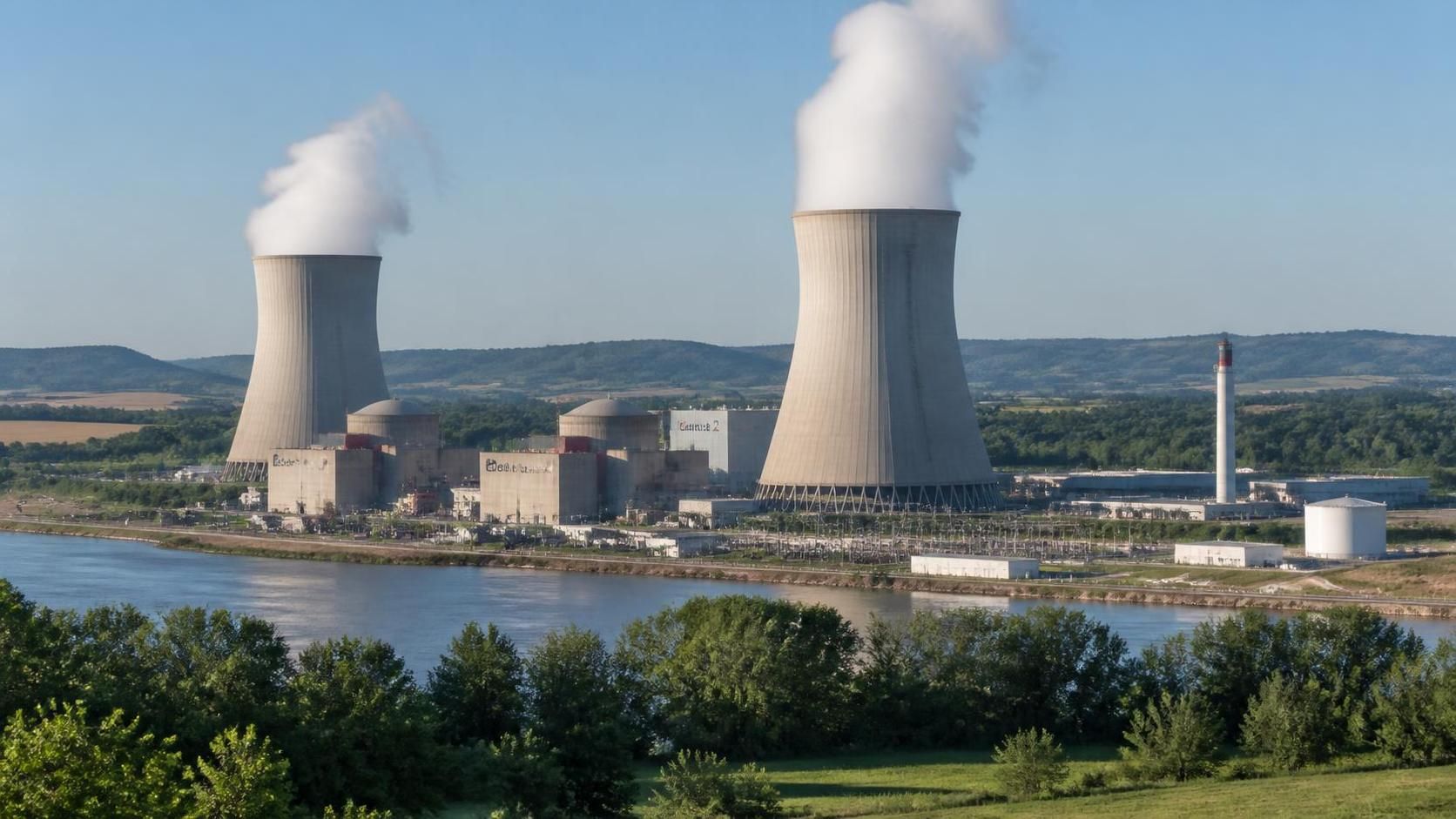
France Shuts Off More Nuclear Power as Heat Builds Across Europe, Sparking an Energy Domino of Failures

Electricité de France (EDF) has shut down the Golfech-2 nuclear reactor in southern France as a blistering heatwave drives temperatures toward 40°C across parts of Europe. This is the latest in a record number of heat-related outages hitting France’s nuclear fleet this summer, curbing output from what remains the backbone of Europe’s electricity system. EDF […]

Continue Reading

US Crude Oil Inventories Decreased by 7.2 mb to 404.5 mb

The U.S. Energy Information Administration (EIA) released its Weekly Petroleum Status Report on July 29, 2026, covering the week ending July 24, 2026. Commercial crude oil inventories (excluding the Strategic Petroleum Reserve) fell by 7.2 million barrels (precisely 7.167 million barrels) to 404.5 million barrels. This marked a sharp draw that far exceeded market expectations […]

Continue Reading

The Misconception of California’s Lower Demand for Gasoline and Diesel Sparks Debate

California’s energy debate often rests on a convenient narrative: gasoline and diesel demand is falling, so aging refineries can—and should—simply close. A recent CalMatters commentary by Ranjit Deshmukh, an environmental studies associate professor at UC Santa Barbara, advances exactly this view. Titled in essence “Aging oil refineries don’t need more public dollars. California should let […]

Continue Reading