This article first ran yesterday on the Energy News Beat Substack.
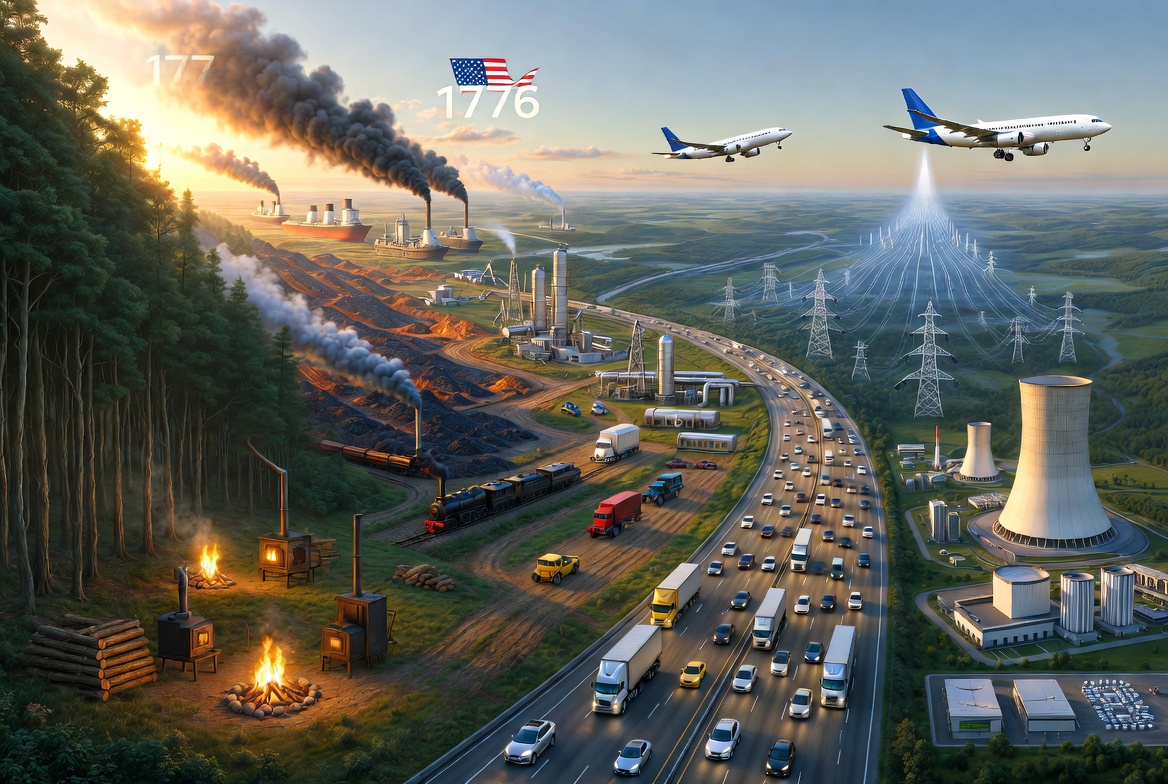
From the wood fires that warmed homes and fueled early industry in 1776 to the sophisticated mix powering AI data centers, electric vehicles, and global exports today, energy has been the invisible backbone of American prosperity, innovation, and geopolitical strength.
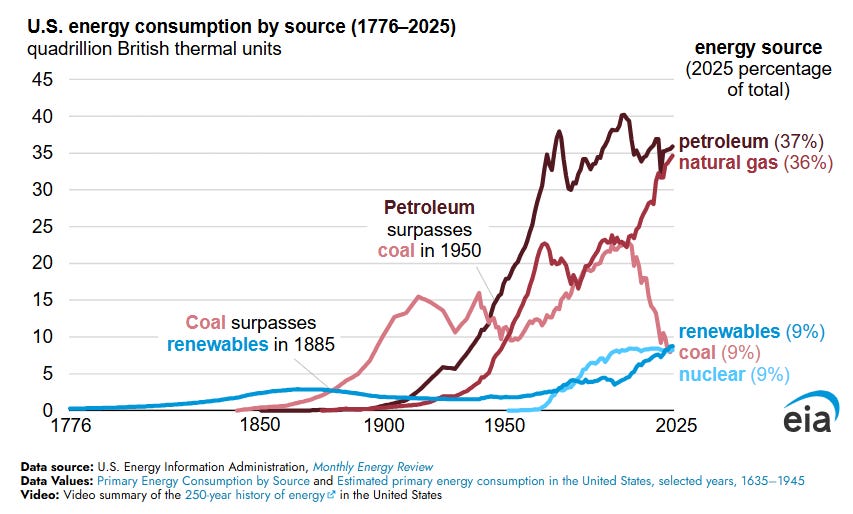
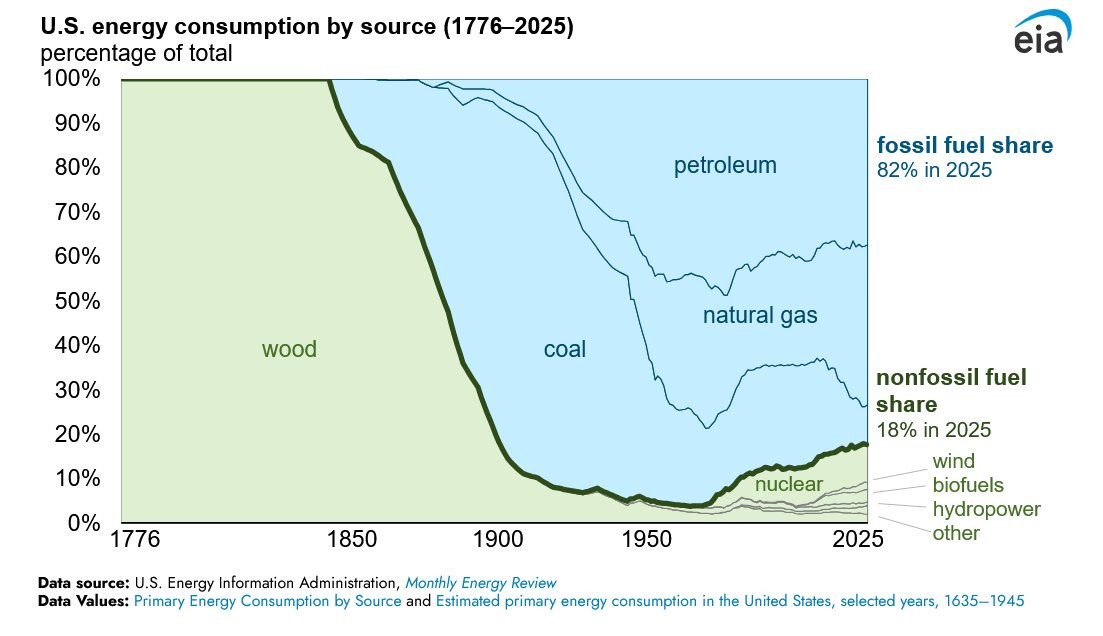
The U.S. Energy Information Administration’s landmark visualization of primary energy consumption from 1776 to 2025 tells this story vividly in one chart.
In 1776, wood dominated. Coal overtook renewables (then mostly wood and early hydro) around 1885, fueling railroads, steel mills, and the Industrial Revolution. Petroleum surpassed coal in 1950, transforming transportation, chemicals, and modern life. Natural gas rose steadily, becoming a powerhouse. Nuclear and modern renewables entered later, with dramatic shifts in recent decades.
Here is another chart from the EIA showing how wind played.
Current U.S. Energy Mix (2025)According to the latest EIA data:Petroleum:
35.9 quadrillion Btu (37%)
Natural gas: 34.6 quadrillion Btu (36%)
Renewables: 8.8 quadrillion Btu (9%)
Coal: 8.7 quadrillion Btu (9%)
Nuclear: 8.2 quadrillion Btu (9%)
Total primary energy consumption: 96.2 quadrillion Btu.
Fossil fuels still provide the overwhelming majority (~82%), delivering affordable, reliable, dense energy that underpins the world’s largest economy. Renewables and nuclear together supply the remaining 18%, with wind and solar growing rapidly while nuclear and hydro remain steady.
How America Leveraged Its Natural Resources
The United States has been uniquely blessed with vast, accessible resources — and we have repeatedly innovated to unlock them.
Coal got us started. Abundant Appalachian and Midwest seams powered the 19th-century industrial takeoff: steam engines, railroads, factories, and early electricity. It dominated from the 1880s until mid-century.
California was an oil pioneer and innovator. Oil was discovered in California as early as the 1860s. By 1903, the state became America’s top oil producer, trading the lead with Oklahoma into the 1930s. Massive fields in the Los Angeles Basin and Kern County (including Midway-Sunset) drove early drilling, pipeline, and refining technology. Edward Doheny’s 1892 Los Angeles strike helped spark the modern industry. California’s early leadership in oil extraction, transportation, and refining helped build the state’s economy and contributed to national mobility and industrial might.
The shale revolution changed everything. Starting in the mid-2000s, the combination of hydraulic fracturing (“fracking”) and horizontal drilling unlocked tight shale formations (Barnett, Marcellus, Permian, Bakken, Eagle Ford). U.S. oil production surged from ~5 million barrels per day to over 13 million. Natural gas production made the U.S. the world’s top producer and LNG exporter. America achieved net energy exporter status, strengthened energy security, created hundreds of thousands of jobs, and delivered lower prices that benefited consumers and industry.
The Nuclear Story: Rise, Setback, and Revival
The U.S. built one of the world’s largest nuclear fleets in the 1960s and 1970s — a symbol of technological optimism and “Atoms for Peace.” By the late 1970s, we had nearly 100 reactors operating or under construction.
Then came Three Mile Island Unit 2 on March 28, 1979. A combination of equipment failure and operator error caused a partial core meltdown — the most serious U.S. commercial nuclear accident. No one was killed or injured by radiation. The plant’s sister unit (TMI-1) continued operating safely for decades.
However, the accident triggered intense public fear, sweeping new regulations, higher costs, construction delays, and cancellations. Dozens of planned reactors were scrapped. The industry entered a decades-long drought with almost no new construction until recently.
Today, nuclear is roaring back — driven by surging electricity demand from AI data centers, manufacturing reshoring, and the need for reliable, carbon-free baseload power. Constellation Energy is restarting the undamaged Three Mile Island Unit 1 (now called the Crane Clean Energy Center) under a 20-year power purchase agreement with Microsoft to power its data centers. The $1.6 billion project is ahead of schedule, targeting a restart in 2027 (originally 2028), supported by a $1 billion DOE loan. Other restarts (Palisades in Michigan) and new advanced-reactor/SMR projects are progressing.
We are hopeful for 3 new reactor start-ups in the next few days, and we have at least received confirmation that our interview with Secretary Chris Wright has been moved to the next step.
Update: U.S. Department of Energy Meets President Trump’s Goal, Delivers Third Advanced Reactor Criticality July 2, 2026
Very cool – update after I posted this yesterday. In a landmark achievement for America’s nuclear renaissance, the U.S. Department of Energy (DOE) announced that Deployable Energy’s Unity demonstration reactor successfully achieved criticality on June 30, 2026 (late yesterday), at Idaho National Laboratory (INL). This marks the third DOE-authorized advanced reactor to reach this milestone by the July 4, 2026, deadline set by President Donald Trump in his May 2025 executive order.
The U.S. is now the first country in history to achieve criticality in three unique advanced microreactor designs in a single month. The prior two were Antares Nuclear’s Mark-0 (June 4) and Valar Atomics’ Ward 250 (June 18). This fulfills a precedent-setting directive to reignite nuclear energy innovation and demonstrates the power of streamlined federal processes under the Trump Administration.idahostatejournal.com
Secretary of Energy Chris Wright, who visited the Unity site last week, stated: “Last week, I had the opportunity to see the Unity demonstration reactor firsthand and meet with the talented teams from Deployable Energy, INL, and DOE whose work made this historic moment possible on the eve of our nation’s 250th anniversary. America’s nuclear renaissance is underway because of President Trump’s bold vision and ambitious goals.
China Is Surging Ahead in Nuclear — A Wake-Up Call
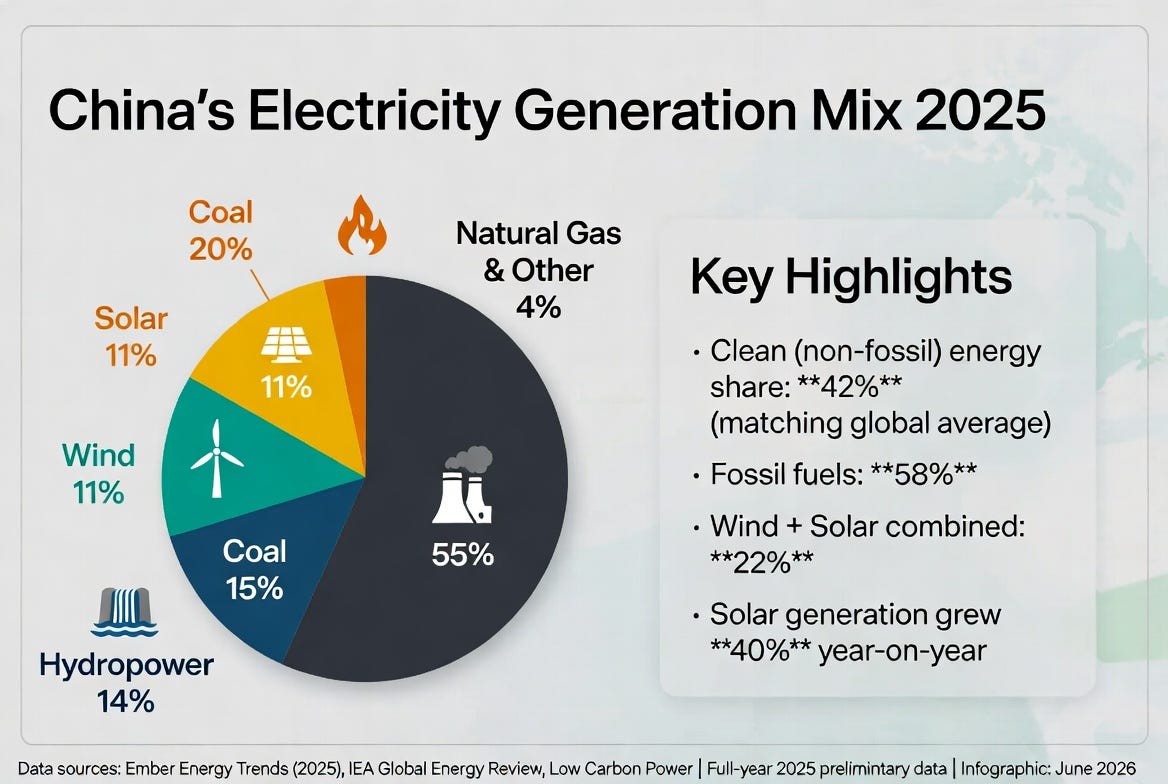
While the U.S. stalled, China has been building aggressively. As of mid-2026, China has ~60 operating reactors (~58.7 GW) and 36 reactors under construction — nearly half the world’s total. The U.S. still leads with 96 operating reactors (~97 GW capacity), but China’s rapid addition of capacity positions it to close the gap dramatically in the coming decade and potentially surpass the U.S. in new nuclear generation.
This is not just about climate goals — it’s about industrial power, data center dominance, and energy security.
The Cost of Regulatory and Political Burdens
History shows a clear pattern: When politicians and excessive regulation hamper energy development, America loses economic leadership.
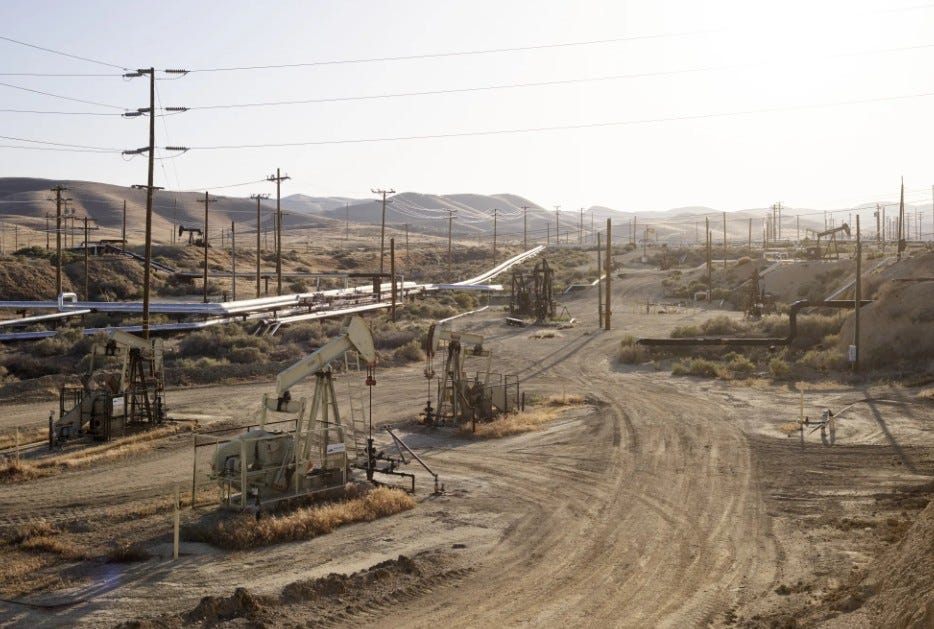
California’s oil sector, once a global innovator, now faces refinery closures, strict drilling restrictions, and some of the highest energy prices in the country — contributing to higher costs for residents and businesses.
California Annual New Drill Permits (New Wells)
Breakdown from CalGEM data analyzed by groups such as FracTracker Alliance, Consumer Watchdog, and Newsom Well Watch (sourced directly from CalGEM’s WellSTAR database and weekly permit reports):
- 2019: 2,366
- 2020: 1,981
- 2021: 553
- 2022: 551
- 2023: ~25 (sources vary slightly between 24–31; one analysis cites 25)
- 2024: 73
- 2025: 17
For 2016–2018 (earlier part of the last 10 years): Exact annual figures are less commonly aggregated in recent public analyses, but numbers were significantly higher—generally in the low-to-mid thousands per year. Permitting rates for new drilling were consistent or increasing since 2016 and comparable to (or higher than) levels under the prior administration. From 2011 through the end of 2018, a total of ~23,618 new oil and gas well drilling permits were issued statewide (average ~2,950/year across those 8 years).
2026 (year-to-date, partial year as of mid-2026): Activity increased notably. One analysis reported 128 new drilling permits approved in the first two months alone (more than the combined total for all of 2023–2025). By late June 2026, CalGEM’s year-to-date permit report listed roughly 1,000 total permits issued (of all types), with new drill permits making up a substantial portion (estimates from partial data suggest on the order of 100+ new drills early in the year, with continued activity). And the legislation allocated 2,000, so they are moving in the right direction, but not enough to save the industry.
Nationally, lengthy NEPA permitting processes, shifting environmental rules, and local opposition have delayed pipelines, LNG terminals, transmission lines, and power plants for years — sometimes killing projects entirely. The result? Higher energy costs, lost investment, and the offshoring of energy-intensive industries.
We saw the same dynamic with manufacturing and shipbuilding: high domestic costs (energy, labor, regulation) pushed production overseas to places with cheaper, more reliable energy. Now we are spending billions to reshore via CHIPS, IRA, and other policies — but success depends heavily on affordable, abundant, reliable energy.
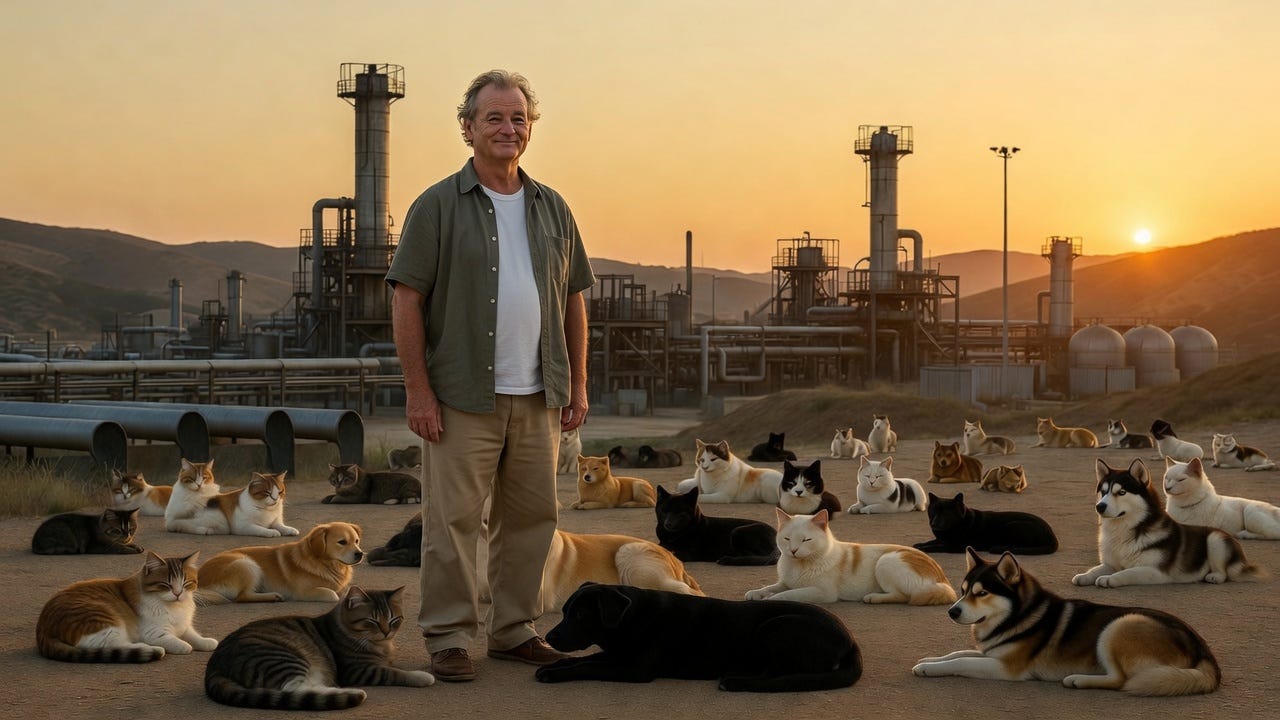
California still has 6 of the 7 remaining refineries set to shut down, which will put it at a national security risk of biblical proportions. Like Cats and dogs sleeping together type. Grok AI gave me fits trying to explain this joke, but here is the least offensive one. As we have talked about on the Energy News Beat Podcast with great California leaders like Steve Hilton, Mike Umbro, Ronald Stien, Mike Ariza, Professor Mische, and Katy Grimes, Editor in Chief, at the California Globe.
Countries and states with high energy costs simply cannot lead in manufacturing, data centers, petrochemicals, steel, aluminum, or advanced computing. Data centers alone are projected to add massive new electricity demand; they need 24/7 power that intermittent sources alone cannot reliably provide without enormous overbuild and storage.
Low-cost, abundant energy is a strategic advantage — just as it was when coal powered our rise and shale delivered energy dominance.
The Path Forward
America’s 250-year energy story is one of resource abundance met with Yankee ingenuity. We have repeatedly adapted: from wood to coal to oil to shale to nuclear revival.
To secure the next 250 years:
Embrace an all-of-the-above strategy that includes oil, natural gas, nuclear, hydro, and renewables where they make economic sense.
- Streamline permitting without sacrificing safety.
- Accelerate nuclear restarts, SMR deployment, and uprates.
- Recognize that affordable energy is pro-growth, pro-innovation, and pro-national security.
The chart from 1776 to 2025 shows remarkable adaptability. The next chapter depends on whether we choose policies that unleash American energy or ones that constrain it.
Energy abundance built the United States. It can power our future — if we let it.
It has to start with the Save America Act – we have to have elections we can trust, or we get politicians that we can’t.
Get ready for an absolutely fantastic 4th of July.
Appendix: Sources and Links
- U.S. Energy Information Administration (EIA). “How has U.S. energy use changed since 1776?” (July 2, 2025) — https://www.eia.gov/todayinenergy/detail.php?id=65644
- EIA. “U.S. energy facts explained — consumption and production” (updated 2026) — https://www.eia.gov/energyexplained/us-energy-facts/
- EIA. U.S. energy consumption by source and sector, 2025 (PDF chart) — https://www.eia.gov/energyexplained/us-energy-facts/images/consumption-by-source-and-sector.pdf
- World Nuclear Association. “Three Mile Island Accident” — https://world-nuclear.org/information-library/safety-and-security/safety-of-plants/three-mile-island-accident
- EIA. “China’s nuclear power capacity nearly doubled since 2016” (June 2026) — https://www.eia.gov/todayinenergy/detail.php?id=67746
- World Nuclear Association. “Nuclear Power in the USA” — https://world-nuclear.org/information-library/country-profiles/countries-t-z/usa-nuclear-power
- History of oil in California (Wikipedia summary with primary references) and related historical sources.
- Various EIA Monthly Energy Review tables and production data (2025–2026 releases).
Additional reporting from Constellation Energy announcements, Nuclear Energy Institute, and industry analyses (2024–2026).Energy News Beat Channel — Delivering clear, fact-based analysis on the energy that powers America.