In a significant development tied to ongoing U.S.-Iran diplomatic efforts, the U.S. Treasury Department has issued temporary waivers suspending key sanctions on Iranian oil exports. This move, reported in connection with a preliminary agreement or memorandum of understanding from recent talks (including the Lake Lucerne Summit mediated by Pakistan and Qatar), allows Iran to resume sales of crude oil, petroleum products, and derivatives, along with associated services such as banking, insurance, and transportation.
The waivers are temporary—reports indicate they extend until around August 21, 2026, or align with a 60-day period for negotiating a broader final deal. This follows earlier short-term relief in March 2026 for oil already loaded on vessels (approximately 140 million barrels at sea) and comes amid commitments from Iran on reopening transit through the Strait of Hormuz and readmitting IAEA inspectors.
Recent Iranian Oil Shipments Through the Strait of Hormuz
The Strait of Hormuz remains a critical chokepoint, normally handling around 20 million barrels per day (mb/d) of oil and products from multiple Gulf producers. Iranian exports had plummeted to multi-year lows (near zero for crude in May 2026) due to a U.S. naval blockade and conflict-related disruptions earlier in the year.
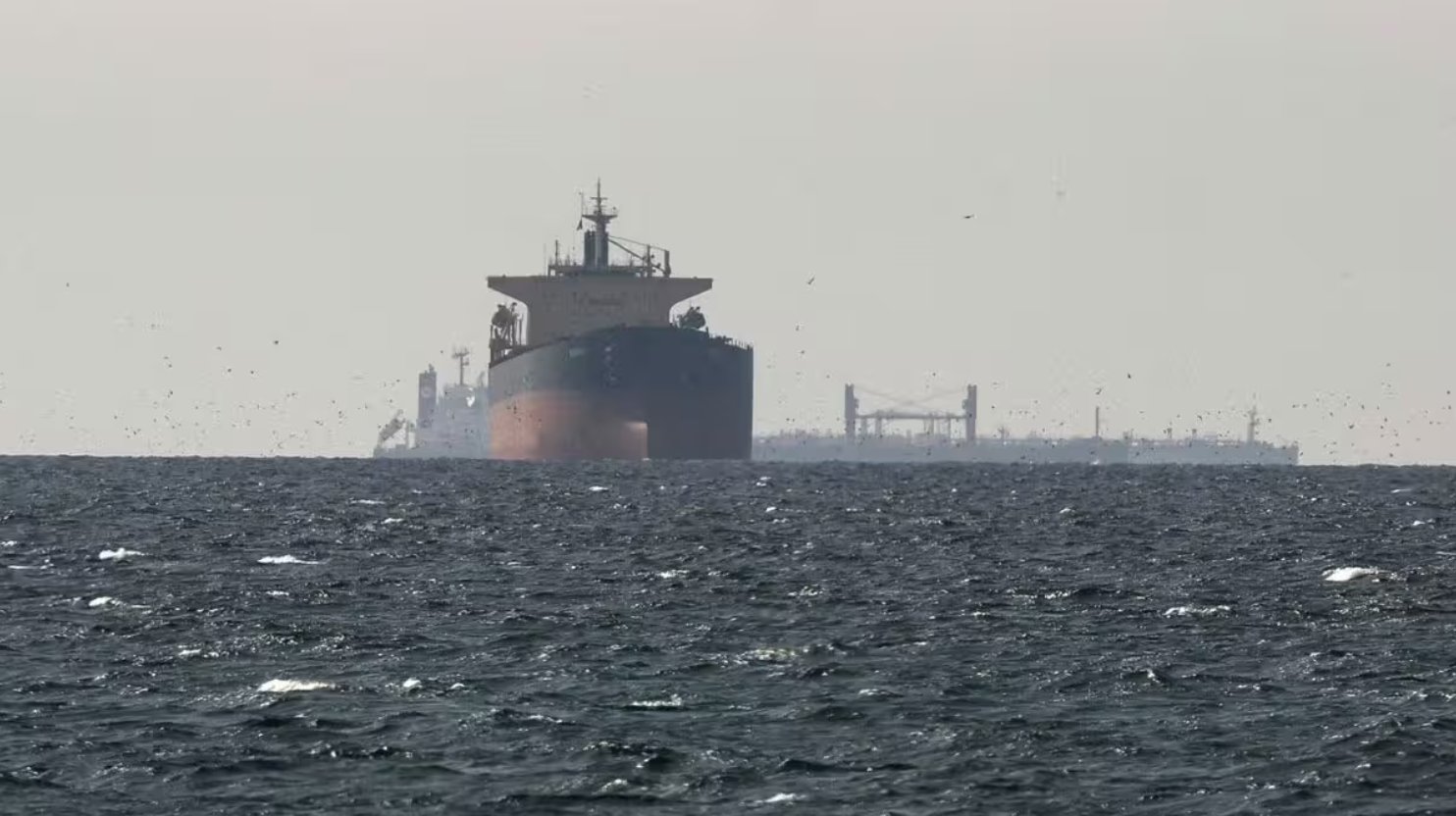
In the past week (mid-to-late June 2026), activity has surged following the interim agreement and blockade lift. Shipping data shows Iran ramping up open exports through the strait to the highest levels since the conflict began. Key recent loadings include approximately 6 million barrels on three U.S.-sanctioned supertankers (Elva, Virgo, and Vigor) that entered the strait from Iran’s main export terminal at Kharg Island early on June 22. These vessels are reportedly heading toward waters off Singapore for potential ship-to-ship transfers, with China as the likely ultimate destination.
Additional recent exports of around 20 million barrels have also been noted from Chabahar on the Gulf of Oman. Broader tanker traffic through Hormuz has rebounded sharply, with dozens of transits in recent days as production restarts and global market access resumes.
These figures represent a sharp turnaround from May 2026 lows (Vortexa estimated ~209,000 bpd; other trackers showed even lower crude volumes). Pre-conflict peaks saw Iranian exports occasionally exceeding 1.5–1.9 million bpd in early 2026.
Potential Buyers and Revenue Streams
China remains by far the dominant buyer of Iranian oil, historically accounting for ~90% of Tehran’s exports (often via independent “teapot” refineries in Shandong and elsewhere, purchased at steep discounts through shadow fleets). Chinese imports of Iranian crude have been a cornerstone of bilateral ties under the 25-year cooperation agreement.
With sanctions relief, Iran could access broader markets, command higher prices (previously heavily discounted), and receive payments in major currencies rather than workarounds like RMB. This expands buyer options beyond China and reduces reliance on clandestine shipping.
Revenue potential: Brent crude traded around $78 per barrel as of June 22, 2026. Iranian oil has typically sold at discounts of $10–20+ per barrel under sanctions pressure. For the recent ~6 million barrel shipments alone, gross value could reach several hundred million dollars (depending on realized prices and fees). Resumption toward historical levels of 1+ million bpd could generate tens of billions annually for the Iranian government at current prices—funds historically directed toward the state budget, IRGC/military spending, and regional activities.
Is This a Net Positive? Geopolitical and Economic Analysis
Short-term benefits for global energy markets: The influx of Iranian supply helps ease pressures from earlier Strait of Hormuz disruptions and conflict-related outages. More barrels on the water can stabilize or modestly lower prices, benefiting consumers, importers, and inflation control worldwide—especially after spikes tied to the earlier conflict.
Longer-term risks and concerns: Critics argue the relief primarily funnels money to the Iranian regime and its proxies (e.g., support for groups like Hezbollah, Houthis, and others). U.S. officials have previously highlighted how oil revenue sustains Iran’s military capabilities, nuclear program, and destabilizing regional activities. Similar past waivers drew sharp rebukes for potentially “gifting” windfalls to Tehran.
Benefits to the Iranian people? Direct gains for ordinary Iranians appear limited. Oil revenues flow through the central government and are heavily allocated to security forces, subsidies, and regime priorities rather than broad-based development or poverty alleviation. Historical patterns under sanctions relief show elite and IRGC-linked entities capturing disproportionate benefits, while the broader economy suffers from mismanagement, corruption, and external pressures. Some indirect relief (e.g., via oil-sector jobs or increased imports) is possible but unlikely to transform living standards quickly.
Diversion to weapons programs or third parties? Significant portions could indirectly support Iran’s military-industrial ties. Iran maintains documented cooperation with North Korea on missiles and related technology; oil revenue provides hard currency that could facilitate such exchanges. China benefits economically as the primary buyer (securing discounted or stable supply) and has deeper strategic ties with Tehran, potentially including dual-use goods or investment. While there is no direct “payment for weapons” pipeline in every transaction, the revenue stream strengthens Iran’s position to pursue these partnerships.
Overall, this represents a diplomatic gamble: short-term energy market stabilization and de-escalation versus empowering a regime with a track record of using oil wealth for military and proxy objectives. Success depends on enforcement of commitments (Hormuz access, nuclear transparency) and whether a final deal materializes within the 60-day window.
- New York Times (June 17, 2026): “U.S. Will Waive Oil Sanctions That Have Long Crimped Iran” – https://www.nytimes.com/2026/06/17/world/europe/us-iran-oil-sanctions.html
- Al Arabiya English / YouTube (June 22, 2026): LIVE report on suspending sanctions until August 21 – https://www.youtube.com/watch?v=4RVSl8XBH6A
- gCaptain / Bloomberg (June 22, 2026): “Iranian Crude Exports Surge Via Hormuz as Activity Picks Up” – https://gcaptain.com/iranian-crude-exports-surge-via-hormuz-as-activity-picks-up/
- Reuters (June 4, 2026): Iranian oil exports fall to lowest level in six years – https://www.reuters.com/business/energy/iranian-oil-exports-fall-lowest-level-six-years-data-shows-2026-06-04/
- Additional context from U.S. Treasury/OFAC statements, Vortexa/Kpler shipping data (via Reuters and industry reports), EIA/IEA on Hormuz flows, and contemporaneous coverage in The Hill, Politico, and others on the March and June 2026 waivers.
Note: Volumes are estimates based on tanker tracking and analyst reports (Vortexa, Kpler, United Against Nuclear Iran, etc.). Actual realized revenue depends on final sale prices, discounts, and fees. Developments remain fluid as talks continue. This analysis draws from publicly available reporting as of June 22, 2026. For the latest updates, monitor official Treasury announcements and reliable energy intelligence sources.