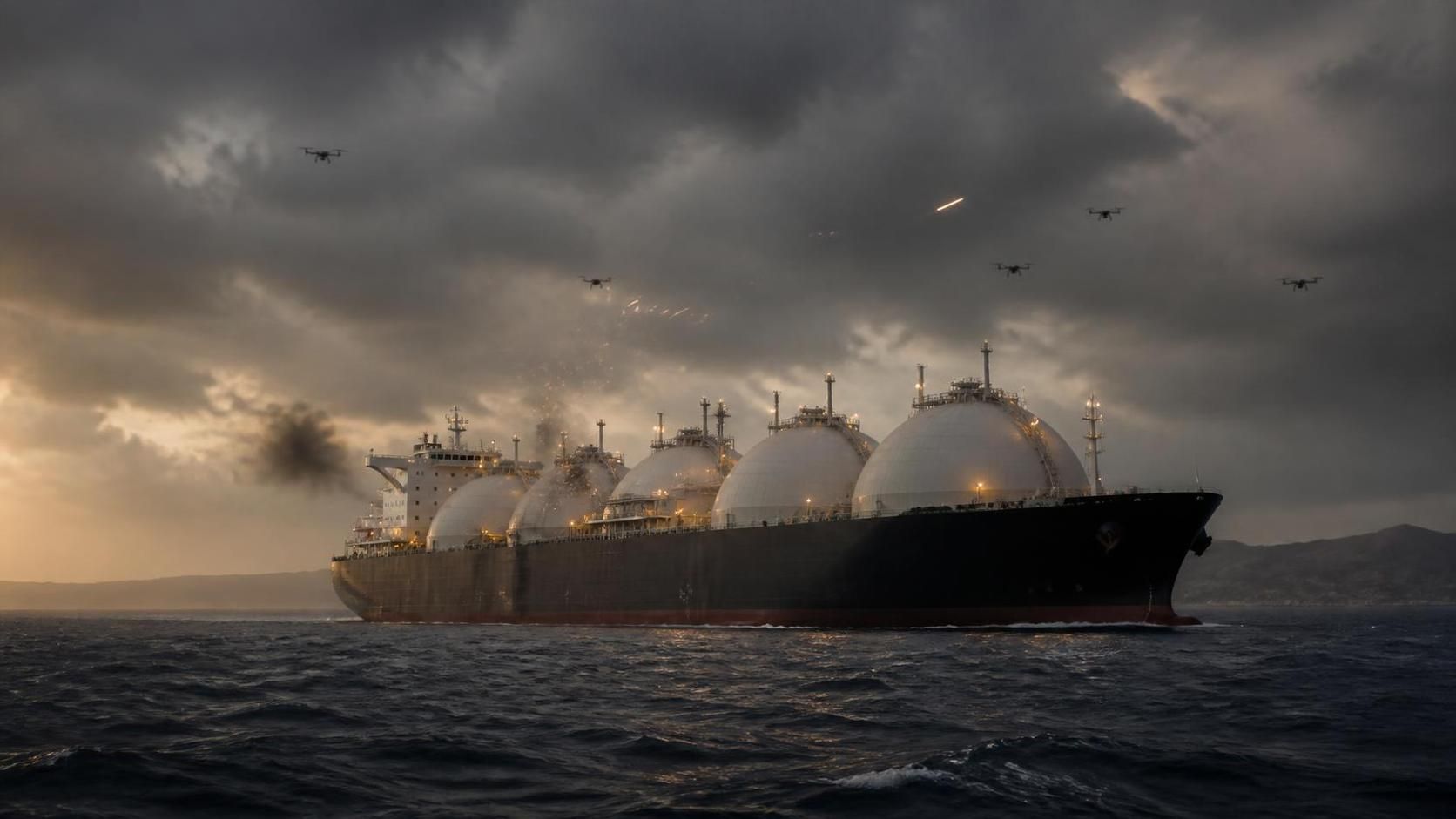
A liquefied natural gas (LNG) tanker loaded with Qatari cargo was struck by a projectile while transiting the Strait of Hormuz overnight, marking another escalation in attacks on critical energy shipping and raising fresh alarms about supply security for the world’s second-largest LNG exporter.
Security consultancies Vanguard Tech and Marisks identified the vessel as the Gaslog Shanghai, a Bermuda-flagged LNG carrier managed by Greece-based GasLog. The ship loaded its cargo in Qatar around July 27. Ship-tracking data from Bloomberg and Kpler showed it stopped transmitting AIS signals near the western entrance of the strait on July 31. The UK Maritime Trade Operations (UKMTO) reported a vessel was struck off the Omani coast overnight, with no environmental impact or pollution observed.
More precise details from maritime security sources place the strike at approximately 23:30 UTC on July 31, about 11 nautical miles northeast of Lima (Limah), Oman, while the tanker was outbound from the Gulf. The projectile hit the portside engine room, sparking a fire that was extinguished. The explosion and fire caused a blackout and loss of propulsion, leaving the vessel disabled and “not under command.” No injuries to the crew were reported.
Energy analyst Anas Alhajji highlighted the significance on X: “Why LNG?
I thought LNG carriers were a red line—until they got hit. A Greek tanker loaded with Qatari LNG crossed the Strait of Hormuz overnight with its AIS turned on… and was struck.” He noted that two days earlier another Qatari LNG tanker approaching Port Qasim in Pakistan made a sudden U-turn for unknown reasons, and that just days prior two LNG regasification ships were hit by drones at Egypt’s Damietta terminal.
This is not an isolated event. In early July, the Qatari LNG tanker Al Rekayyat was hit near Hormuz, prompting Qatar—the world’s second-largest LNG exporter—to pause shipments through the waterway for roughly three weeks. Traffic had only recently begun to resume, with vessels such as the Al Areesh making the transit under special arrangements. The Gaslog Shanghai is also the second GasLog-managed LNG carrier struck in recent days; the Gaslog Salem was hit by a drone at Damietta earlier this week.
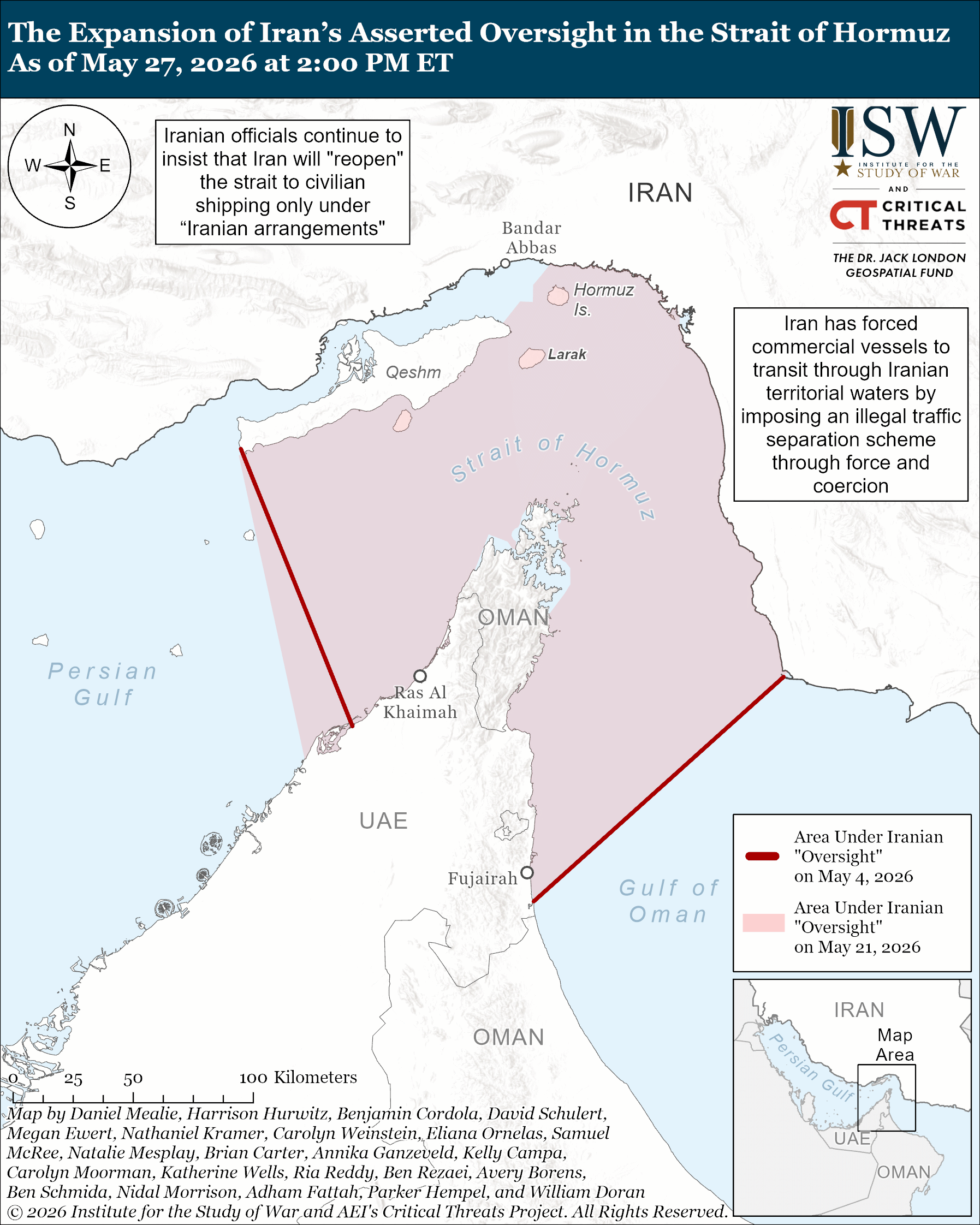
A separate UKMTO alert on Saturday reported another tanker witnessing an explosion in the water nearby without sustaining damage, underscoring the heightened threat level in the southern corridor of the strait—waters that Iran does not fully recognize as free for unrestricted transit.
Implications for Global LNG Markets
The Strait of Hormuz remains the sole viable maritime outlet for the overwhelming majority of Qatar’s LNG exports (over 90 percent) and accounts for roughly one-fifth of global LNG trade. Qatar supplies about 20 percent of worldwide LNG volumes. Repeated strikes on LNG carriers—once considered a relative “red line”—signal that the conflict has expanded beyond crude oil tankers into the super-chilled fuel segment that powers power plants, industry, and heating across Asia and Europe.
Immediate effects include:
- Higher war-risk insurance premiums and freight rates for any vessel attempting the transit.
- Greater reluctance by owners, charterers, and underwriters to risk LNG carriers in the waterway, potentially forcing further force-majeure declarations or cargo diversions.
- Tightening of an already constrained global LNG balance. With limited spare liquefaction capacity worldwide and no scalable alternative export route for Qatari volumes, any sustained interruption intensifies competition between Asian and European buyers for available Atlantic and Pacific cargoes.
- Elevated price volatility. Even short-term disruptions have previously driven spikes in spot LNG prices and redirected U.S. and other cargoes toward higher-paying markets.
The pattern of attacks—on both laden Qatari vessels and floating storage/regasification units (FSRUs) in Egypt—suggests a broadening “LNG war” dimension to the Middle East conflict, complicating efforts to restore reliable flows.
What This Means for the European Union
Europe enters this latest incident already facing a challenging summer for gas. June 2026 LNG imports declined, driven by lower U.S. deliveries and the loss of Middle East supplies linked to Hormuz disruptions. The EU must increase LNG imports by around 13 percent above 2025 levels to meet summer demand and achieve the 90 percent storage-fill target by November 1.
European storage injections have been slower than needed in some periods, and the bloc remains heavily reliant on LNG (now covering roughly half of total gas imports). Continued uncertainty or further interruptions to Qatari supply remove a key flexible source that Europe has used to balance its portfolio alongside U.S., Norwegian, North African, and other volumes.
This raises the risk of:
- Stronger competition with Asia for spot cargoes, potentially pushing European TTF prices higher.
- Greater dependence on U.S. LNG, which, while abundant, is often more expensive on a delivered basis and subject to its own logistical constraints.
- Pressure on storage-fill trajectories if summer buying remains subdued or if additional Middle East volumes stay offline.
In short, an already tight European gas market facing elevated summer import needs now confronts fresh geopolitical risk at one of the most critical chokepoints for non-U.S. LNG. The Gaslog Shanghai incident reinforces that safe passage through Hormuz cannot be taken for granted, with direct consequences for global price discovery and Europe’s ability to rebuild inventories ahead of the next winter.
The situation remains fluid. No party has publicly claimed responsibility for the latest strike, and commercial responses (insurance, routing decisions, and force-majeure notices) will determine how quickly—or whether—Qatari LNG flows normalize.
Appendix: Sources and Links
- Bloomberg: “Tanker Carrying Qatari LNG Struck While Transiting Hormuz” (August 1, 2026) – https://www.bloomberg.com/news/articles/2026-08-01/tanker-carrying-qatari-lng-struck-while-transiting-hormuz
(Also available via Yahoo Finance: https://finance.yahoo.com/energy/articles/tanker-carrying-qatari-lng-struck-102523607.html) - Anas Alhajji (@anasalhajji) X post, August 1, 2026: https://x.com/anasalhajji/status/2083521765842509825
- Anas Alhajji (@anasalhajji) related X post, August 1, 2026: https://x.com/anasalhajji/status/2083532684194689108
- Seatrade Maritime: “LNG carrier struck in Hormuz, tanker in near miss” – https://www.seatrade-maritime.com/tankers/lng-carrier-struck-in-hormuz-tanker-in-near-miss
- UK Maritime Trade Operations (UKMTO) alerts referenced in Bloomberg and Seatrade reporting.
- ACER / ENTSOG analysis on EU summer LNG needs and storage outlook (2026): https://www.acer.europa.eu/news/eu-will-need-higher-lng-imports-refill-gas-storage-ahead-winter
- Additional context on Qatar LNG and Hormuz share of global trade from industry analyses (Lloyd’s List, Wood Mackenzie, Vortexa, Reuters reporting on earlier July incidents).