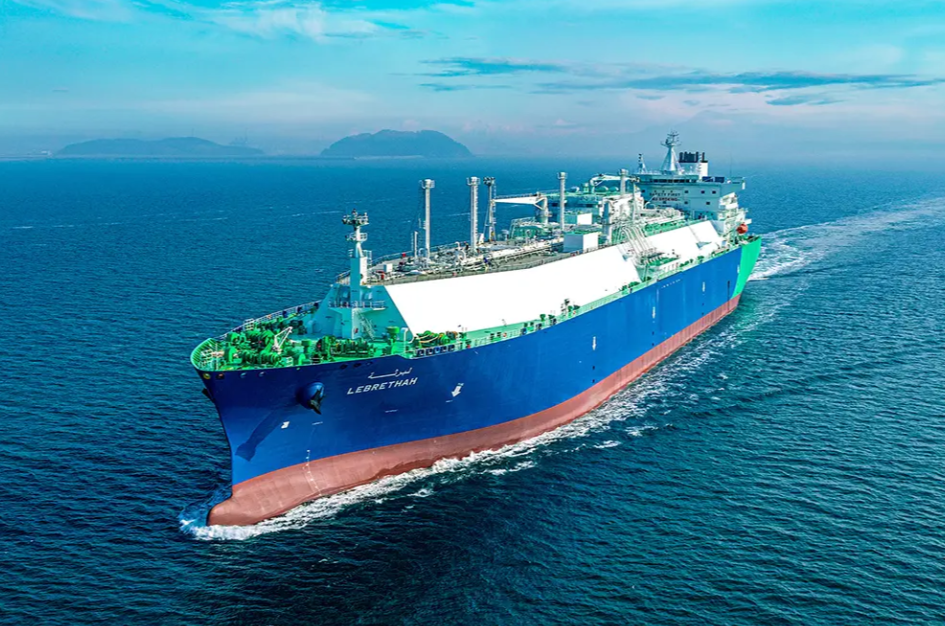
In a symbolic breakthrough for global energy shipping, the first LNG tanker has successfully transited the Strait of Hormuz following the late Sunday announcement of a U.S.-Iran framework deal to end the war and reopen the critical chokepoint.
Early on Monday, June 15, the Indian-flagged LNG carrier Disha (chartered by state-owned Petronet LNG and operated by the Shipping Corporation of India) cleared the strait and entered the Gulf of Oman. The vessel is carrying Qatari LNG loaded at Ras Laffan in early March and is heading to India. It had been trapped in the Persian Gulf for over three months due to the strait’s effective closure amid the U.S.-Iran conflict that began in late February 2026.
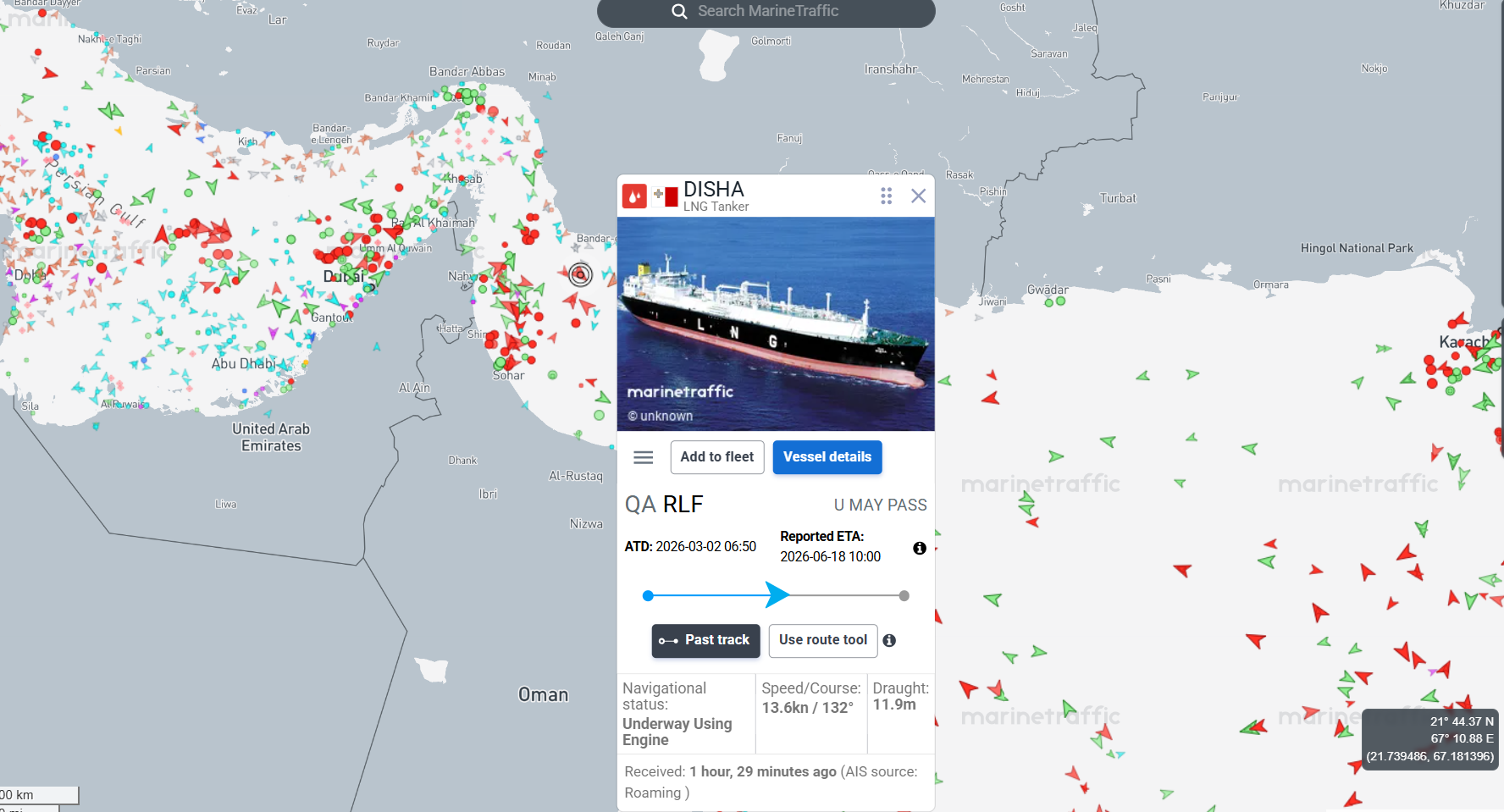
Ship-tracking data from MarineTraffic and industry sources (Kpler, LSEG) confirm the transit as the first visible energy cargo movement through the strait since the deal announcement. While some reports note it may have been pre-arranged under prior India-Iran corridor understandings, it represents the clearest signal yet of easing tensions.
U.S.-Iran Deal Announcement
Late on Sunday, June 14, U.S. President Donald Trump announced via social media that “the Deal with the Islamic Republic of Iran is now complete.” He authorized the “toll-free opening of the Strait of Hormuz” and the immediate removal of the U.S. naval blockade on Iranian ports.
Iran’s Deputy Foreign Minister Kazem Gharibabadi confirmed on state media an immediate and permanent end to the war and military operations across all fronts, including Lebanon. The framework agreement is set to be formalized in a memorandum of understanding (MOU) signed later this week—widely reported as Friday, June 19, 2026.
Key elements include:
Reopening the Strait of Hormuz to commercial shipping.
A 60-day period for final negotiations on remaining issues (including Iran’s nuclear program, sanctions relief, and unfreezing of assets).
Lifting of the U.S. blockade and mine clearance operations.
The news triggered an immediate market reaction: Brent Crude fell to around $82 per barrel and WTI Crude dropped below $80, with prices declining approximately 5% on Monday.
Tolls vs. Service Fees: A Point of Contention
The U.S. position, as stated by President Trump, emphasizes a toll-free reopening. However, Iranian officials have signaled that Tehran intends to charge ships a “service fee” for passage through the strait. These fees would cover navigation aids, security, and environmental protection, while Iran maintains oversight of the waterway.
Some reporting indicates Iran may seek to implement such fees after the initial 60-day negotiation window. This creates a clear discrepancy with U.S. claims of no tolls and introduces potential friction once the MOU is signed and implementation begins. Industry observers note that any fees could raise costs for energy shipments and complicate compliance for international shippers wary of sanctions risks.
Israel, Lebanon Ceasefire, and Lingering Risks
The deal framework reportedly includes an immediate ceasefire across all fronts, explicitly encompassing Lebanon. Iran has long conditioned broader progress on an end to Israeli operations against Hezbollah.However, Israeli leaders have pushed back strongly. Statements from Israeli officials, including Minister of National Security Itamar Ben-Gvir, emphasize that “Trump’s deal does not bind us” and that Israel is not a party to the U.S.-Iran agreement. Reports indicate continued or recent Israeli air strikes in Lebanon, despite U.S. calls for restraint and Trump’s reported frustration with the timing of such actions.
Hezbollah has previously rejected certain U.S.-brokered ceasefire proposals that did not meet its conditions (such as full Israeli withdrawal from southern Lebanon). These dynamics suggest Israel may not fully adhere to the Lebanon ceasefire terms as framed in the U.S.-Iran understanding, raising doubts about the deal’s stability on that front.
Shipping Industry Remains Cautious
Despite the Disha transit, major shippers are not rushing back. Japanese and European operators (including Mitsui O.S.K. Lines) have stated they will resume navigation only after full safety assurances and clearer details on the agreement. Vessel traffic through the strait has shown little immediate increase beyond this single tanker, as operators await the formal signing, mine clearance, and verified safe passage conditions.
Not Out of the Woods Yet
The first LNG tanker clearing Hormuz is a positive and tangible sign that energy flows could normalize after more than 100 days of disruption. Qatar’s LNG exports and broader Gulf oil shipments stand to benefit significantly once full traffic resumes.
However, several uncertainties remain:
Formal signing of the MOU later this week.
Resolution of the tolls/service fees dispute.
Full compliance with the ceasefire, particularly regarding Lebanon and Israeli actions.
Verification of safe navigation and mine clearance.
Outcome of the subsequent 60-day negotiation period on nuclear issues and sanctions.
Until these elements are clarified and implemented without incident, energy markets and shipping companies are likely to remain cautious. Volatility could persist in the near term.This development marks a potential turning point for global energy security, but prudence dictates monitoring implementation closely in the days and weeks ahead.
- OilPrice.com: “First LNG Tanker Clears Hormuz After U.S.-Iran Deal Announcement” (June 15, 2026) — https://oilprice.com/Latest-Energy-News/World-News/First-LNG-Tanker-Clears-Hormuz-After-US-Iran-Deal-Announcement.html
- Reuters: “Shippers remain cautious on Hormuz strait transit after US-Iran deal” (June 15, 2026) — https://www.reuters.com/business/energy/one-lng-tanker-passes-hormuz-after-us-iran-agree-deal-shippers-stay-cautious-2026-06-15/
- OilPrice.com (companion article): “LNG Tanker Heads for Hormuz Amid News of Reopening” (June 15, 2026) — https://oilprice.com/Latest-Energy-News/World-News/LNG-Tanker-Heads-for-Strait-of-Hormuz-After-US-Iran-Deal-Announcement.html
- NBC News: Details on MOU, toll-free reopening, and Lebanon context — https://www.nbcnews.com/world/iran/us-iran-deal-expected-reopen-strait-hormuz-signed-days-both-sides-say-rcna349916
- Fortune: “As U.S.-Iran deal nears, Tehran wants to charge ships crossing Hormuz ‘for services rendered’” — https://fortune.com/2026/06/13/us-iran-war-peace-deal-ships-strait-of-hormuz-services-rendered-fee/
- Jerusalem Post: Israeli leaders’ reaction to Lebanon inclusion in deal — https://www.jpost.com/israel-news/politics-and-diplomacy/article-899421
- BBC and other outlets on oil price reaction and broader context (multiple reports June 14–15, 2026).
- Additional reporting from Bloomberg, Argus Media, Indian Express, and Wikipedia summaries of the 2026 Strait of Hormuz crisis for background timeline.
All information synthesized from publicly available reporting as of June 15, 2026. Markets and geopolitics remain fluid—further developments expected around the scheduled signing.