In this explosive episode of the Energy News Beat Daily Standup, host Stu Turley breaks down ten major stories that expose a widening chasm between what financial markets are signaling and what’s actually happening on the ground in global energy infrastructure.
From a $40-50 disconnect between paper oil prices and physical barrel delivery costs, to California’s dramatic collapse from 38 refineries down to just seven, Turley reveals how geopolitical tensions, regulatory overreach, and decades of underinvestment are creating a perfect storm in energy security.
With Russian refining capacity crippled by drone strikes, Middle Eastern facilities under attack, and the UN quietly admitting its climate doomsday scenarios were implausible, this episode challenges conventional wisdom on energy policy and makes a compelling case that energy security truly starts at home—through domestic production capacity, not wishful thinking about net-zero mandates that have cost over $10 trillion while delivering far less energy independence than nuclear investment could have provided.

1. Oil Price Disconnect: Paper vs. Physical Markets
- WTI futures hovering in low-to-mid $90s while physical delivery costs ~$120
- $40-50 premium between paper markets and actual barrel acquisition
- Refinery crack spreads at historic highs (96% in US)
- Future traders focused on de-escalation; physical markets screaming warnings
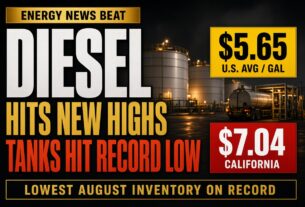
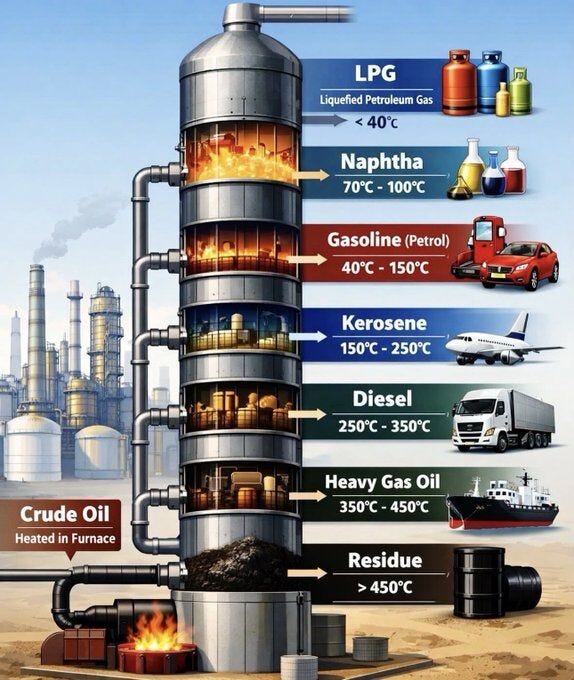
- Diesel is the next global flash point.
-
2. Two Solutions to Reduce Fuel Prices
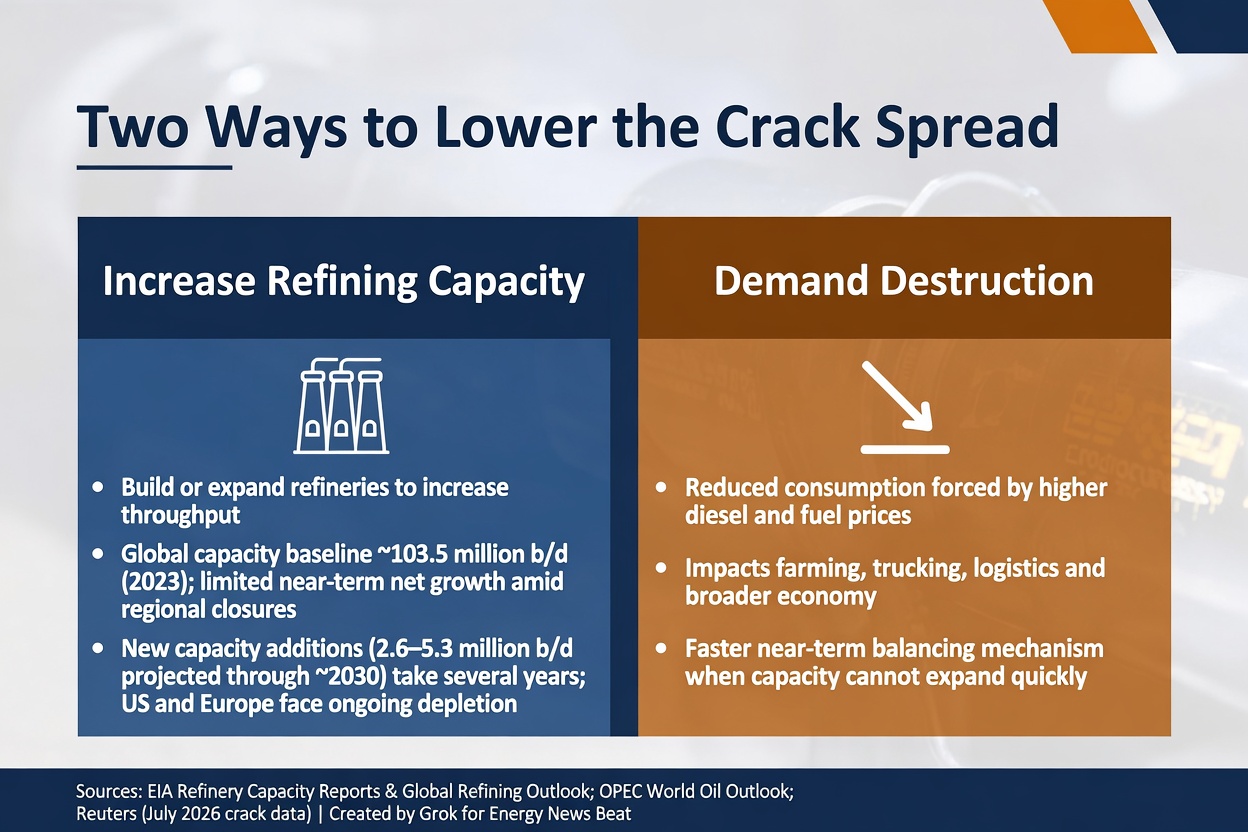
- Increase refining capacity – No new US refineries in decades; first new one coming to Brownsville, Texas (2025)
- Demand destruction – Governor Newsom’s attempts failed; demand only slightly down as people leave California
- Physics matter; policy must align with infrastructure reality
3. Global Refining Crisis
- Russia: Every refinery hit by drones; capacity down to 40%
- India: Only country with spare refining capacity
- Qatar: Down from 77-80 MTPA to 12 MTPA due to Strait of Hormuz blockade
- Qatar Energy adapting: Using US carriers to maintain contracts
4. Middle East Security Threats
- Iraq militias attacking Saudi refineries for second consecutive day
- Saudi air defenses intercepting drones
- Egypt also targeted
- Bab-El-Mendeb Strait closure = $120 oil; currently at $84
5. LNG Market Boom
- Surge in Final Investment Decisions (FIDs) for new liquefaction capacity
- 84 million tons of new capacity in 2025; 37 MTPA in first half 2026
- US leading project growth
- LNG must bypass choke points for true energy security
6. Venezuela Oil Resurgence
- $13 billion in sales since Maduro’s capture
- Production rebounding: 800K barrels/day (January) → 1.2M barrels/day (March-April)
- Chevron and Exxon positioning for expansion
- Potential model for Iranian recovery (without IRGC)
7. US Crude Inventory Decline
- Down 7.2 million barrels to 404.5 million
- Cushing, Oklahoma at 18.6 million barrels (near operational bottom of 20M)
- Cushing lost importance to world oil pricing
- Paradox: Empty Cushing should support prices, but doesn’t
8. California’s Transportation Fuel Infrastructure Collapse
- Demands 58 million gallons daily: 37M gasoline, 11M jet fuel, 10M diesel
- Refinery count: 38 → 7 (6 more closing due to CARB regulations)
- Limited import pipes; insufficient storage capacity
- Production declining sharply while demand remains high
- Most expensive transportation fuels in nation for residents
9. Natural Gas Success Story
- Expand Energy (NASDAQ: EXE) reports 27.5 MMCF/day from Hainesville wildcat
- North America’s largest independent natural gas producer performing well
- VectorVest rating: Buy
10. Europe’s Energy Crisis: Nuclear Shutdown During Heat Wave
- France shutting off GoFan2 nuclear reactor due to 40°C heat wave
- Nuclear plants rely on river water for cooling (design flaw)
- Environmental regulations limit water discharge temperature
- EU electricity mix: 30% wind/solar (vs. 29% fossil fuels) – but at what cost?
- De-industrialization and higher consumer costs
11. Climate Policy Reckoning
- UN climate panel quietly admits doomsday scenarios were implausible
- $10.4 trillion spent on wind and solar globally
- Alternative scenario: Same investment in nuclear = 174 additional reactors (vs. 94 current US reactors) + 1,700 worldwide
- Net-zero policies result in 38% higher consumer energy costs in blue states
- Fear-mongering and policy misalignment with physics
12. Key Takeaway: Energy Security Starts at Home
- Domestic production capacity is critical
- Energy dominance displayed through exports
- Realistic policy must account for infrastructure constraints
- Neighbor-to-neighbor preparedness (emergency power solutions like Jackery)
Main Stories Covered
1.Oil Prices Ignore the Warnings of the Physical Markets. Refinery Crack Spreads Grow
2.Iraq Militias Attack Saudi Oil Facilities for a Second Day
3.LNG Vessel Demand Soars as US Leads Project Growth, and Qatar is Offline
4.QatarEnergy Adapting while Protecting its Revenue Stream
5.U.S. Sale of Venezuela’s Oil Hits $13 Billion Since Maduro Capture
6.US Crude Oil Inventories Decreased by 7.2 mb to 404.5 mb
7.The impending collapse of California’s transportation fuel infrastructure
8.Expand Energy’s First Far Western Haynesville Wildcat IPs 27.5 MMcf/d
We have some fun interviews rolling through production, and we are working to help keep you informed.
Stay safe out there, and take an inventory of your home security measures for a disaster. Be there for your family so that you can help your neighbors.


A shout-out to Steve Reese and the Reese Energy Consulting group for sponsoring the Podcast.
https://reeseenergyconsulting.com/.

Data2 if you have any business systems, can you trust A? Well, they have the patent on validation. . https://data2.zoholandingpage.com/energy
And we have WellDatabase rolling in as a new sponsor.