Oil markets swung lower on Tuesday as Qatar and U.S. Treasury Secretary Scott Bessent pointed to advancing mediation efforts aimed at a short-term arrangement between the United States and Iran, centered on reopening the Strait of Hormuz. The chokepoint, which normally handles roughly one-fifth of global oil and LNG supplies, has been heavily disrupted since the U.S.-Iran conflict escalated in late February 2026.
Qatari Foreign Ministry spokesman Majed Al-Ansari told reporters that mediators — including Qatar, Pakistan, and Oman — are coordinating closely to facilitate negotiations and exchange draft proposals between Washington and Tehran. A potential resolution “is being circulated between the parties,” though he stressed that no final deal has been reached and that there is no clear timeline. The emphasis, Al-Ansari said, is on a short-term path to prevent further confrontation, restore free navigation through the Strait of Hormuz, and create conditions for broader talks. Qatar maintains a clear position calling for a return to the normal situation in the waterway, with a ceasefire and reopening of Hormuz as necessary first steps.
Bessent added to the optimistic tone, telling CNBC that a deal with Iran to reopen the Strait of Hormuz could come as soon as Tuesday or Wednesday. He also noted that he had seen “quite a few” ships exiting the strait.
The comments reversed earlier oil-price gains. Brent crude fell as much as about 5%, trading near or below $80 a barrel at points (down roughly $4 from session highs), while U.S. West Texas Intermediate dropped similarly, briefly touching levels last seen in mid-July. Prices had risen earlier on lingering uncertainty over the conflict.
Iran’s Mixed Signals
Tehran’s public posture remains more cautious and restrictive. Iranian officials have repeatedly denied direct talks with the United States. Foreign Ministry spokesman Esmaeil Baghaei stated that Iran has no plans to send or receive U.S. delegations and that discussions are limited to bilateral talks with Oman over a temporary shipping arrangement in the Strait of Hormuz. He described those Oman talks as “serious” and aimed at establishing a single temporary navigation route, to be finalized “at the earliest opportunity,” but insisted that so long as the United States “continues to violate its commitments, the situation in the Strait of Hormuz will not change.”
An Iranian source indicated Tehran wants control over inbound shipping through Hormuz and visibility over outbound traffic, with the ability to intervene if necessary under any temporary plan with Oman. Iranian officials have characterized broader claims of imminent U.S.-Iran deals as overstated, emphasizing mediation roles for Oman (primary on Hormuz routing), Pakistan, and Qatar (as needed) rather than direct engagement.
This pattern — U.S. and Qatari officials highlighting circulating drafts and near-term possibilities, while Iran stresses indirect channels, hard-line conditions on Hormuz control, and denial of direct talks — has been recurring throughout the conflict. Previous interim frameworks and mediation rounds (including earlier Qatar- and Oman-facilitated efforts) have produced temporary pauses or limited progress but have not fully restored shipping or ended hostilities.
Energy Market Context and Implications
The Strait of Hormuz remains the core energy flashpoint. Disruptions have kept Middle East production and exports below pre-conflict levels even as some recovery has occurred. Analysts note that while positive diplomatic signals can quickly ease risk premiums (as seen in Tuesday’s selloff), sustained reopening would require verifiable free transit. Until clarity emerges — either confirmation of a workable short-term arrangement or renewed escalation — Goldman Sachs and others see Brent potentially remaining in an $80–$90 range.
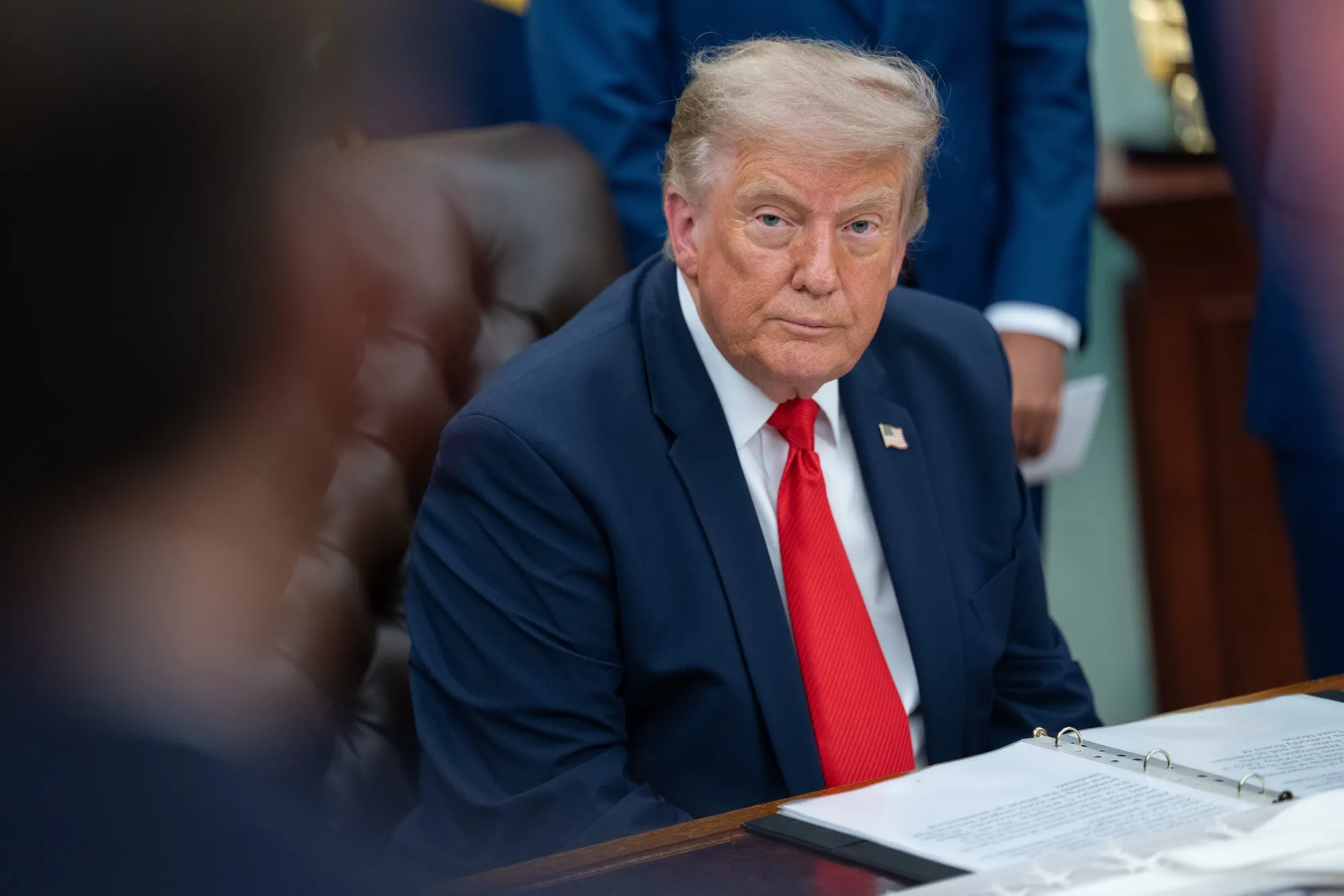
President Donald Trump has framed the current window as a “last chance,” having paused what he described as major strikes over the weekend following requests from Iran and Gulf partners (Saudi Arabia, UAE, Qatar). He has tied progress specifically to an Iran-Oman understanding on Hormuz and warned of consequences if it does not materialize quickly.
Is This Negotiation or Market Manipulation?
Independent reporting from multiple outlets confirms active mediation: draft proposals are being exchanged via regional intermediaries, Oman is engaged on temporary Hormuz routing, and Qatar is publicly describing an “advanced stage” of coordination. Iran is participating in these channels even while rejecting direct U.S. talks and maintaining strict conditions. Oil-price movements track official statements in real time, which is normal market behavior in a high-stakes energy corridor conflict rather than evidence of fabricated signals designed solely to move prices.
That said, the gap between optimistic mediator/U.S. messaging and Iran’s more limited, conditional public line creates genuine uncertainty. Markets are pricing hopes of de-escalation, but the underlying risk of disruption has not disappeared. Energy traders and producers will watch closely for concrete steps — actual increases in Hormuz transit volumes, formal announcements of a short-term framework, or contradictory Iranian actions — rather than statements alone.
For now, the signals from Doha and Washington have injected a measure of optimism into energy markets, but mixed messages from Tehran underscore that any short-term deal remains fragile and unconfirmed.
Appendix: Sources and Links
- Bloomberg / Yahoo Finance reprint: “Qatar Signals Progress Toward Short-Term Deal Between US, Iran” (August 4, 2026)
https://www.bloomberg.com/news/articles/2026-08-04/qatar-signals-progress-toward-short-term-deal-between-us-iran
https://finance.yahoo.com/energy/articles/qatar-signals-progress-toward-short-113607633.html - Reuters: “Oil prices drop after Qatar, Bessent raise hopes of a US-Iran deal” / related coverage (August 4, 2026)
https://www.reuters.com/business/energy/oil-ticks-up-after-selloff-talks-end-us-iran-war-remain-uncertain-2026-08-04/ - Anadolu Agency / EdNews: “Qatar says mediators coordinating closely to facilitate US-Iran negotiations, exchange drafts” (August 4, 2026)
https://www.aa.com.tr/en/middle-east/qatar-says-mediators-coordinating-closely-to-facilitate-us-iran-negotiations-exchange-drafts/4018119
https://ednews.net/en/qatar-says-mediators-coordinating-closely-to-facilitate-us-iran-negotiations-exchange-drafts/ - The New Arab: “Iran denies holding talks with US as Trump touts imminent deal” (August 3, 2026)
https://www.newarab.com/news/iran-denies-holding-talks-us-trump-touts-imminent-deal - Additional context from earlier Reuters, Al Jazeera, and other reporting on prior mediation rounds, Iranian positions, and Hormuz dynamics (May–July 2026 coverage referenced for background continuity).