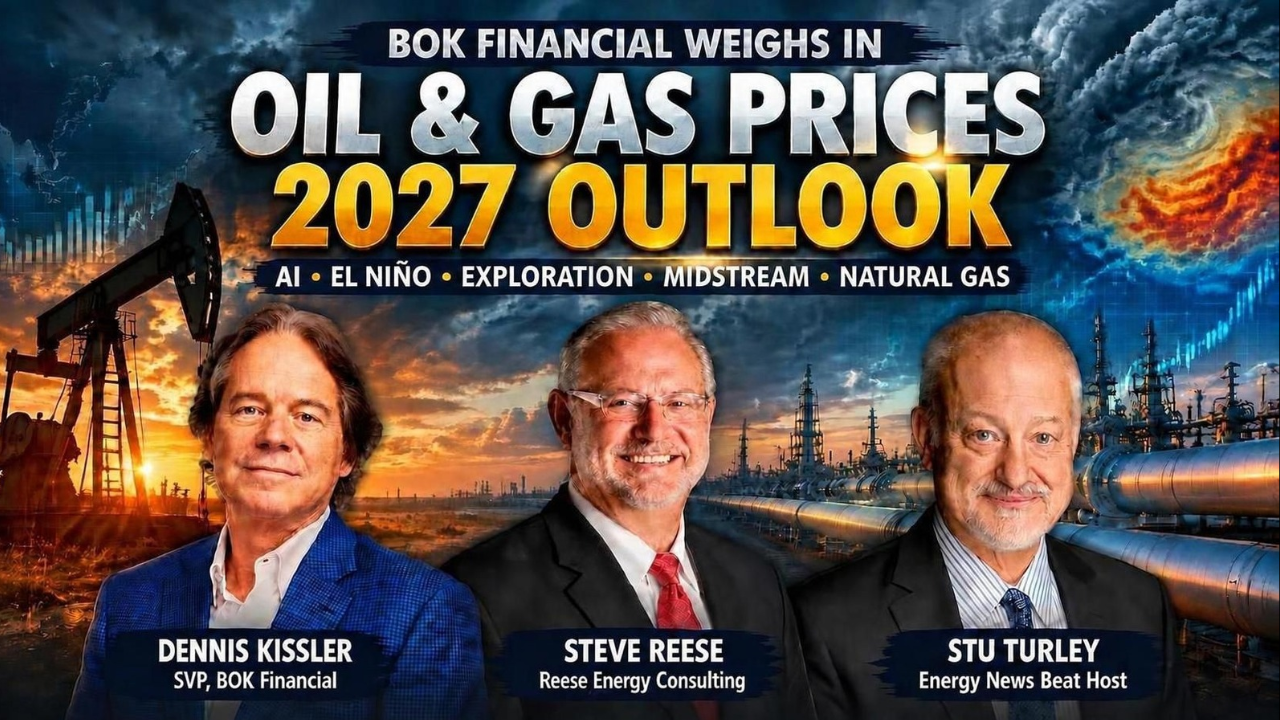
Dennis Kissler, SVP, BOK Financial, Steve Reese, CEO, and Stu Turley have way too much fun on a Friday.
In this episode of the Energy Newsbeat Podcast, host Stu Turley sits down with Steve Reese, CEO of Reese Energy Consulting, and Dennis Kisstler, Senior Vice President of the Energy Trading Division at Bank of Oklahoma, to explore the current state of global energy markets.
As geopolitical tensions reshape oil and gas flows, data centers compete for natural gas resources, and Europe grapples with an energy crisis of its own making, the three discuss how price signals and market dynamics are driving adaptation across the industry. From the Strategic Petroleum Reserve hitting 40-year lows to LNG exports becoming a critical tool for energy security, this conversation reveals how traditional energy remains indispensable—and how the next few years will test the resilience of both supply chains and policy frameworks worldwide.

Connect with Dennis on LinkedIn Here: https://www.linkedin.com/in/dennis-kissler/
Connect with Steve on LinkedIn Here: https://www.linkedin.com/in/steve-reese-185a86/
Connect with Stu on LinkedIn Here: https://www.linkedin.com/in/stuturley/
Here is the BOK News Letter Link:
1. Oil Market Dynamics & Geopolitical Impact
The conversation opens with analysis of crude oil markets, particularly focusing on Iran’s export restrictions and Middle East tensions. Dennis Kistler explains how ship-to-ship transfers are maintaining oil exports despite Iran’s offline status. The key insight is that while supply appears stable, transportation costs are artificially inflating prices by $13-20 per barrel. Without these shipping delays, crude would likely be in the low $60s. The speakers predict potential oversupply of 2 million barrels per day by mid-2025 once supply chains normalize.
2. Strategic Petroleum Reserve (SPR) Refilling
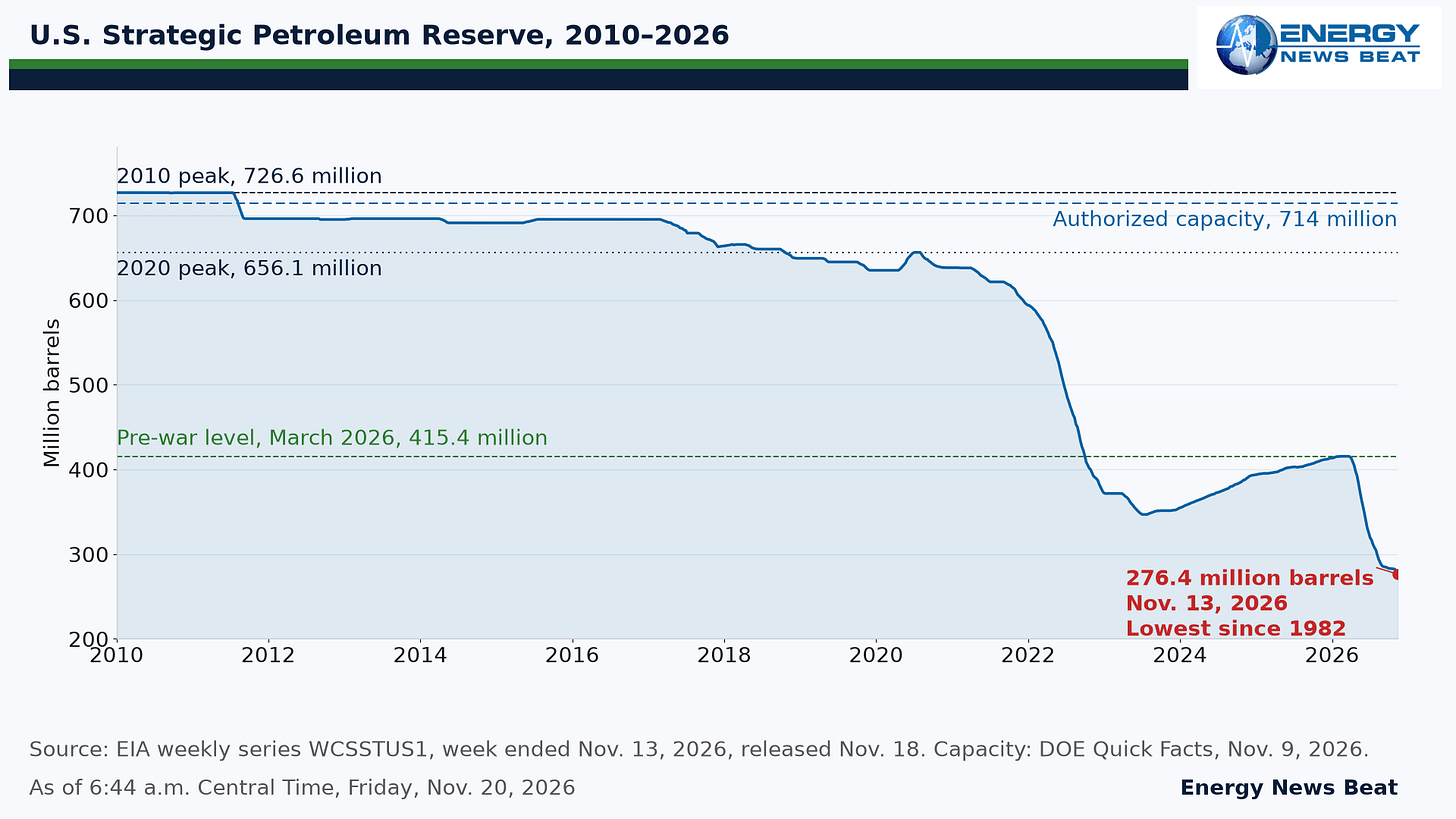
Discussion centers on the U.S. SPR being at its lowest level since 1982. While refilling SPRs globally (particularly China’s) provides some price support, the speakers note this isn’t a major bullish factor. The U.S. can quickly rebuild reserves by temporarily halting exports if needed, given America’s shift to energy self-sufficiency with Permian production now exceeding 6 million barrels per day.
3. Natural Gas Market Complexity
This is a major focus, with several key points:
- Data center competition: Texas data centers are now in a moratorium, shifting dynamics between LNG exports and local demand
- Political uncertainty: New regulations in Texas and changing policies are creating market volatility
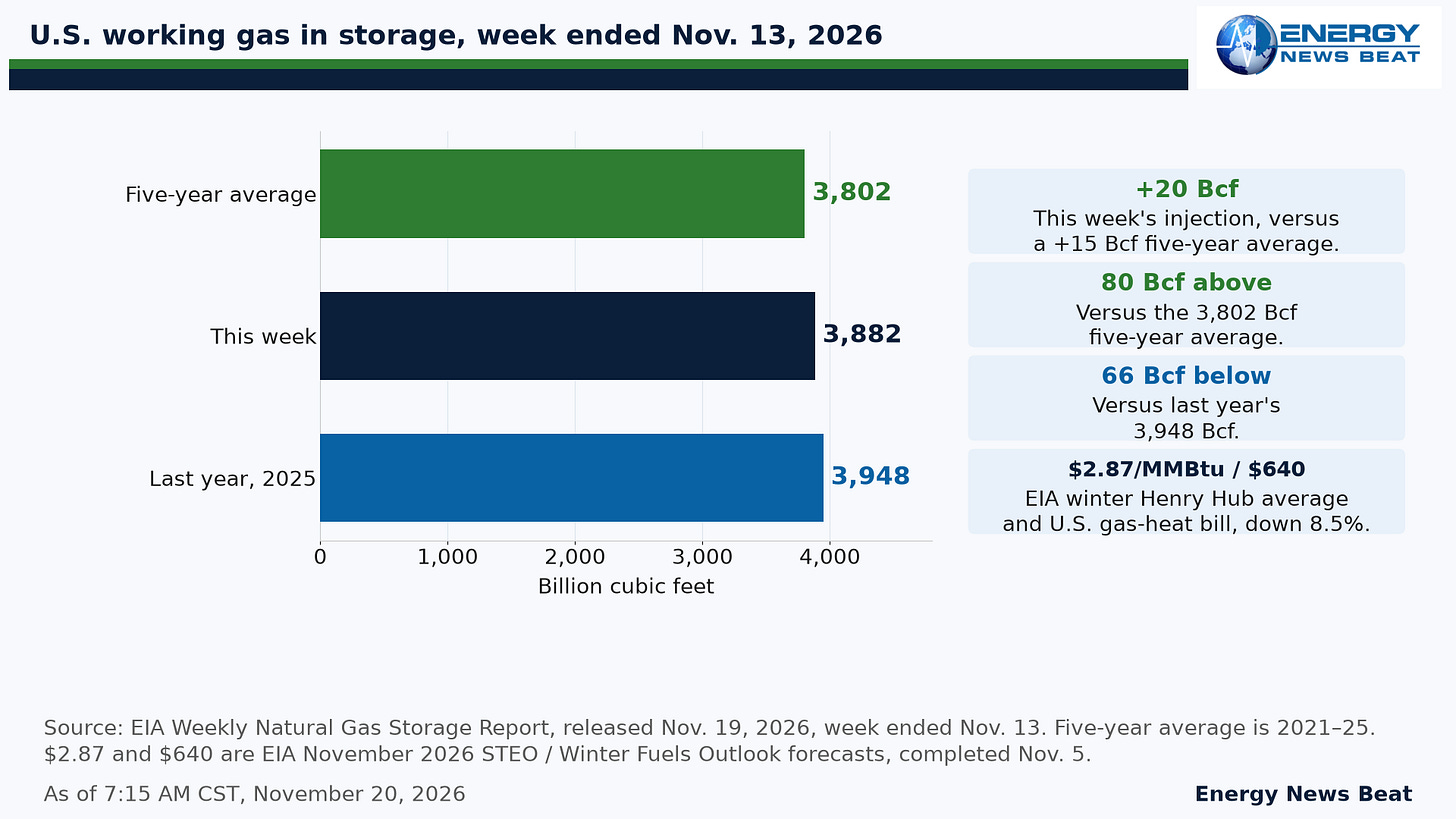
- Storage levels: Gas storage is only 2.1% above the five-year average (vs. 3.8% last year), suggesting the market isn’t as bearish as feared
- El Niño impact: Milder weather is suppressing prices, with heavy short positions in the market
4. LNG Export Growth & International Demand
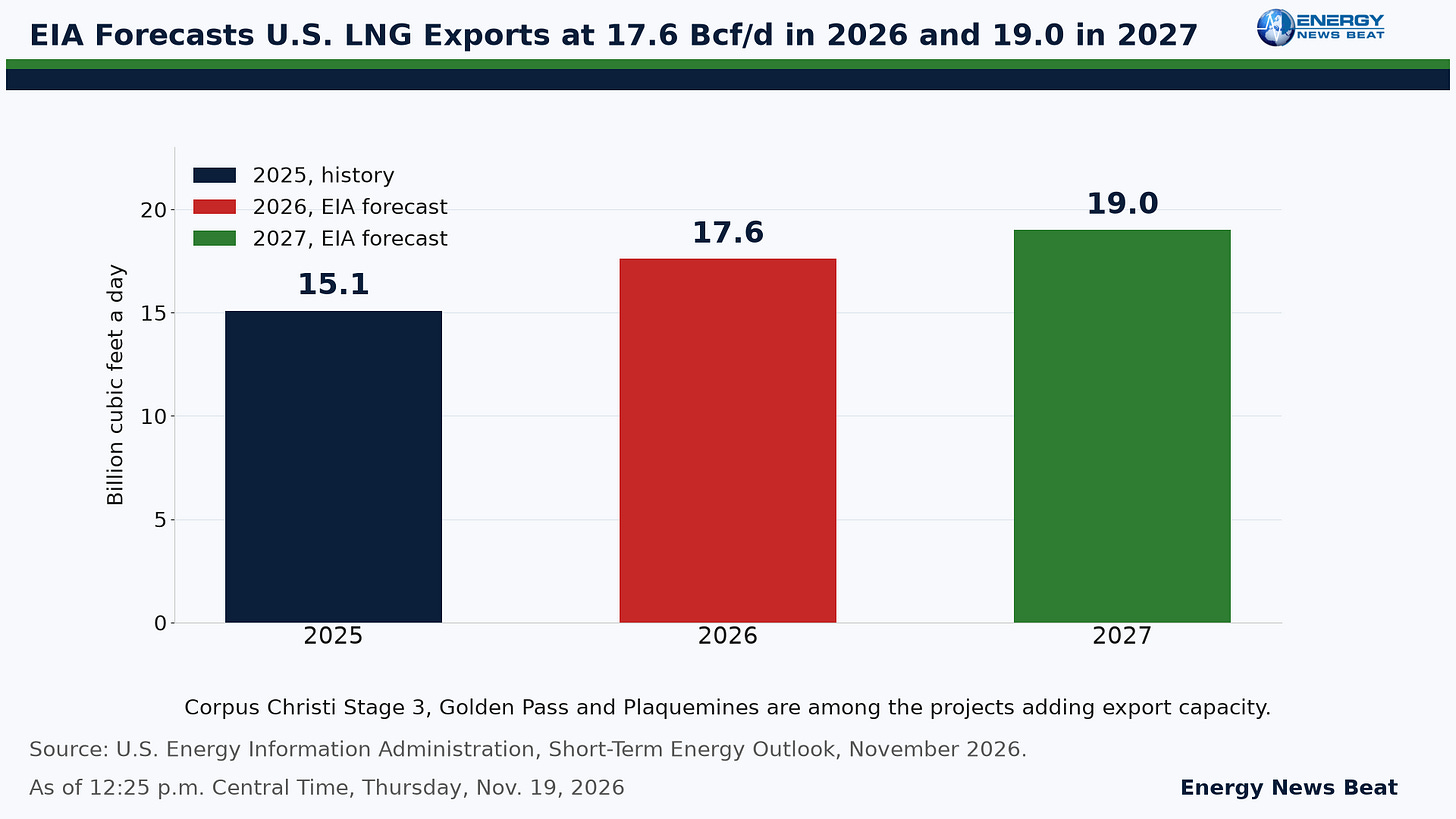
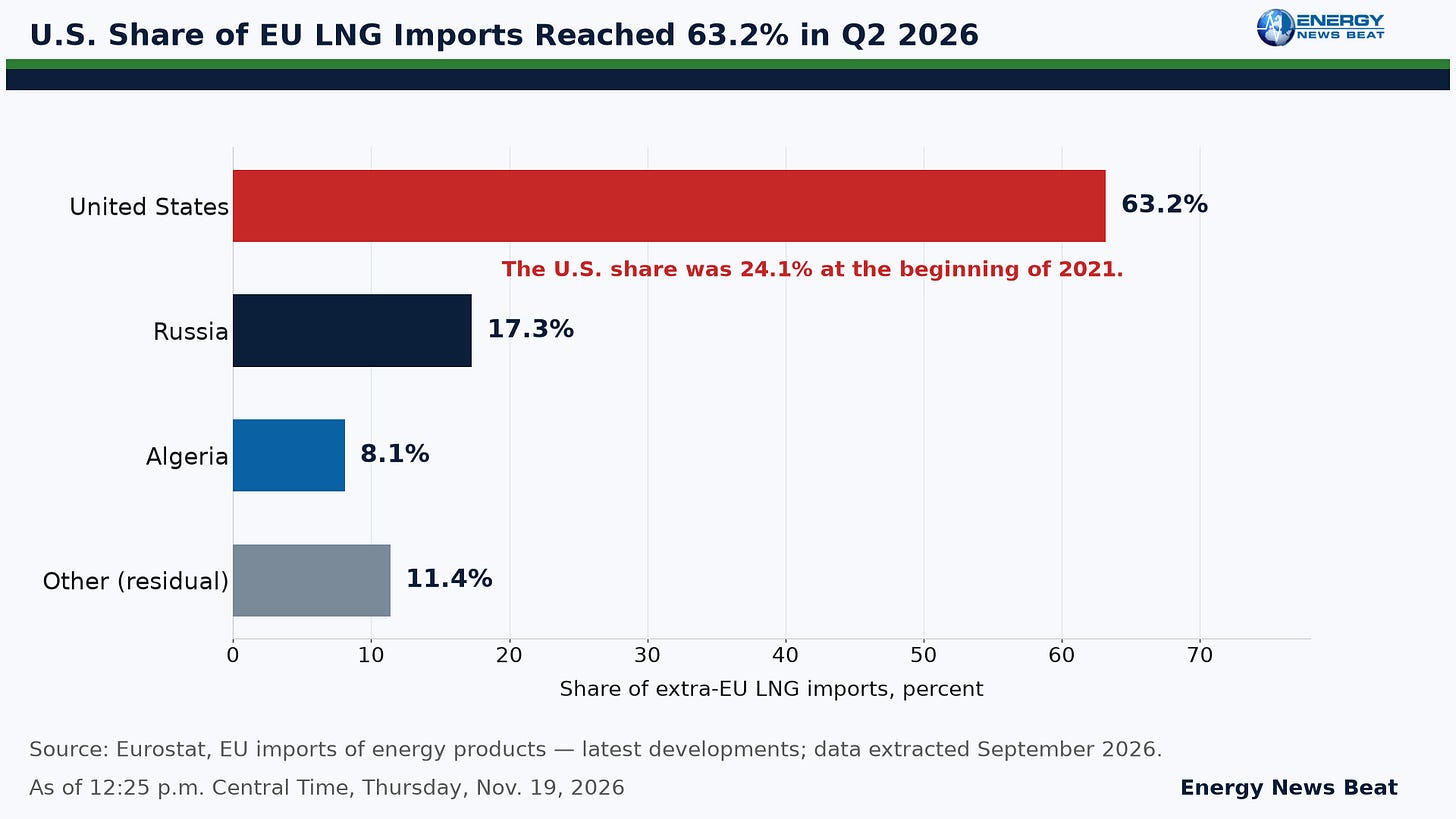
The speakers highlight aggressive demand from India, which is now a major player seeking 5-10 MTPA (million tons per annum). Qatar’s facility issues have shifted market dynamics. The conversation reveals that LNG takeaway capacity (9.5-10 BCF/day) will likely match or exceed production growth from major basins (Permian, Haynesville, Appalachia) by 2029, creating potential supply tightness.
5. Northeast Pipeline Infrastructure & Home Heating Oil Crisis
A significant discussion focuses on:
- High home heating oil prices (reaching $6.10) in the Northeast
- The need for natural gas pipeline infrastructure to replace heating oil
- Potential for LNG export facilities in Virginia (discussed with Toby Rice/EQT)
- Political barriers to pipeline expansion in the Northeast
- The opportunity to transition homes from heating oil to propane or natural gas
6. European Energy Crisis & De-industrialization
Steve Reese shares firsthand observations from their Berlin office about Germany’s energy disaster:
- German manufacturing is collapsing due to tripled electricity prices from aggressive wind-only policies
- 100+ German CEOs want U.S. shale LNG
- Government energy strategy meetings lack basic energy knowledge (MMBTU understanding)
- Europe is learning the hard way that hydrocarbons remain essential
7. Long-Term Price Forecasts & Investment Outlook
Dennis provides detailed projections:
- Oil: Expects oversupply by 2025, with prices settling in the low $60s long-term
- Natural gas: Predicts a $3 floor with winter peaks at $5-6; unlikely to drop below $2
- Electrification demand: Growing 16-18% through 2030, supporting gas demand
- Investment thesis: Favors LNG infrastructure, natural gas pipelines, and drilling services over the next 10 years
8. Market Resilience & Adaptability
A recurring theme is that “oil will find a way”—markets self-correct through price signals. Examples include Saudi Arabia’s rapid pipeline repairs and market responses to shipping disruptions. The speakers emphasize that both crude oil and natural gas remain essential for decades, despite renewable energy growth.
Tuesday, we are visiting with Jon Brewton, Data2, and we have the Energy News Beat Stand Up Next Week. Buckle Up, things are about to get interesting.
I am installing new home backup equipment next week, and will have part numbers available soon, so we can share the good, the bad, and the homely that we found on the way to getting energy security at homes.
We would also like to give our sponsors a shout-out.
Check out the World’s Greatest Podcast Show Notes at EnergyNewsBeat.co or EnergyNewsBeat.com, and the Energy News Beat Substack at:

At The Intersection of Energy and Finance – By Sandstone Group
A shout-out to Steve Reese and the Reese Energy Consulting group for sponsoring the Podcast https://reeseenergyconsulting.com/.
Data2 if you have any business systems, can you trust A? Well, they have the patent on validation. . https://data2.zoholandingpage.com/energy
And we have WellDatabase rolling, and we use their tools for the Energy News Beat weekly Rig Reports: https://welldatabase.com/
Also entering Sponsor Rey Trevino, Pecos Operating