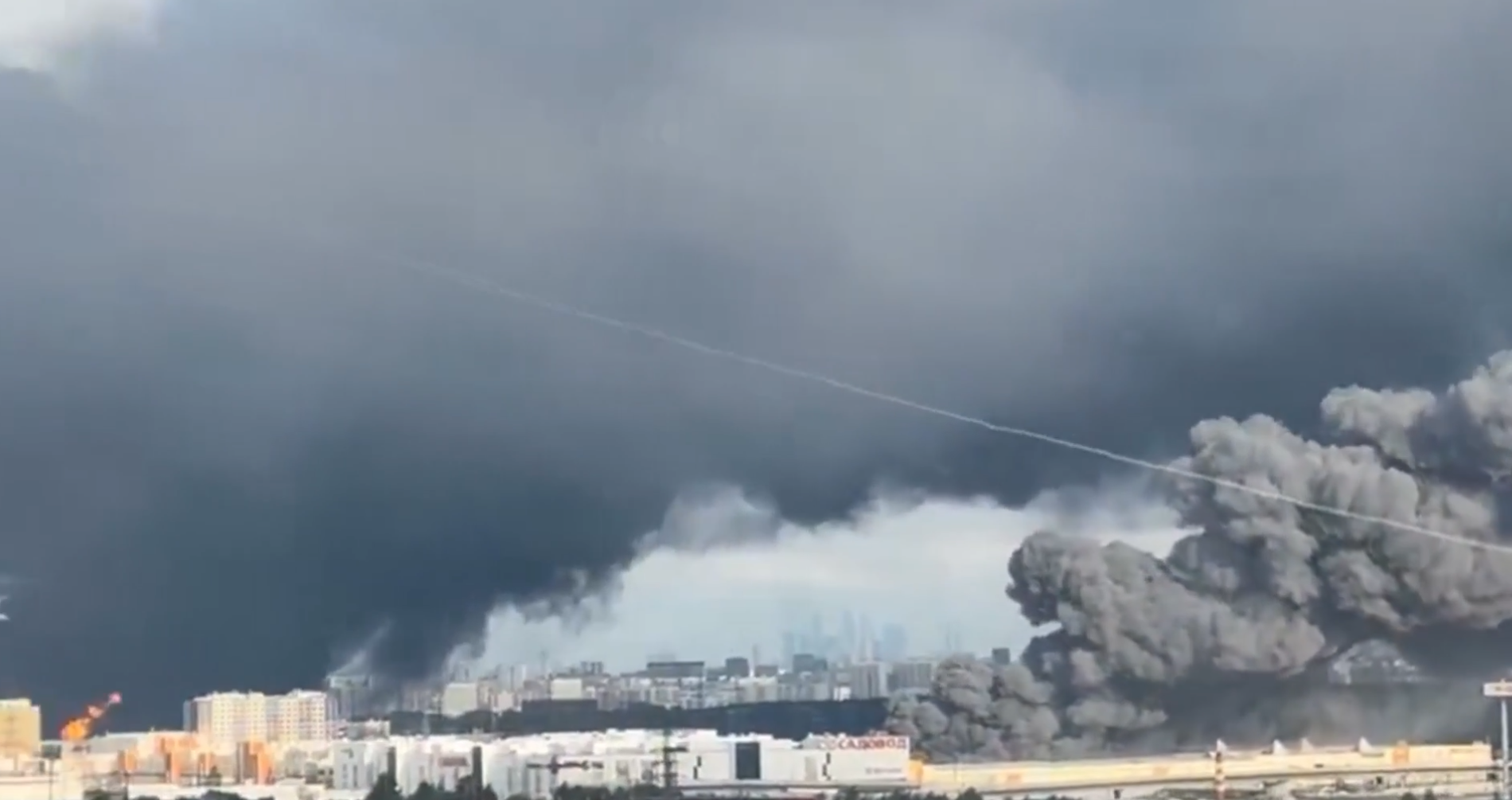
Ukraine launched one of its largest drone attacks on Moscow since Russia’s full-scale invasion began in 2022, striking the Kapotnya (Moscow) Oil Refinery for the second time in less than a week. The assault caused fires, explosions, and significant disruption in the Russian capital, while also hitting targets in the Rostov region and occupied Ukrainian territories.
Details of the Attack
Overnight into June 18, Ukraine deployed hundreds of long-range drones targeting Russia. Russian officials reported intercepting approximately 180–200 drones over Moscow itself (with Moscow Mayor Sergei Sobyanin citing around 194 in some reports) and nearly 1,000 nationwide. Despite the defenses, multiple drones penetrated and struck the Gazprom Neft-owned Moscow Oil Refinery in the Kapotnya district, about 15 km southeast of the Kremlin.
Videos verified by media outlets showed explosions at the facility, thick black smoke plumes rising over the city, and at least one dramatic incident where the lid of a fuel storage silo was blasted into the air. A high-rise residential building and other structures (including possible damage to a shopping center) were also hit in the Moscow region. Commercial flights were suspended or disrupted at major Moscow airports (including Sheremetyevo), and traffic was halted on sections of the Moscow Ring Road near the refinery.
Ukrainian President Volodymyr Zelenskyy confirmed the strikes on his Telegram channel/X account, describing them as a “fully justified response” to recent Russian attacks on Ukrainian cities, including damage to the historic Kyiv Pechersk Lavra monastery. He stated: “Last night, our long-range sanctions once again reached the Moscow region — for the second time this week, the Moscow oil refinery was hit.” He also warned that continued Russian aggression would lead to further escalation (“If Ukraine burns, your Moscow will burn”).
The June 18 attack followed a similar Ukrainian drone strike on the same refinery on June 16, which had already started a fire and disrupted operations.
Damage Assessment (as of June 18, 2026)
June 16 strike (first hit): Industry sources told Reuters that a primary refining unit (crude distillation/processing unit, referred to as ELOU AVT-6 in some reports) was damaged. This unit accounted for 53% of the plant’s total capacity, leading to a halt in operations. A fire broke out but was reportedly extinguished by emergency services, though independent sources indicated operations remained suspended or severely curtailed.
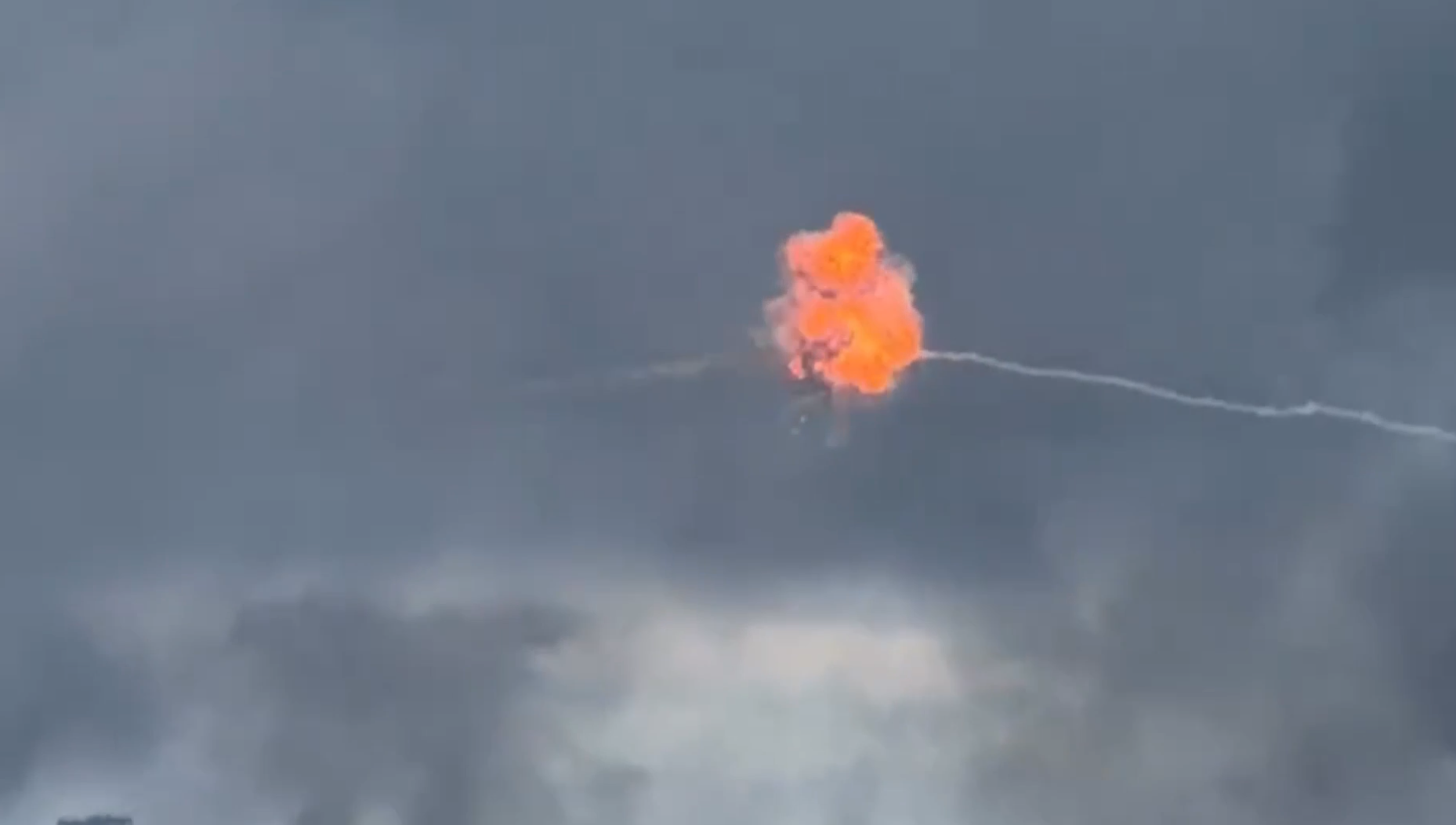
June 18 strike (second hit): Renewed fires and explosions were reported at the facility. Preliminary assessments indicate additional structural damage, though detailed engineering evaluations are ongoing. No casualties were reported at the refinery itself from either strike. Russian emergency teams responded to contain fires and assess damage.
Broader context: These strikes contribute to cumulative Ukrainian attacks on Russian energy infrastructure, with analysts estimating that nearly one-third of Russia’s refining capacity has been affected or offline at times due to repeated hits throughout 2025–2026.
Refinery Production Capacity
The Moscow Oil Refinery (also known as Kapotnya Refinery or MNPZ), owned by Gazprom Neft, is one of Russia’s largest and the primary fuel supplier to the Moscow metropolitan area. Its installed/processing capacity is approximately 11–12 million tonnes of crude oil per year (sources vary slightly between 11 mtpa and 12.15–12.76 mtpa installed capacity after modernization).
It produces gasoline, diesel, jet fuel (aviation kerosene), and other petroleum products. The facility supplies:
- Roughly 40% of Moscow region’s gasoline/petrol
- Up to 50% or more of diesel in the capital area
- Significant volumes of jet fuel for Moscow’s airports
In 2024, the plant processed around 11.6 million tonnes of oil, yielding approximately 2.9 million tonnes of petrol and 3.2 million tonnes of diesel (per industry data).
Impact on Russia’s Exports and Customers
This single refinery strike does not shut down Russia’s overall oil exports. Russia remains a major crude oil exporter (primarily to Asia, especially China and India), and attacks on refineries have actually led to increased crude exports in some periods as more unrefined oil is diverted from domestic processing to export terminals.
However, the cumulative effect of Ukrainian strikes on Russian refineries has:
- Reduced domestic refining capacity significantly
- Forced Russia to impose or extend restrictions on refined product exports (e.g., a ban on jet fuel exports until at least November 2026, and earlier gasoline export curbs) to prioritize domestic supply amid shortages
- Contributed to fuel price pressures and localized shortages across multiple Russian regions
Primary customers impacted:
- Domestic (Moscow and central Russia): Motorists, trucking, aviation, and heating sectors face potential supply disruptions or higher costs. The refinery is critical for the capital’s fuel needs.
- Aviation: Direct impact on jet fuel availability for Moscow airports.
- Military/logistics: Indirect strain on fuel supplies for Russian forces.
- International buyers of Russian refined products: Reduced diesel/gasoline exports could tighten global or regional markets, though many buyers have already diversified.
- Crude oil buyers are largely unaffected or may see increased volumes.
Russia has responded to broader refinery outages by ramping up crude exports via western ports in some months, partially offsetting lost refining revenue.
Retaliation and Russian Response
Russian state media and officials (including Moscow Mayor Sobyanin and the Defense Ministry) emphasized successful air defense interceptions and described the attacks as failed attempts by Ukraine. Russia launched its own retaliatory drone strikes against Ukrainian targets in response.
No immediate large-scale conventional military escalation (beyond ongoing operations) has been publicly detailed in initial reports. Russian hardliners have called for stronger responses, but official statements focus on air defense improvements and continued strikes on Ukraine. The Kremlin typically frames such Ukrainian attacks as “terrorist acts.”
Key Sources:
- The Guardian: “Moscow oil refinery struck in Ukraine’s biggest air raid…” (June 18, 2026) — https://www.theguardian.com/world/2026/jun/18/moscow-oil-refinery-on-fire-ukraine-drone-stikes
- Reuters: “Ukrainian drone strike halts operations at Moscow oil refinery…” (June 16, 2026, with updates) — https://www.reuters.com/world/moscow-oil-refinery-damaged-ukrainian-drone-attack-mayor-says-2026-06-16/
- CNN, New York Times, AP, Al Jazeera, and Bloomberg reporting on the June 18 attack
- Zelenskyy official statements on X/Telegram
- Industry data via Reuters and open sources on refinery capacity (cross-referenced with Wikipedia and company modernization reports)
For the latest updates, monitor official statements from Gazprom Neft, Russian Ministry of Emergency Situations, and Ukrainian General Staff. Energy markets and fuel supply in central Russia should be watched closely in the coming days.