ENB Pub Note: This article was first published on the Energy News Beat Substack. Head over there to comment.
Tough times ahead, and countries are picking sides.
The world’s energy system is under simultaneous assault from geopolitics and policy ideology. Critical oil and gas flows through maritime and pipeline chokepoints are disrupted or rerouted at scale, creating acute imbalances in supply, prices, and delivery security.
At the same time, the European Union and United Kingdom are accelerating their Net Zero commitments—pouring capital into wind and solar—while sidelining the physics of reliable baseload power. The result is rising costs, grid instability risks, and a false sense of progress that ignores manufacturing realities, grid visibility, and the hard limits of intermittent generation.
Geopolitical Chokepoints and the Oil & Gas Imbalance
As we covered yesterday on the Energy Realities podcast with Dr. Tammy Nemeth of The Nemeth Report , and David Blackmon.
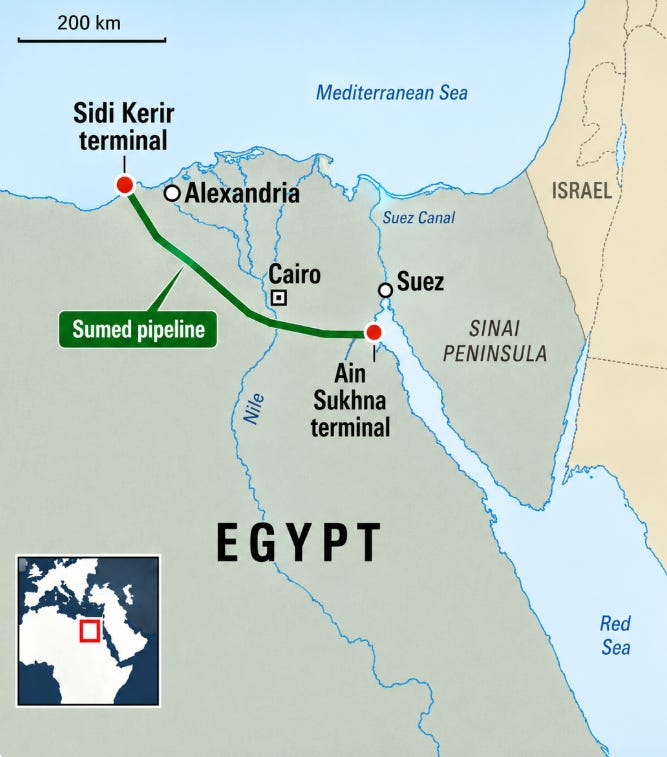
Four corridors dominate the vulnerability: the Strait of Hormuz, Bab el-Mandeb, the Suez Canal (and SUMED pipeline), and Caspian-linked export routes.
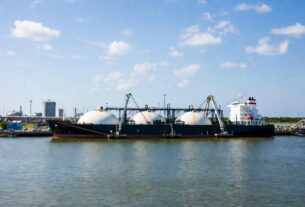
The Strait of Hormuz normally carries roughly 20–21 million barrels per day of oil (about 20–25% of global seaborne oil trade) and around one-fifth of global LNG trade—primarily Qatari and UAE volumes totaling over 112 bcm in 2025, or roughly 11.4 Bcf/d in the first half of 2025.
Since late February 2026, following U.S.-Israeli strikes and Iranian responses, traffic has collapsed. LNG shipments through the strait to destinations outside the Persian Gulf have been near zero for extended periods, with crude flows only partially and unevenly restarting.
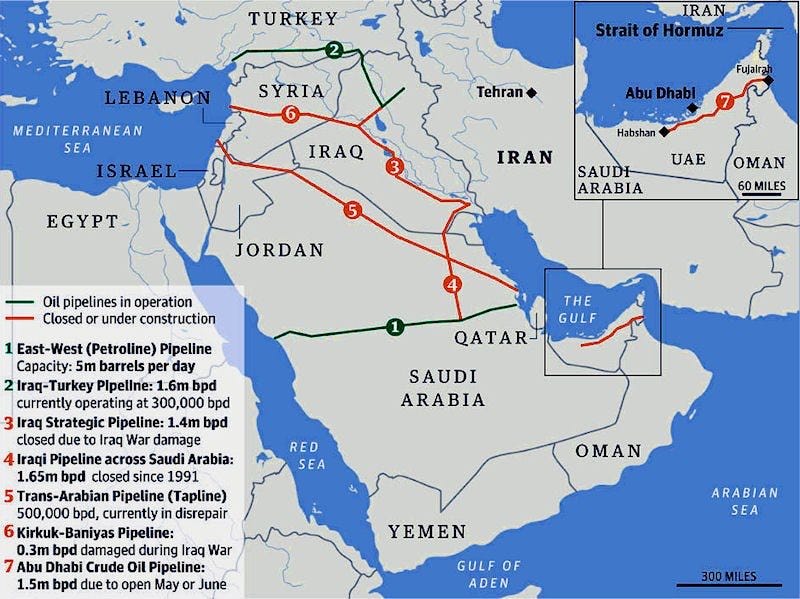
This has removed the equivalent of roughly 20% of global LNG supply from normal markets for months, forcing Asian and European buyers into higher-cost alternatives and tighter inventories. Bypass pipelines (Saudi East-West/Petroline and UAE Habshan-Fujairah/ADCOP) can handle only a fraction—combined estimates of 3.5–6.5 million b/d or more under surge conditions—leaving the majority of volumes stranded or delayed.
Bab el-Mandeb and the Red Sea/Suez complex compound the problem.
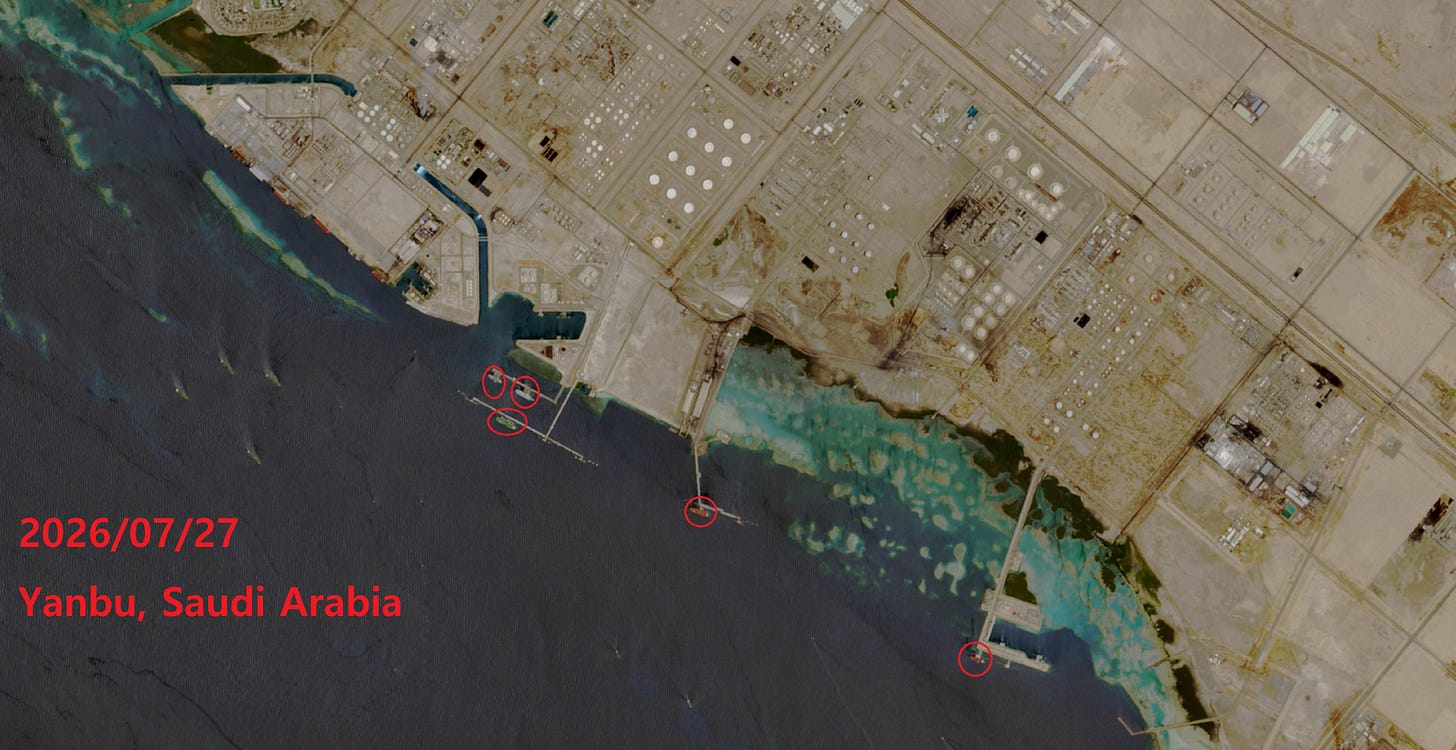
In the picture above, from Yesterday, you can see 5 tankers still loading at Yanbu, the exit port for the East-to-West pipeline for Saudi Arabia. I cannot get data on their Insurance and sailing information. There have been several unregistered crossings of the Bab el-Mandeb Strait to Pakistan, but it is down to almost zero.
These routes link Middle East supply to Europe and beyond; their impairment lengthens voyages, raises freight and insurance costs, and amplifies price volatility.
The Caspian dimension centers on Kazakhstan’s exports.
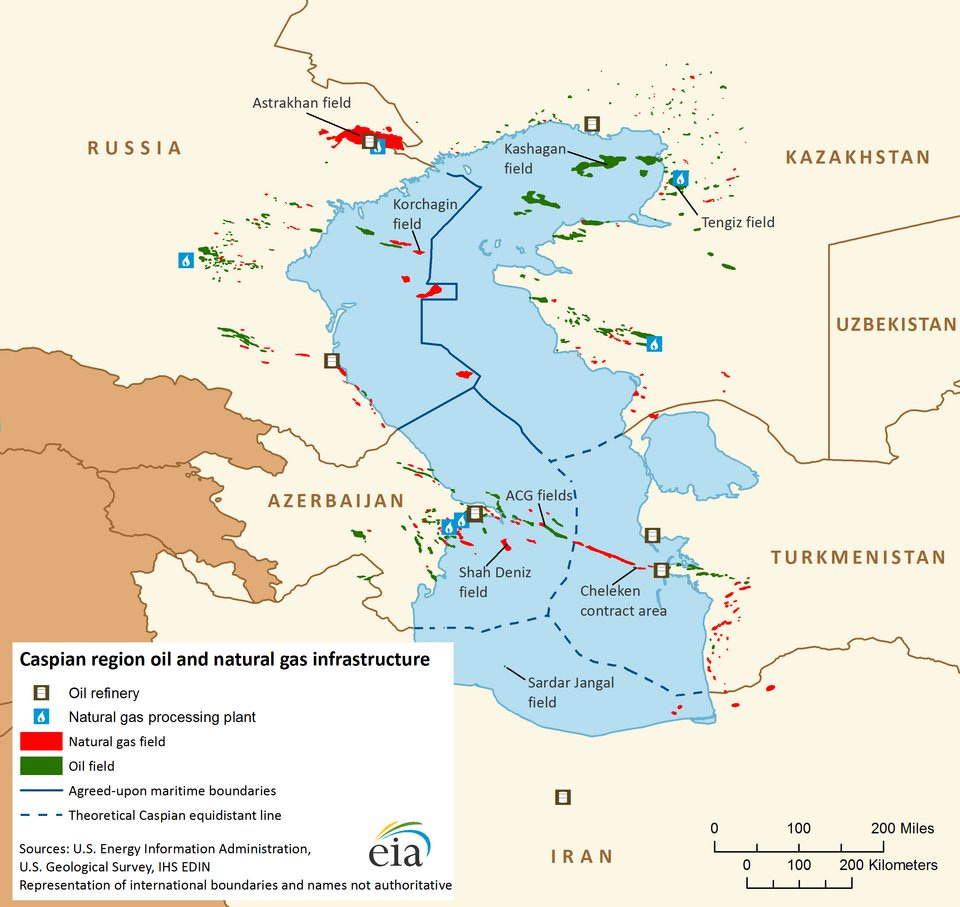
This episode underscores the single-point vulnerability of landlocked Caspian production, which remains heavily dependent on Russian-controlled Black Sea access. Diversification efforts—Trans-Caspian concepts, southern corridors, and other pipeline proposals—continue, but permanent, high-capacity alternatives remain incomplete amid geopolitical friction among littoral states.
Collectively, these chokepoints have left oil and gas markets unbalanced: curtailed Middle East LNG and crude, elevated prices, forced production cuts in places like Kazakhstan during outages, and accelerated moves toward permanent workarounds. Pipeline expansions, new overland routes (including Israeli proposals linking Gulf oil to Mediterranean ports), and capacity increases on existing bypasses are advancing as structural responses.
Just three weeks ago, the “Oil Analysts” said we would see $120 oil if just the Bab el-Mandeb Strait was closed; well, Lloyds of London is not issuing tankers for travel to Saudi ports. In Texas, we call that “Yup it is closed” and oil is going down.
Is it market manipulation? – I think so, and it will backfire on the administration for pulling this stunt.
Yet none fully replace the volume or flexibility of open maritime lanes, and LNG—lacking equivalent pipeline options—faces the sharpest constraint.
The UK continues aggressive targets despite clear operational warnings.
A leaked report commissioned by the UK’s National Energy System Operator (NESO), produced by Cornwall Insight, lays bare the risks. Rapid growth of decentralized wind, solar, and batteries has reduced grid operators’ visibility of real-time supply and demand. NESO is described as “flying blind, every minute of every day,” with inaccurate forecasts inflating balancing costs and elevating the risk of a total blackout. National Grid engineers have flagged these issues for years, but political sensitivities have limited public acknowledgment. The report preceded the June 2026 heatwave (temperatures to 37.7°C), which triggered emergency capacity notices. Corporate electricity prices in Britain run about 45% above the G7 average, with policy costs (heavily Net Zero-linked) accounting for roughly a fifth of business bills.
Constraint payments illustrate the waste: UK wind farms received £900 million in the first half of 2026 alone to curtail 28% of output due to transmission bottlenecks, with full-year projections climbing higher. Adding more intermittent capacity without corresponding firm power, storage at scale, demand flexibility, and transmission upgrades does not deliver reliable energy; it delivers higher bills and greater instability.
Physics, Grids, Manufacturing, and the Rat Hole of Intermittency
Grids need synchronous inertia, predictable dispatchable capacity, and accurate forecasting. Wind and solar are variable; their output correlates imperfectly with demand and can drop simultaneously across regions. Without sufficient baseload (nuclear, gas with carbon capture where viable, or other firm low-carbon sources) and flexibility, operators face cascading risks exactly as the NESO report describes. Money spent on additional intermittent capacity that must be curtailed or backed up at high cost is effectively wasted—thrown down a rat hole—while the system becomes less stable.
Manufacturing realities matter.
Physics is non-negotiable: energy density, capacity factors, and the need for continuous power to support industry, heating, and critical infrastructure. Intermittent sources require overbuilding and backup; without them, blackouts and industrial flight follow. Countries that treat Net Zero as an absolute rather than a balanced transition risk higher costs, reduced manufacturing competitiveness, and diminished energy security precisely when chokepoint disruptions demonstrate how fragile concentrated supply can be.
Kazakhstan’s rapid restart of CPC flows shows that pragmatic, diversified hydrocarbon logistics remain essential. Permanent pipeline solutions around Hormuz, the Red Sea, and the Caspian are rational responses to risk. Parallel realism is required on the demand and generation side in Europe: expand firm capacity, fix visibility and forecasting, shift green levies where they distort bills, and stop treating additional wind and solar as a free substitute for baseload.
The global energy balance is shaken.
Oil and gas markets are unbalanced by geography and conflict. Green energy policy that triples down without confronting grid physics, costs, and manufacturing constraints will not restore equilibrium—it will amplify instability. True energy security starts with an honest accounting of all three.
As I mentioned above, it is a mistake that will show up if the administration is manipulating the oil markets. The overall huge issue is that the refining capacity of the world is down, and we are running our refineries at 96% utilization right now.
There are scheduled maintenance cycles in August and September, and they need to have downtime. There is a HUGE correlation between high refinery utilization and refinery fires. We don’t need a drone attack to take one down; just not doing maintenance will do that just fine.
The crack spreads are the highest they have ever been, and those are the differences that refineries pay for the barrels, and then can “crack” the oil and sell the barrels of gasoline or diesel. Nothing the administration can do will lower gasoline prices, but demand destruction is about to set in.
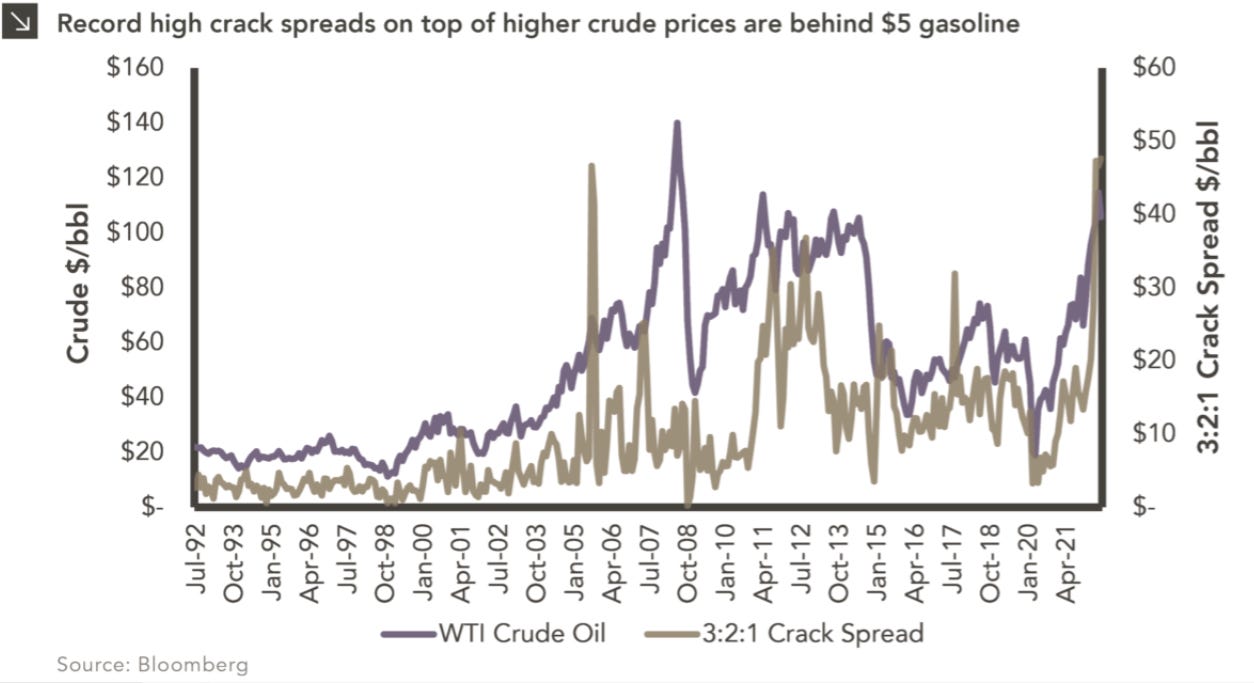
With demand destruction comes economic collapse, inflation, and other problems. Watch the Fed tomorrow. There is a 40% chance they will raise rates, which is dumb, or leave it alone to kick the can down the road. The gutsy play would be to lower rates, help consumers and businesses, but I can’t see gutsy in play tomorrow.
I am watching the Refiners in Stocks, but right now I am in 95% Cash, and looking at Sinclair and Marathon. Most of my other investments are in private oil and gas companies with returns on production. We do not give investment advice, and recommend you ask your CPA about tax-advantaged investments.
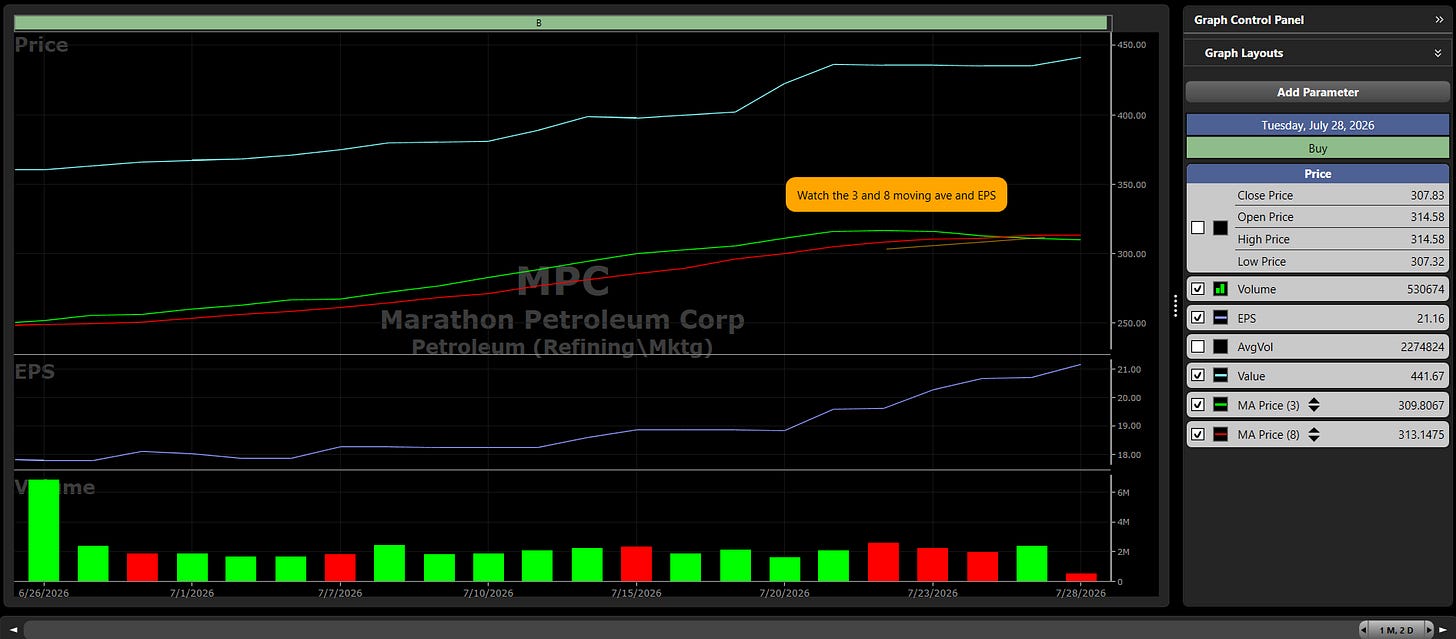
Watch the next few weeks. They will be critical for our country.
Watch our Blue States and Red States as they line up and follow the UK and EU, tripling down on wind and solar and not putting in pipelines. The rest of the world has already started moving pipelines and oil pieces on the Energy Chess Board, while our Blue States follow the Net Zero model to a financial and energy crisis.
Just a thank you to all of our great subscribers on YouTube, Substack, and readers on EnergyNewsBeat.co and Energy NewsBeat.com. We appreciate our sponsors, patrons, and Subscribers!
- Leaked UK Grid Report Warns Net Zero Push Raises Blackout Risks: https://energynewsbeat.co/electrical-generation/leaked-uk-grid-report-warns-net-zero-push-raises-blackout-risks/
- EIA World Oil Transit Chokepoints: https://www.eia.gov/international/analysis/special-topics/world_oil_transit_Chokepoints
- IEA Strait of Hormuz overview: https://www.iea.org/about/oil-security-and-emergency-response/strait-of-hormuz
- WTO Strait of Hormuz Trade Tracker: https://datalab.wto.org/Strait-of-Hormuz-Trade-Tracker
- Reuters on CPC/Kazakh oil suspensions and restarts (July 2026 reporting)
- OilPrice.com: Kazakhstan Restarts CPC Oil Exports After Week-Long Black Sea Shutdown
- Astana Times / Upstream Online coverage of CPC resumption (July 27, 2026)
- CNBC and related reporting on Hormuz bypass pipelines and alternatives
- Middle East Monitor and CFR analyses of 2026 Hormuz disruptions
- EU Clean Energy Investment Strategy and related Commission documents
- UK government Clean Flexibility Roadmap updates and constraint cost reporting
- Wood Mackenzie, UNCTAD, and industry analyses of Hormuz LNG and oil impacts
- Additional chokepoint volume and disruption reporting from EIA Today in Energy series, Reuters, Bloomberg, and shipping trackers (2025–2026 data)