China’s push to bring a second dedicated import terminal online for cargoes from Russia’s sanctioned Arctic LNG 2 project underscores strong underlying demand for liquefied natural gas (LNG) in the world’s largest buyer. The move highlights Beijing’s willingness to absorb discounted but geopolitically exposed supply to meet structural needs, even as stable alternatives like Qatar prepare a rapid comeback.
Longkou Terminal Expands Capacity for Russian Cargoes
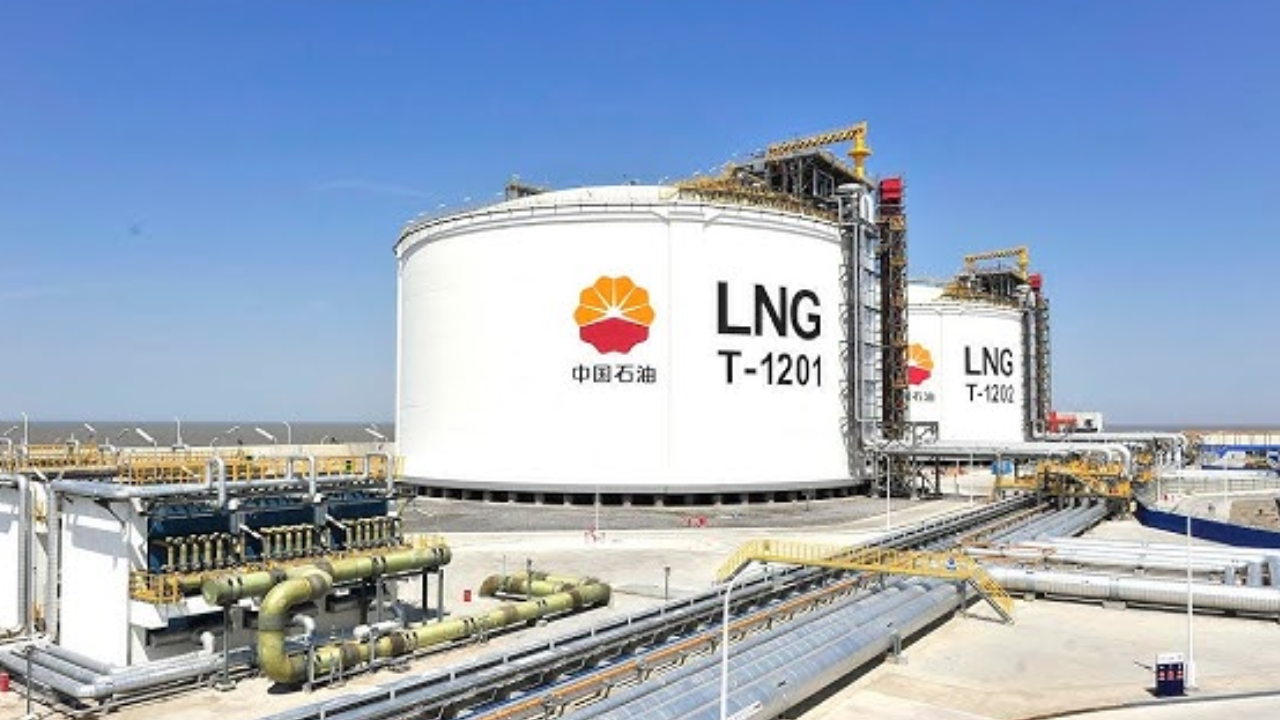
According to a Reuters report published on June 22, 2026, state pipeline giant PipeChina is lining up its newly built Longkou LNG terminal in Shandong province (coastal city of Yantai) to receive Arctic LNG 2 cargoes from Novatek. This doubles the current single-route setup that has relied exclusively on PipeChina’s Beihai terminal in Guangxi since the first delivery in August 2025.
Longkou’s completed first phase has an annual receiving capacity of 5 million tonnes (mtpa), compared with 6 mtpa at Beihai. The terminal has finished its mechanical build phase and is expected to be operational before October 2026, in time for peak winter demand.
Beihai has already handled 41 cargoes (approximately 2.6 million tonnes) from Arctic LNG 2 since August 2025, many transshipped via floating storage units in Russia’s Far East. China imported 7.57 million tonnes of LNG from Russia overall last year.
Commodity trader and analyst Jack Prandelli captured the strategic signal in a widely shared X post:“China building a second terminal for sanctioned Russian LNG tells you one thing for certain: the demand is real, and Beijing is willing to take supply risk to meet it… You don’t pour concrete for a second import point unless the underlying gas need is structural, not opportunistic.”
The post notes that leaning heavily on discounted, sanctioned Russian molecules is “cheap today and fragile tomorrow,” contrasting it with more stable long-term contracts from suppliers like Qatar.
Russia’s Arctic LNG Push Gains Momentum
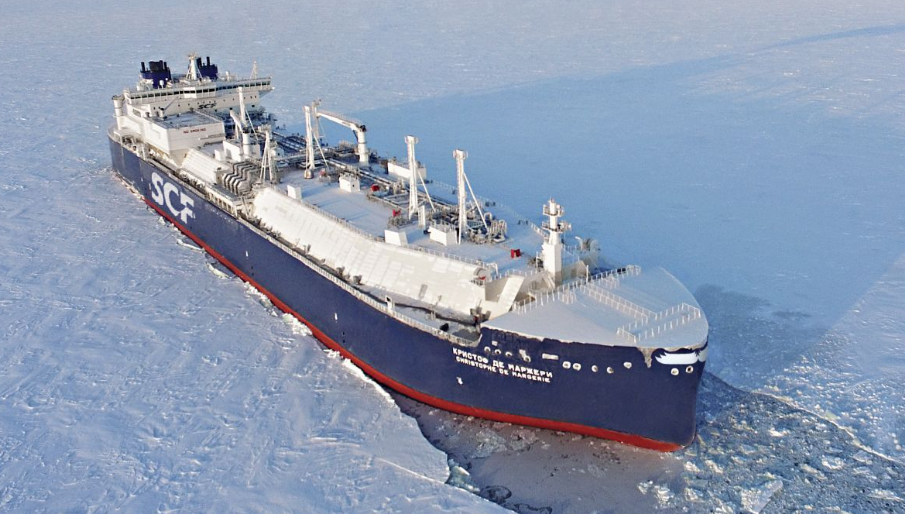
Russia is enhancing its ability to deliver Arctic LNG year-round despite sanctions. In late December 2025, Sovcomflot took delivery of the Alexey Kosygin, Russia’s first domestically built ice-class LNG tanker (Arc7-rated) specifically for the Arctic LNG 2 project. Built at the Zvezda Shipbuilding Complex, the vessel strengthens the shadow fleet’s capability to navigate icy waters and support expanded exports from the sanctioned facility on the Gydan Peninsula.
Arctic LNG 2 (designed for 19.8 mtpa across three trains) has faced significant hurdles from Western sanctions but has found a reliable outlet in China through deep discounts (reportedly 30-40% below market at times). The addition of Longkou will allow Novatek to move larger volumes more efficiently.
Qatar Prepares Rapid Restart with Tanker Fleet Return
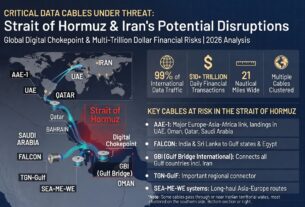
Meanwhile, Qatar — the world’s second-largest LNG exporter — is positioning for a swift return to full operations. Following disruptions tied to regional conflict and the temporary closure or restrictions on the Strait of Hormuz, QatarEnergy has been rushing empty LNG tankers back into the Persian Gulf.
Reports indicate 5 or 6 Qatar-linked LNG tankers have recently returned or are en route through the strait (with at least four actively transiting and others idling in the Gulf of Oman ready to follow). These vessels are being brought home to lift cargoes once safe passage and production resume at Ras Laffan.
QatarEnergy has informed buyers it expects to reach ~50% of capacity within one month of safe Hormuz reopening and ~80% within two months. Some damaged facilities may take years for full restoration, but the overall restart is proceeding faster than many analysts anticipated.
LNG Demand Trends Upward — Especially in Asia and China
Global LNG demand is showing clear signs of recovery and acceleration in 2026. The International Energy Agency (IEA) projects stronger global natural gas demand growth of nearly 2% this year, driven primarily by China and emerging Asian markets as the “LNG wave” of new supply spreads.
China remains the pivotal buyer. Analysts forecast Chinese LNG import growth of 3-10% year-on-year in 2026, with some rebound scenarios pointing to a 5% demand increase (~6 million tonnes). Lower prices have already triggered rapid import surges, and China is expected to be among the first markets to meaningfully surpass 100 mtpa in the medium term.
This demand backdrop explains why China is investing in additional infrastructure for discounted Russian supply even as Qatar’s stable volumes prepare to return.
Market Implications and Strategic Choices
The convergence of these developments paints a dynamic picture:Supply-side: Russia is unlocking more Arctic LNG with better ice-class tonnage; Qatar is poised to add significant volumes quickly.
Demand-side: China’s structural need supports both discounted sanctioned cargoes and future long-term contracts.
Risk vs. Reward: Beijing’s decision to double its dedicated Russian import capacity signals confidence in demand but also highlights a strategic vulnerability if geopolitical conditions shift.
As Prandelli noted, the supply mix China ultimately chooses — balancing cheap Russian molecules against stable Qatari or U.S. volumes — will reveal how it assesses its own long-term energy security.
The coming months will be telling as Longkou ramps up, Qatar’s tankers begin lifting again, and winter demand tests the balance between these flows.
Appendix: Sources and Links
- Reuters (June 22, 2026): “China lines up second LNG terminal for sanctioned Russian cargoes” — https://www.reuters.com/business/energy/china-lines-up-second-lng-terminal-sanctioned-russian-cargoes-sources-say-2026-06-22/
- X post by Jack Prandelli (
@jackprandelli
- Bloomberg (June 22, 2026): “Qatar Rushes to Bring Back Empty LNG Ships as It Lifts Exports” (and related reporting on tanker movements)
- Bloomberg (June 16, 2026): “Qatar Plans to Rapidly Restart LNG Output After Hormuz Reopens” — https://www.bloomberg.com/news/articles/2026-06-16/qatar-plans-to-rapidly-restart-lng-production-after-hormuz-opens
- IEA Gas Market Report (January 2026 outlook references) and related coverage on 2026 demand growth
- gCaptain / Marine Insight reporting on Alexey Kosygin ice-class LNG tanker delivery (Dec 2025)
- Kpler ship-tracking data and estimates referenced in Reuters
- Additional context from Global Energy Monitor on Longkou Nanshan LNG Terminal
All information is current as of June 22, 2026. Market conditions can evolve rapidly with geopolitical developments around the Strait of Hormuz and sanctions regimes.