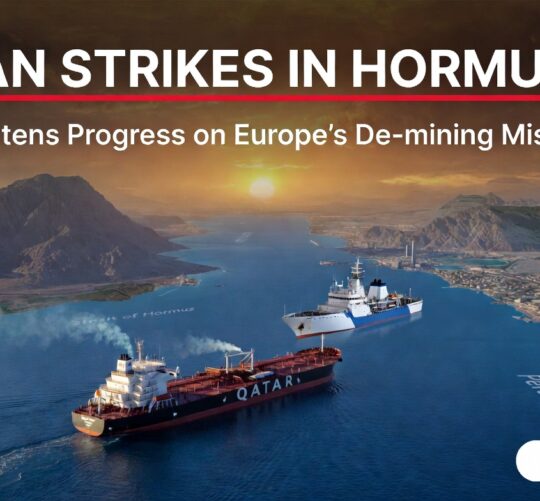
Iran Launches Bitcoin-Backed “Hormuz Safe” Shipping Insurance for the Strait of Hormuz

Iran has launched a new state-backed digital maritime insurance platform called “Hormuz Safe” for vessels transiting the Strait of Hormuz, one of the world’s most critical energy chokepoints. The platform accepts Bitcoin and other cryptocurrency payments, allowing instant blockchain-verified coverage in a clear attempt to bypass Western financial systems and sanctions. According to reports from […]

Continue Reading

OPEC+ Has Plan to Complete Series of Quota Hikes

In a move that signals business-as-usual intent amid extraordinary disruption, OPEC+ delegates have outlined plans to press ahead with a series of oil production quota increases, aiming to fully unwind the final layer of voluntary cuts announced in 2023 by the end of September 2026. According to Bloomberg reporting, key members intend to raise targets […]

Continue Reading

As Diplomacy Falters, Who Will Blink First and Next Steps?

The Strait of Hormuz crisis, now in its third month, has evolved from a dramatic military flashpoint into a grinding economic and diplomatic stalemate. As of May 12, 2026, President Donald Trump has rejected Iran’s latest counterproposal as “totally unacceptable,” describing the broader ceasefire as on “life support.” The Islamic Revolutionary Guard Corps (IRGC) continues […]

Continue Reading

China’s Teapot Refiners Slash Output as Hormuz Crisis Crushes Margins

Independent “teapot” refiners in China — the smaller, privately owned facilities concentrated in Shandong province that account for roughly a quarter of the country’s refining capacity — are slashing production rates as the ongoing paralysis in the Strait of Hormuz drives crude prices higher and crushes refining margins. According to industry sources cited by Reuters […]

Continue Reading

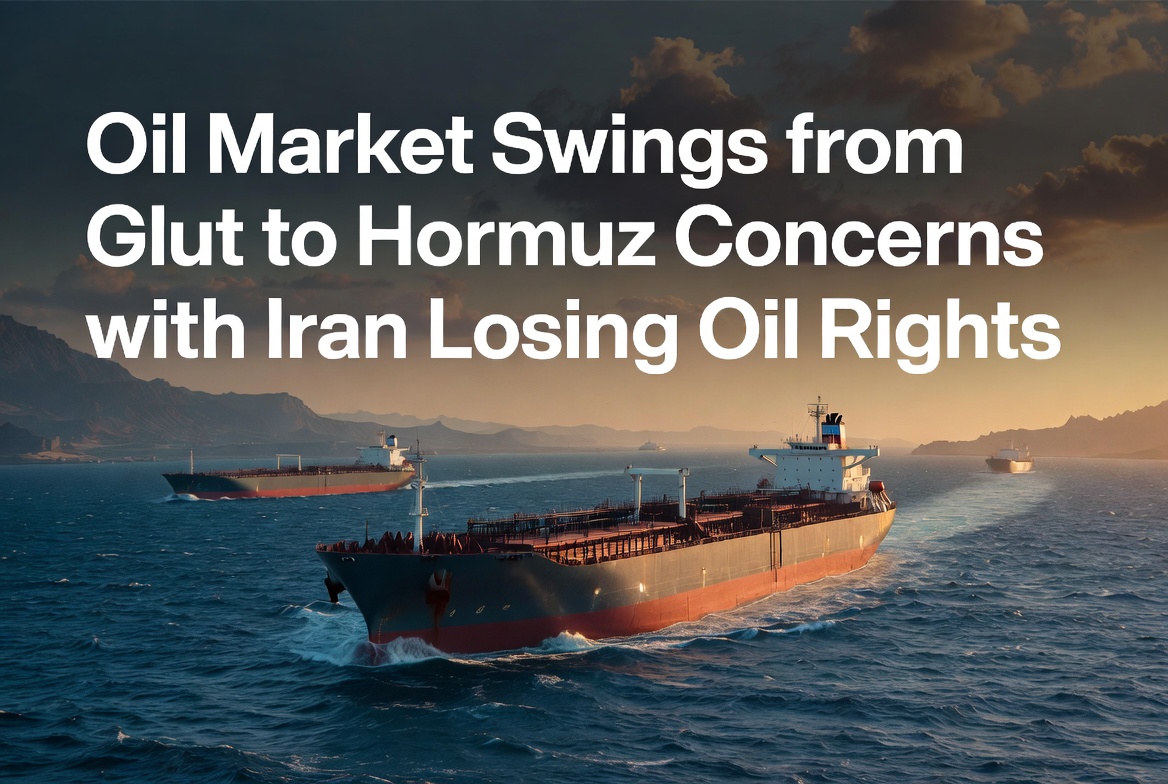
“Normalize” in the context of Aramco CEO Amin Nasser’s statement refers to the global oil/energy market fully rebalancing and stabilizing and not till 2027

This means restoring normal supply-demand equilibrium, rebuilding severely depleted global inventories, repositioning tankers and supply chains, restarting/rebalancing production flows, ending demand rationing/destruction, and removing the geopolitical risk premium that has driven price volatility and tightness. Nasser emphasized that simply reopening shipping routes (like the Strait of Hormuz) is not the same as market normalization, due […]

Continue Reading