

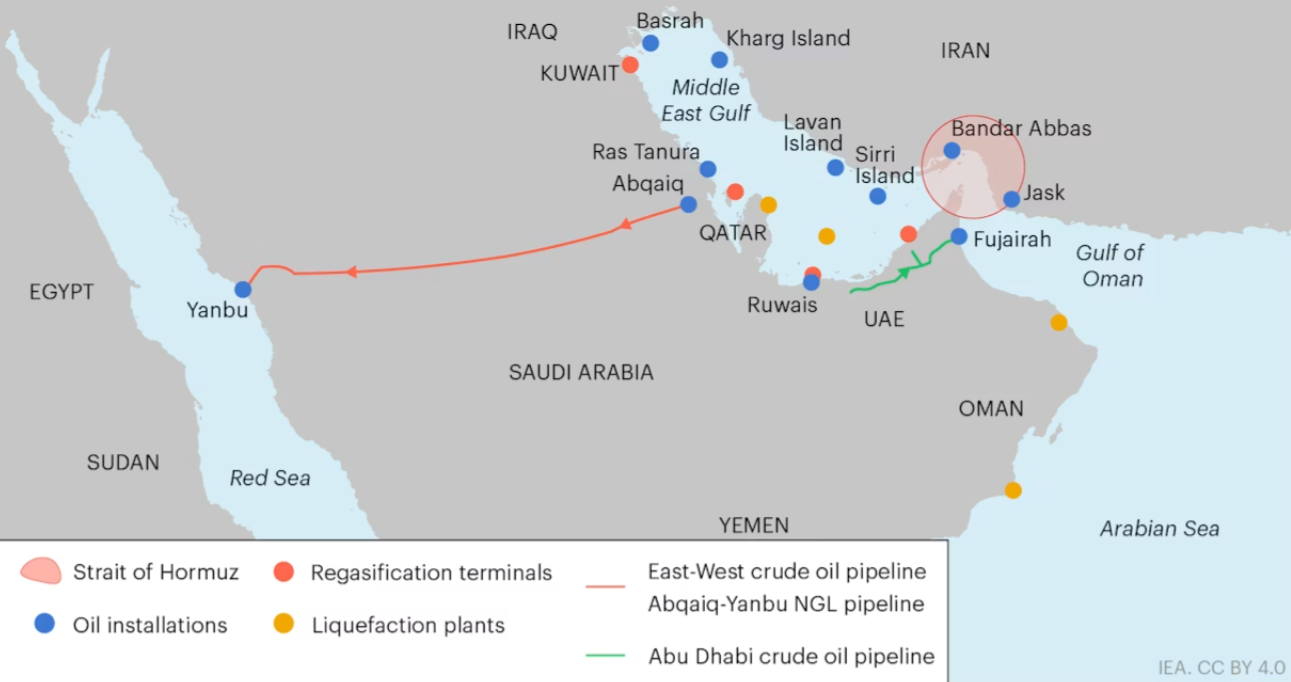
The conflict involving Iran has rapidly expanded beyond direct U.S.-Iran clashes into a broader regional war, with proxy actions, naval disruptions, and threats spanning the Persian Gulf, Strait of Hormuz, Yemen, and even the Caribbean. Oil prices are climbing on heightened supply risks, with Brent crude recently trading around $83–85 per barrel amid fresh attacks and U.S. responses.
Recent Tanker Attacks and Shipping Chaos
In the latest escalation, Iranian cruise missiles struck two UAE-flagged tankers — the oil tanker Mombasa and the LNG tanker Al Bahiyah — in Omani territorial waters in the southern Strait of Hormuz around July 13, 2026. One Indian crew member was killed and eight others injured.
These follow earlier incidents, including attacks on a Qatari LNG tanker and a Saudi-flagged crude carrier (reportedly Wedyan), with multiple vessels hit by projectiles in the strait in recent days.
The Strait of Hormuz — through which roughly 20–21 million barrels per day of oil normally transit — faces severe disruption. Several tankers have turned back, and maritime authorities have raised threat levels.iea.org
U.S. Reimposes Naval Blockade on Iranian Shipments
In direct response to the tanker attacks, the United States has reimposed a naval blockade on Iranian ports and shipments. President Trump ordered strikes on Iranian military facilities (including Bandar Abbas) and notified Congress under the War Powers Resolution.
This reverses any prior easing and targets Iran’s ability to export oil, further tightening global supply.
Saudi Arabia’s Actions Against Houthis and Risks to Exports
Escalation in Yemen adds another front. Yemen’s internationally recognized government (with Saudi backing) struck Sanaa International Airport’s runway to block an Iranian flight carrying Houthi delegates. Houthis retaliated by launching missiles and drones at Saudi targets, including Abha International Airport and King Khalid Air Base.
Saudi Arabia has a long history of direct strikes on Houthi positions. While current exchanges focus on airports, any broader Houthi retaliation against Saudi oil infrastructure poses serious risks.
Saudi Arabia exports an estimated 7 million barrels per day (with production historically in the 9–10+ million bpd range, though varying with OPEC+ cuts).
Disruptions to Saudi ports (e.g., Ras Tanura in the Gulf) or Red Sea routes, or direct attacks on facilities, could significantly curtail exports and amplify global supply tightness.
Naval Drone Warfare: U.S. Unmanned Surface Vessels Strike Iranian Submarine Facility
In a first-of-its-kind operation, U.S. Central Command used Corsair one-way attack unmanned surface vessels (USVs, or “drone ships”) to strike an Iranian submarine and ship maintenance facility at Bandar Abbas Naval Base near the Strait of Hormuz. Multiple drone boats successfully hit the target.
This marks the expanding role of autonomous naval drones in the conflict and demonstrates U.S. willingness to degrade Iranian naval capabilities asymmetrically.
The Cuba Drone Threat: 300+ Iranian/Russian Drones Near U.S. Shores
Adding a hemispheric dimension, U.S. intelligence reports that Cuba has acquired more than 300 military drones from Russia and Iran since 2023, with recent discussions about using them against U.S. targets, including Guantanamo Bay, naval vessels, and potentially Key West, Florida.
Iranian military advisers are reportedly present in Havana. While not an immediate “sleeper cell” invasion, the drone stockpile enables asymmetric strikes on U.S. soil or assets, raising the specter of Iranian proxy activity in the Western Hemisphere and complicating U.S. strategic focus.
Outlook for Consumers and Investors Over the Next Several Weeks
For consumers:
Expect upward pressure on gasoline, diesel, and jet fuel prices. A sustained disruption in the Strait of Hormuz (even partial) removes a massive chunk of global supply. Historical precedents and current modeling suggest Brent could test $90+ if tensions worsen, translating to noticeably higher pump prices within weeks. Supply chain costs will rise, feeding broader inflation. Airlines, trucking, and manufacturing face margin pressure.
For investors:
- Bullish for energy sector: Oil majors, upstream producers (including Saudi Aramco), and energy ETFs stand to benefit from higher realized prices.
- Volatility ahead: Shipping and insurance stocks face headwinds from war-risk premiums and rerouting. Broader equities could see risk-off moves if oil spikes, fueling recession fears.
- Key watchpoints: Hormuz traffic data, any new Saudi-Houthi clashes, OPEC+ responses, U.S. Strategic Petroleum Reserve releases, and diplomatic signals. Prediction markets currently price roughly 50% odds of normalized Hormuz traffic by year-end.
The situation remains highly fluid. Further tanker or infrastructure attacks, or escalation involving Saudi oil assets, could drive sharper price spikes. Conversely, credible de-escalation talks could ease pressure quickly. The regionalization of the conflict — via Houthis, naval drone operations, and even distant threats from Cuba — has made energy markets far more sensitive to geopolitical headlines than at any point in recent years.
Energy investors should prepare for sustained volatility, while consumers should budget for higher fuel and related costs in the near term.
Appendix: Sources and Links
- Oil price data: Trading Economics, Investing.com, Oilprice.com (July 2026 updates)
- Tanker attacks & Hormuz incidents: Al Jazeera, Reuters, NBC News, Wikipedia (List of ships attacked during the 2026 Iran war)
- U.S. blockade & strikes: Reuters, X trending summaries, DefenseScoop
- Saudi-Houthi escalation: Al Jazeera, Reuters (July 2026)
- Naval drone attack on submarine facility: Al Jazeera, DefenseScoop, CENTCOM statements
- Cuba drones: Axios (May 2026 exclusive), Fox Business, The Hill
- Saudi oil exports/production: House of Saud analysis, Vortexa/Reuters data, Trading Economics
All information drawn from publicly reported developments as of mid-July 2026. Markets and events move rapidly — verify latest data before making decisions.