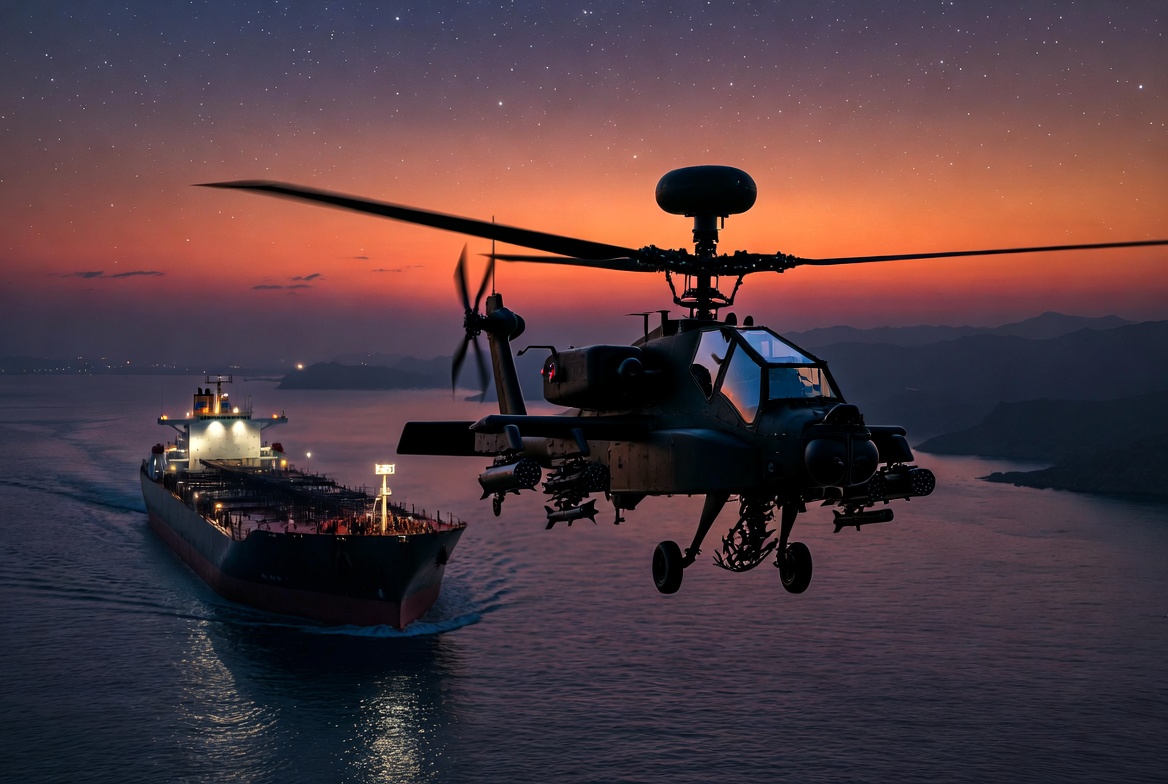
In the high-stakes waters of the Strait of Hormuz, where roughly 20% of global oil trade flows daily, a dramatic incident unfolded on June 8-9, 2026, that underscores the unseen military efforts keeping energy markets stable. A U.S. Army AH-64 Apache helicopter was struck by an Iranian Shahed drone, forcing an emergency ditching into the sea off the coast of Oman. Both crew members survived, thanks in part to a groundbreaking rescue by an unmanned “robot boat.” What appeared at first as an isolated clash is now revealed as one chapter in a larger, covert U.S. operation to escort commercial tankers through waters Iran has repeatedly threatened to close.
The Apache Incident: Drone Collision and Harrowing Escape
While patrolling regional waters near the Strait of Hormuz, the Apache’s crew encountered an Iranian Shahed drone. The drone slammed directly into the helicopter’s canopy. Its warhead-packed nose cone lodged inside the cockpit and burned without detonating — a narrow escape that likely prevented a catastrophic explosion.
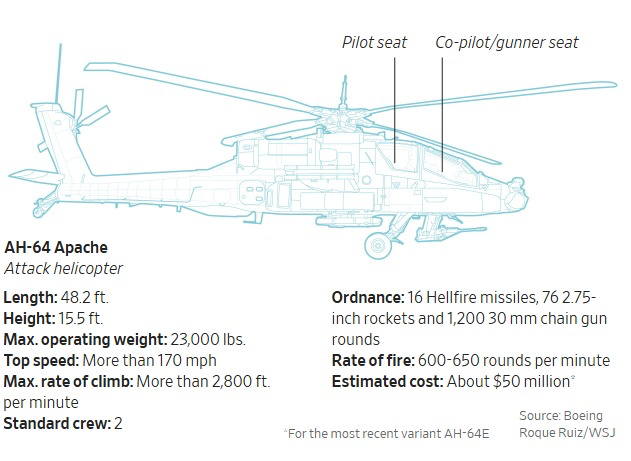
The pilots reacted instantly. They ditched the $50 million aircraft into the water. Both crew members jettisoned the damaged canopy and climbed out seconds before the helicopter sank. U.S. Central Command confirmed the two soldiers were safely recovered and are in stable condition.
Historic Rescue by Robot Boat
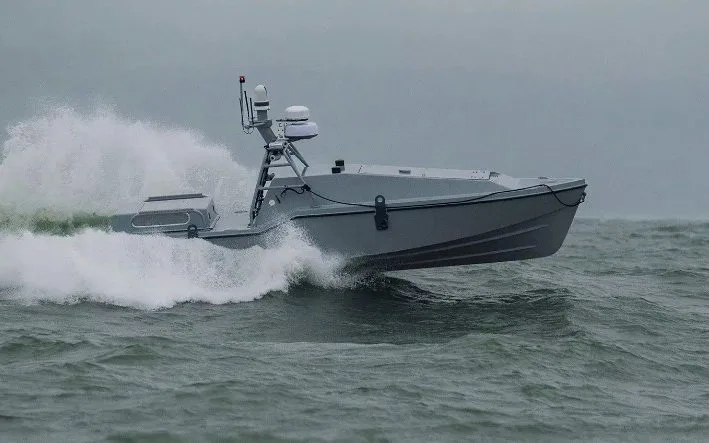
What happened next marked a milestone in naval operations. For the first time in military history, an unmanned surface vessel (USV) — the U.S. Navy’s Corsair autonomous drone boat, operated by Task Force 59 out of the 5th Fleet — located the downed crew in the water. The AI-powered vessel pulled the two aviators aboard and transported them out of harm’s way within approximately two hours. A follow-on helicopter then completed the extraction.
The Corsair’s rapid response prevented potential capture by Iranian forces and demonstrated how unmanned systems are reshaping high-risk missions in contested waters like the Gulf.
Behind-the-Scenes: The Secret Tanker Escort Mission
The downed Apache was not on a routine patrol. According to reporting tied to the incident and President Trump’s own disclosures, the helicopter was supporting a covert U.S. military operation launched last month. The mission uses fighters, helicopters, and other assets to shield commercial ships from Iranian drones and missiles, ensuring the safe passage of oil tankers through the Strait of Hormuz.
President Trump quietly highlighted the operation’s early success during Oval Office remarks on June 10. He referenced escorting 22 ships — including very large tankers — through the strait late at night without lights, noting that U.S. strikes had degraded Iran’s radar capabilities. “We took out the other night 22 ships late at night with no lights, because they don’t have any radar, because we blasted the crap out of it,” Trump stated.
Later that day, Trump announced on social media that the broader effort had enabled more than 100 million barrels of oil and over 200 commercial ships to transit the strait safely. “This wildly successful effort is because the UNITED STATES of AMERICA CONTROLS the Strait of Hormuz — NOT Iran,” he posted.
These operations have remained largely out of the public eye, even as markets have avoided the worst-case spike in oil prices that many feared when Iran first threatened to close the waterway earlier this year.
Why This Matters for Global Energy
The Strait of Hormuz remains the world’s most critical chokepoint for oil. Disruptions here ripple instantly into gasoline prices, supply chains, and inflation worldwide. By quietly maintaining a security umbrella over commercial shipping — without fanfare or large-scale naval convoys — the U.S. has helped keep oil flowing and prevented a broader energy crisis. The Apache incident and its robot-boat rescue illustrate both the risks involved and the innovative tactics being deployed behind the scenes.While Iran has denied intentional involvement in the helicopter strike (some U.S. officials described it as a collision during an ongoing investigation), the event triggered U.S. retaliatory strikes on Iranian air defenses and radar sites near the strait. Iran responded with its own attacks on U.S. bases, but the tanker-escort mission has continued.
This episode serves as a powerful example of the high-stakes, low-profile work that keeps energy markets functioning amid geopolitical tension. As one insider noted in coverage of the event, these are precisely the kinds of operations the public rarely hears about — until something goes wrong, or right.
Appendix: Sources and Links
- Mario Nawfal X post (full story summary referencing WSJ): https://x.com/MarioNawfal/status/2064809589284200685
- ABC News – Trump claims more than 100 million barrels of oil, 200 ships: https://abcnews.com/Politics/trump-claims-100-million-barrels-oil-200-ships/story?id=133759533
- CNBC – Trump says U.S. secretly moved millions of oil barrels through Strait of Hormuz: https://www.cnbc.com/2026/06/10/trump-strait-hormuz-iran-oil-tanker-navy.html
- The Hill – Trump claims secret US oil mission through Strait of Hormuz: https://thehill.com/homenews/administration/5918796-trump-claims-secret-oil-mission/
- New York Times – Sea drone rescues crew after U.S. Apache goes down near Strait of Hormuz: https://www.nytimes.com/2026/06/09/world/middleeast/sea-drone-apache-rescue.html
- BBC – Sea drone rescues US army helicopter crew near Strait of Hormuz: https://www.bbc.com/news/articles/cwy0l44ex5wo
- Wall Street Journal (related reporting on Apache crash and strikes): https://www.wsj.com/world/middle-east/apache-helicopter-crash-coast-oman-4de26c6d
- The Aviationist – Iranian Drone Took Out U.S. Apache Downed in the Strait of Hormuz: https://theaviationist.com/2026/06/09/iranian-drone-took-out-us-apache/
- Additional context from AP, Axios, and CENTCOM statements as referenced in coverage above.
All information is drawn from publicly reported statements, official confirmations, and contemporaneous news accounts as of June 11, 2026. Energy News Beat will continue monitoring developments in the Gulf and their direct impact on global oil markets.