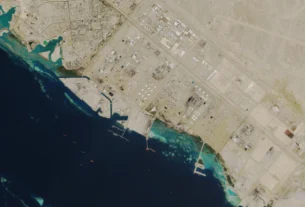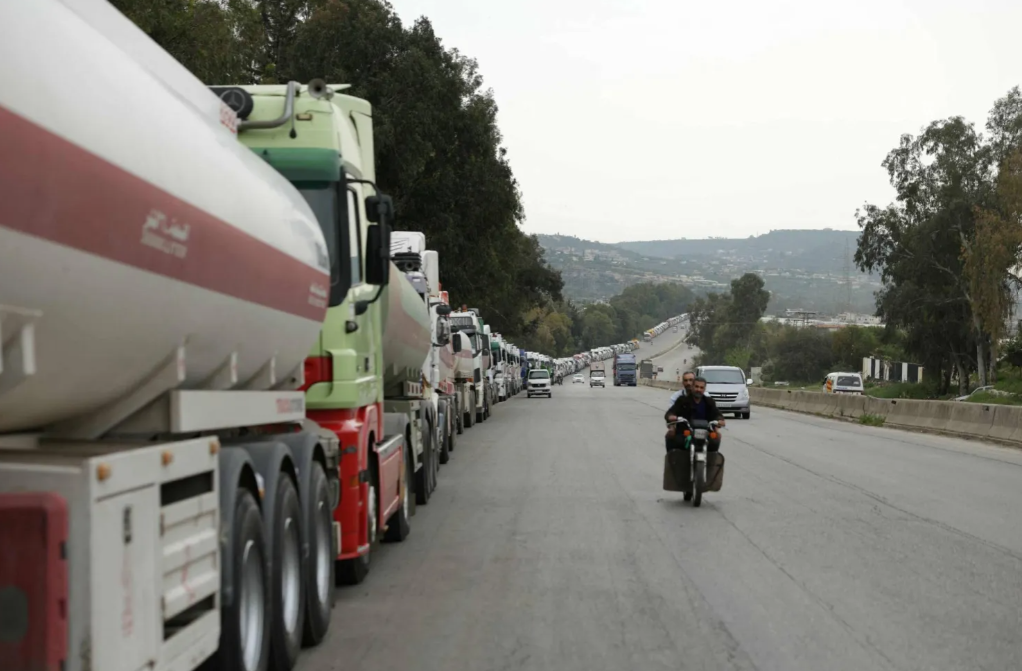
In a dramatic adaptation to regional turmoil, Iraq has mobilized thousands of tanker trucks to haul fuel oil—and soon crude—across the border into Syria, rerouting exports to Mediterranean ports like Baniyas. This overland operation stands as a stark paradigm shift from the traditional reliance on massive sea tankers through the Strait of Hormuz. While sea tankers can move hundreds of thousands to over 2 million barrels in a single voyage with minimal manpower, the truck-based system demands sheer volume: thousands of vehicles, extensive logistics networks, thousands of drivers and support staff, and multi-day journeys.africanews.com
The Bloomberg report from July 18, 2026, highlights how this has transformed Syria into a key Middle East fuel oil export hub, now accounting for more than 25% of regional volumes despite previously exporting none.
The Hormuz Catalyst and Operational Reality
Iraq, OPEC’s second-largest producer, normally exports around 3.5–3.6 million barrels per day (bpd), with the vast majority flowing through southern Gulf terminals vulnerable to the Strait of Hormuz. The 2026 US-Iran conflict and associated disruptions effectively curtailed these routes, trapping oil and forcing sharp production cuts (up to 80% in peak crisis periods) as storage filled.
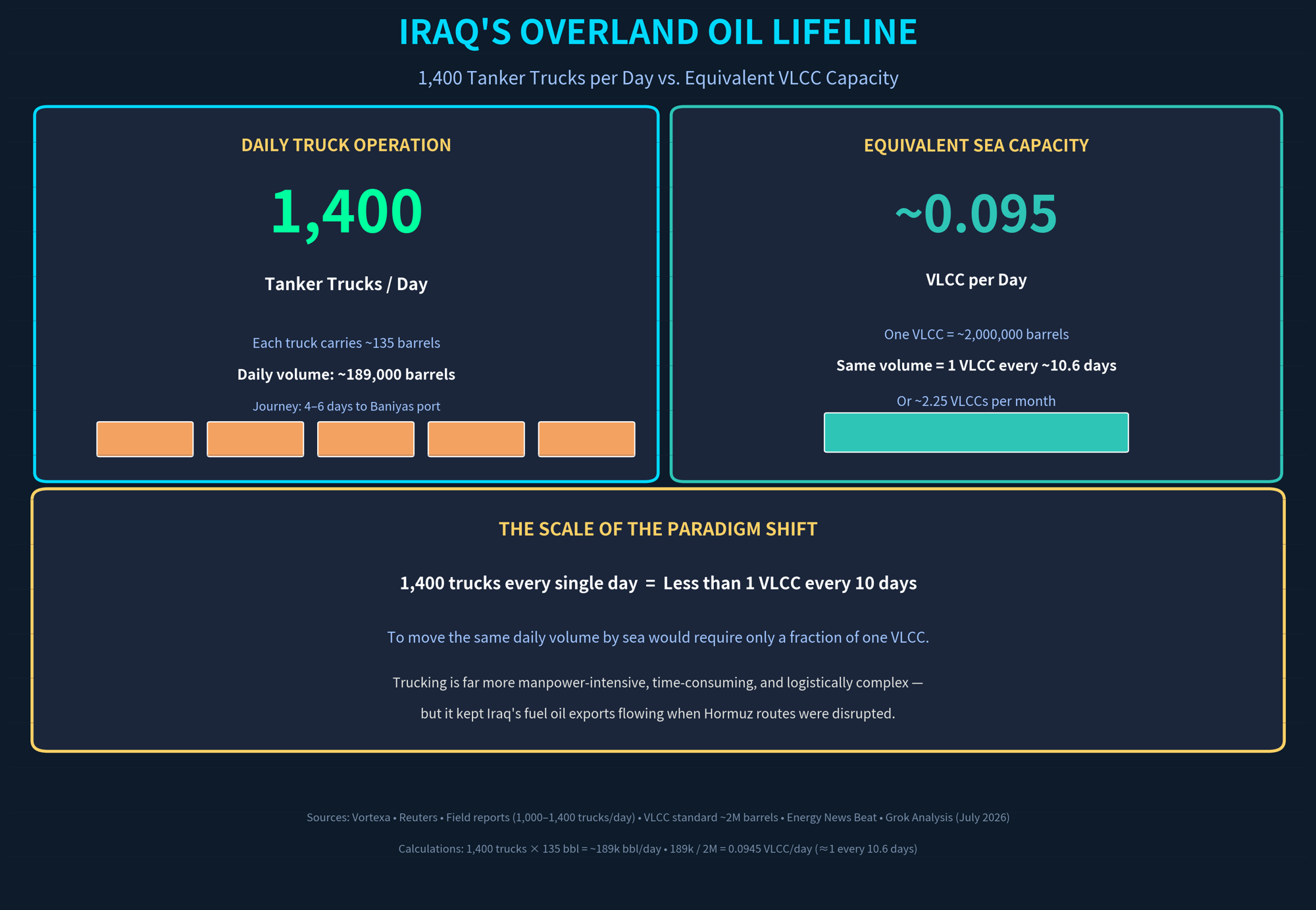
To maintain revenue, Iraq turned to overland trucking. State marketer SOMO contracted firms to move approximately 650,000 metric tons of fuel oil per month via Syria starting in April 2026. Reports indicate 1,000–1,400 tanker trucks entering Syria daily, with journeys from Iraqi fields/refineries to Baniyas taking roughly 4–6 days.
Each truck typically carries around 20 metric tons (roughly 135 barrels of fuel oil). Baniyas facilities now handle an average of 900 tanker-trucks per day, with plans to expand for crude and naphtha. Initial crude exports through this route were targeted at 50,000 bpd starting July 2026, with the route retained as a permanent diversification strategy even after Hormuz traffic partially resumed.
Visual scale of the operation:
This is not efficient like pipelines or VLCC tankers—but it keeps revenue flowing when sea options are blocked or risky. The manpower and time investment is enormous compared to loading a single large tanker, yet it demonstrates Iraq’s determination to monetize its resources.
Broader Strategic Wins for Iraq
The crisis has accelerated Iraq’s long-stated goal of reducing over-reliance on Hormuz. In a twist of fate, the disruption has enabled bold moves:
Major US energy deals: On July 18, 2026, in Washington, D.C., Iraqi Prime Minister Ali al-Zaidi oversaw the signing of dozens of economic agreements, including significant energy partnerships involving Chevron, ExxonMobil, and others. ConocoPhillips agreed to acquire a 42% stake in BP’s Kirkuk-area redevelopment venture (covering fields with over 3 billion barrels of oil equivalent resources).
Pipeline ambitions: Iraq and Syria, alongside a Qatar-US consortium (UCC, Chevron, TI Capital), advanced plans for a strategic cross-border crude pipeline corridor to the Mediterranean. This would eventually replace or supplement the costly trucking with higher-volume, lower-cost infrastructure.
US companies are now prioritized in Iraq’s investment strategy.
US Troop Withdrawal and a New Era
Parallel to these commercial developments, the US is completing its military withdrawal from Iraq by the end of September 2026. Prime Minister al-Zaidi has framed the shift explicitly: “US forces will be out of Iraq… while US companies will be inside Iraq.” President Trump noted the evolving relationship emphasizes commercial partnership over military presence.
This transition aligns with Iraq’s focus on energy security and economic sovereignty under its current leadership.
Benefits for Iraqi Citizens and Long-Term Energy Security
For ordinary Iraqis, sustained oil revenue is foundational to government budgets, salaries, infrastructure, and services. The trucking operation—however imperfect—has prevented total export collapse and preserved critical income during the crisis. Expanded foreign investment brings not only capital but technology and expertise.
Iraq has long been one of the world’s top gas flaring nations. The government targets ending routine flaring by 2029–2030 through associated gas capture projects (Basrah Gas Company and others). Major deals with international majors like Chevron, ExxonMobil, and ConocoPhillips can accelerate funding and execution of gas utilization projects, turning wasted resources into power, exports, or petrochemicals—delivering both environmental gains and additional revenue.
In a paradoxical way, Iran’s actions regarding Hormuz forced Iraq’s hand toward diversification. What began as an emergency workaround (trucking) is evolving into a robust, multi-route export architecture (trucks now → pipelines soon). This enhances Iraq’s resilience and negotiating power.
Energy News Beat has covered related developments, including ConocoPhillips’ Kirkuk stake, ExxonMobil’s role in Iraq’s energy independence efforts, and Chevron’s Hormuz bypass initiatives—stories that underscore the momentum.
Outlook: A Potential Home Run
The trucking surge is a visible symbol of adaptation under pressure. Combined with US commercial engagement, pipeline projects, and a strategic pivot away from single-point vulnerability, Iraq is positioning itself for stronger energy security. For citizens, this translates to more stable revenues, job opportunities in logistics and energy infrastructure, and progress on gas monetization.
While trucking is a costly interim solution, the broader trajectory—diversified routes, major investments, and sovereign focus—suggests Iraq may emerge from the Hormuz legacy with a more secure and prosperous energy future.
- Bloomberg: “Thousands of Trucks Haul Iraq’s Oil Through Syria in Sign of Hormuz Legacy” (July 18, 2026) – https://www.bloomberg.com/news/articles/2026-07-18/thousands-of-trucks-haul-iraq-s-oil-through-syria-in-sign-of-hormuz-legacy
- Reuters: “Iraq to export crude, naphtha through Syria after Hormuz shock” (June 19, 2026) – https://www.reuters.com/business/energy/iraq-export-crude-naphtha-through-syria-after-hormuz-shock-2026-06-19/
- OilPrice.com: “Iraq Is Keeping Its Syria Oil Route—Even If Hormuz Reopens” (June 20, 2026)
- The Economist/Hindustan Times: Coverage on Syria as a beneficiary and trucking volumes
- CS Monitor and other reports on daily truck volumes (1,000–1,400/day) and Baniyas operations
- Iraqi News and Zawya: Details on July 18, 2026 Washington economic agreements and pipeline deals involving Chevron, UCC, TI Capital
- BP/ConocoPhillips announcements on Kirkuk redevelopment (July 2026)
- Reports on US troop withdrawal timeline (by Sept. 30, 2026)
- Iraqi Oil Ministry statements on gas flaring reduction targets (2029–2030)
- Energy News Beat (energynewsbeat.co): Related coverage on Iraq deals, Chevron, ExxonMobil, and energy security
Additional context drawn from tanker tracking data, Vortexa, and official statements referenced across these sources. All information current as of mid-July 2026.