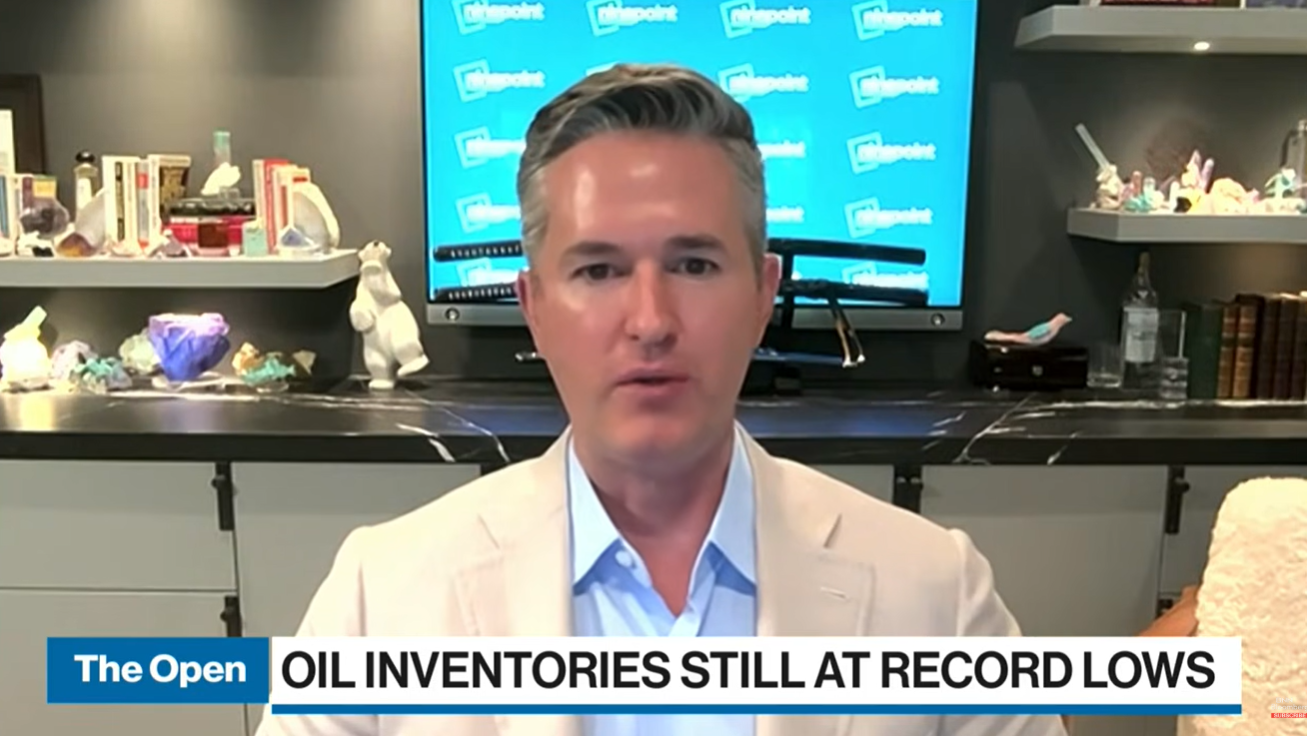
In a timely BNN Bloomberg interview today, Eric Nuttall, Partner and Senior Portfolio Manager at Ninepoint Partners (manager of one of Canada’s largest energy funds), delivered a candid assessment of the global oil market following more than three months of conflict involving the U.S., Israel, and Iran.
Nuttall emphasized that while news of an interim U.S.-Iran framework agreement to end hostilities and reopen the Strait of Hormuz has triggered an immediate drop in oil prices, the underlying physical damage and supply disruptions point to a higher structural floor for prices and significant opportunities in energy equities—particularly Canadian ones—once the acute phase passes. He has repeatedly framed this post-crisis environment as “the day after.”
The Recent Conflict and the New Deal
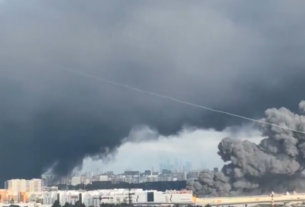
The conflict, which escalated with U.S.-Israeli strikes on Iranian targets in late February/early March 2026, led to widespread retaliatory strikes on energy infrastructure across the Gulf region. Multiple reports document damage to dozens of refineries, oil fields, gas plants, and export terminals in Iran, Saudi Arabia, the UAE, Kuwait, Qatar, Bahrain, and elsewhere.
At least 23 oil and gas sites across nine countries were targeted in the early weeks alone, according to analyses of satellite imagery and official statements.
The Strait of Hormuz—through which a significant portion of global oil trade flows—was effectively disrupted, contributing to major production shut-ins and shipping hesitancy.On or around June 12–15, 2026, the U.S. and Iran reached a framework agreement (memorandum of understanding) to extend the ceasefire for 60 days, reopen the Strait of Hormuz to international shipping, lift the U.S. naval blockade on Iranian ports, and defer detailed nuclear negotiations. Formal signing is expected soon (reports point to June 19 in Switzerland).

Oil prices have reacted downward on the news (trading near or below $80/bbl WTI in recent sessions), but analysts and executives caution that full normalization of supply chains could take months.
Nuttall’s Key Points from the Bloomberg Interview
Drawing from the transcript and Nuttall’s commentary:
Massive cumulative production loss and lag effects: The market has already forfeited roughly 1.7 billion barrels of Middle Eastern production. Even with the Strait reopening, a lag effect means the effective loss could reach around 11 million barrels per day before normalization. Onshore storage in affected regions is full, backing up production to the wellbore.
Widespread infrastructure damage: There has been “enormous damage at a number of facilities—about 70 in the world.” Nuttall noted that during recent meetings in Washington, “some of the scuttlebutt was the damage in certain countries is far worse than has been let on.” He also highlighted the risk of formation damage and long-term productive capacity loss from prolonged shut-ins.
Record-low inventories creating a “new normal”: Global onshore inventories are at their lowest levels in history for this time of year. U.S. inventories are at or approaching historic lows. The U.S. Strategic Petroleum Reserve (SPR) had only about 50 million barrels of usable capacity remaining, which Nuttall indicated would have been exhausted by July–August without intervention.
Independent corroboration comes from the U.S. EIA (June 9 report), which warned that OECD oil stockpiles are headed toward multi-decade lows (lowest since at least 2003), potentially falling below 2.3 billion barrels by year-end due to war-related output losses.
Higher price floor ahead: Nuttall sees ~$80 WTI as the approximate floor going forward, driven by the need for massive restocking. He estimates demand could rise by ~450,000 barrels per day annually for the next three years purely from inventory rebuilding (including China reversing its destocking).
Positioning for “the day after”: Nuttall’s playbook during any geopolitical spike (e.g., toward $150) was to sell aggressively into strength. His fund has been sitting on significant cash (~23% in recent commentary). Now, with the acute crisis easing, he sees the energy sector—especially Canadian producers—as undervalued. Canadian energy stocks are “counting $65 long term,” but marginal costs of supply are meaningfully higher, offering “meaningful upside still ahead.”
Nuttall has been consistent on this theme in prior updates, describing the post-conflict period as one where depleted inventories and restocking needs support a structurally higher oil price floor, making many energy equities cheap relative to that reality.
Cross-Checks with Broader Sources
Damage claims: Align with reporting on strikes hitting major facilities (e.g., Ras Tanura in Saudi Arabia, Ruwais in the UAE, Ras Laffan LNG in Qatar, and multiple Iranian sites). Official numbers may understate full operational impacts, consistent with Nuttall’s Washington “scuttlebutt.”
Inventories and supply tightness: Strongly supported by EIA, Goldman Sachs, Citi, and IEA commentary on record drawdowns and critically low visible stocks.
Price outlook and recovery timeline: Oil executives (e.g., from Chevron and Exxon) have warned of lingering tightness and potential spikes if tanker flows and rebuilding lag.
Canadian energy angle: Nuttall’s bullish stance aligns with broader investor interest in Canadian producers as a stable, lower-geopolitical-risk supply source amid global disruptions.
Implications
The immediate market reaction to the deal is relief-driven selling in oil and related equities. However, Nuttall argues the fundamentals point to a tighter market than pre-conflict levels. The combination of physical damage, shut-in risks, depleted inventories, and restocking demand creates what he calls a “new normal” with a higher price floor.
For Canadian energy stocks, this environment—coupled with strong free cash flow, buybacks, and dividends—could drive meaningful re-rating as investors shift focus from the spike to the recovery phase.
Nuttall’s fund appears well-positioned with dry powder to deploy into what he views as undervalued assets.
- BNN Bloomberg Interview (primary source): https://www.youtube.com/watch?v=WGhFR1AkVyk
- Eric Nuttall X post: https://x.com/ericnuttall/status/2066545397418365274
- Reuters on U.S.-Iran deal (June 12, 2026): https://www.reuters.com/world/middle-east/trump-says-iran-war-deal-close-strait-hormuz-tensions-linger-2026-06-12/
- EIA Short-Term Energy Outlook on inventories (June 9, 2026): Referenced in Reuters coverage
- Reports on infrastructure damage: EnergyNow, Reuters graphics, ABC News analyses (March–April 2026)
- Additional context on “day after” theme: Ninepoint Partners updates and prior Nuttall commentary (e.g., LinkedIn, Globe and Mail)
- Broader market reactions: Bloomberg, Axios, Al Jazeera (June 2026)
This article is based on publicly available information as of June 15, 2026. Energy markets remain volatile and subject to rapid geopolitical developments.