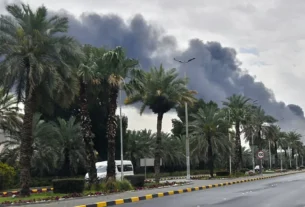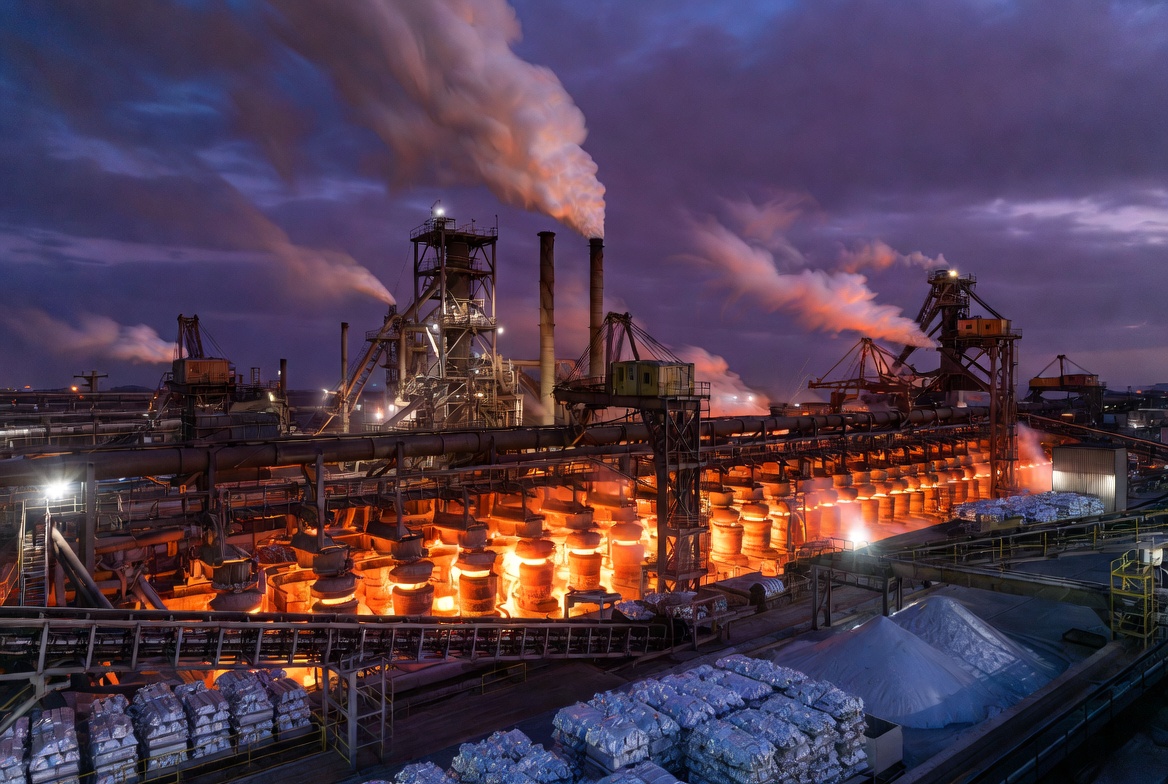
The global aluminum market is confronting what analysts describe as one of the largest base metals supply shocks in the post-2000 era. Missile strikes tied to the ongoing conflict in the Middle East have damaged key Gulf smelters, while the closure of the Strait of Hormuz has created severe logistical bottlenecks. The result: a sharp drop in Western production, collapsing inventories, and aluminum prices surging to multi-year highs. For the energy sector—where aluminum is essential for power transmission lines, solar frames, wind turbine components, EV structures, and the massive grid buildout needed for AI data centers—this outage is more than a commodity story. It’s a direct threat to the pace and cost of the energy transition.
The Scale of the Supply Crisis
The Gulf Cooperation Council countries produce roughly 6 million tonnes of primary aluminum annually—about 9% of global supply—and export the majority through the Strait of Hormuz. Recent events have crippled output:
Emirates Global Aluminum’s (EGA) Al Taweelah smelter in the UAE and Aluminum Bahrain’s facilities sustained significant damage from strikes; repairs at Al Taweelah could take up to a year.
Qatar’s Qatalum has cut capacity.
Mozambique’s Mozal smelter has shuttered due to high energy costs.
Western-world production has fallen by an estimated 2.4 million tonnes in just two months. London Metal Exchange (LME) registered stocks have plunged by one-third to 339,475 tonnes since the start of 2026. Analysts now forecast a market deficit of at least 2 million tonnes by year-end, with the risk of an even larger shortfall if the conflict persists.
Prices have responded dramatically. Aluminum futures on the London Metal Exchange have climbed more than 16% since the escalation, recently hitting levels not seen since early 2022. Physical premiums have exploded: the U.S. Midwest premium is at record highs, European and Asian premiums have doubled or more, and all-in delivered costs in the U.S. have topped $6,000 per metric tonne in recent weeks—double 2024 levels in some cases.
The U.S. Market: Tariffs Amplify the Pain
The United States is especially vulnerable. America imports about 80% of the primary aluminum it consumes. The Trump administration’s 50% Section 232 tariffs on aluminum imports—originally aimed at Canada, Mexico, and others—have already driven Canadian shipments down sharply (from over 200,000 tonnes per month to roughly 50,000 tonnes since April 2026). Alternatives from China or Russia face even higher barriers or banking reluctance.
U.S. inventories have fallen to critically low levels (below 300,000 tonnes in some estimates). Combined with the Gulf disruption, this has pushed the Midwest transaction premium to record territory and all-in costs for U.S. buyers to levels that are now 15–20% higher year-over-year for the second straight year.
What This Means for Investors
For investors, the supply crunch creates a clear tailwind for companies with U.S. or North American production capacity. Domestic producers can sell at premium prices while competitors scramble for scarce metal.
Key U.S.-focused companies to watch:
Alcoa Corporation (NYSE: AA) — One of the last major primary aluminum smelters in the U.S., with operations across bauxite mining, alumina refining, and aluminum production. Alcoa has already seen strong operational improvements and benefits directly from higher realized prices. Shares have rallied sharply on the latest news and are up over 100% in the past 12 months.
Century Aluminum Company (NASDAQ: CENX) — Operates the other major U.S. smelters and has announced restarts of idled capacity (e.g., Mount Holly). Century is highly leveraged to primary aluminum prices and has posted even stronger stock gains (up ~194% over the past year).
Kaiser Aluminum (NASDAQ: KALU) and Constellium SE (NYSE: CSTM) — These are more downstream/fabrication-focused but still benefit from tight supply and strong demand in aerospace, automotive, and packaging. Both have seen solid gains and offer exposure to value-added aluminum products.
Broader names like Rio Tinto also have exposure but are more globally diversified. The consensus among analysts is that primary producers with secure power contracts and domestic assets stand to gain the most in a structurally tight market.
Investor takeaway: This is not a short-term spike. Structural deficits, China’s capacity cap, and power constraints outside China suggest aluminum prices could remain elevated through 2026 and beyond. Energy-focused investors should view aluminum stocks as a play on both commodity upside and the infrastructure buildout for data centers, renewables, and grid modernization.
What This Means for Consumers
Higher aluminum costs flow straight into everyday products and—critically—energy infrastructure.
Packaging and consumer goods: Beverage cans, food containers, and consumer electronics will see price increases. U.S. Midwest used beverage-can sheet prices have already jumped to about 120 cents per pound.
Autos and transportation: Vehicles (especially EVs) use large amounts of aluminum for lightweighting. Expect pass-through cost pressure on new cars and trucks.
Construction and housing: Siding, windows, roofing, and structural components will cost more, adding to homebuilding inflation.
Energy sector impact (the biggest long-term concern): Aluminum is the metal of choice for high-voltage transmission lines because of its conductivity-to-weight ratio. Grid expansion for AI data centers (projected to consume 6.7–12% of U.S. electricity by 2028) and renewable integration will require massive new conductor volume. Higher aluminum prices and shortages could delay or raise the cost of these projects, ultimately feeding into higher electricity rates for households and businesses. Solar panel frames and wind turbine components are also aluminum-intensive.
U.S. manufacturers are already signaling they will attempt to pass on 15–20% cost increases, though success will vary by sector and demand strength.
Outlook
The aluminum market has shifted from decades of structural oversupply to a potential multi-year deficit. While Chinese production may edge higher within its government cap, and Indonesia is adding some capacity, neither is likely to offset the Gulf losses quickly. For the energy industry, the message is clear: securing aluminum supply chains is now a strategic priority alongside power procurement.
Investors positioned in domestic U.S. aluminum names stand to benefit from both the commodity rally and long-term demand tied to the AI and clean-energy boom. Consumers, however, will feel the pinch through higher prices across a wide range of goods and—indirectly—through elevated electricity and infrastructure costs.
The situation remains fluid. Any de-escalation in the Middle East could ease pressure, but analysts warn the tightness now looks structural. Watch LME inventories, U.S. Midwest premiums, and quarterly updates from Alcoa and Century for the next signals.
Appendix: Sources and Links Original article: “Aluminum Market Facing ‘Serious and Prolonged Supply Outage’” – OilPrice.com (May 27, 2026)
https://oilprice.com/Metals/Commodities/Aluminum-Market-Facing-Serious-and-Prolonged-Supply-Outage.html
S&P Global Ratings: “Credit Conditions: U.S. Aluminum Supply Chain Takes a Strait Hit” (April 15, 2026)
https://www.spglobal.com/ratings/en/regulatory/article/credit-conditions-us-aluminum-supply-chain-takes-a-strait-hit-s101673963
Additional market context and company performance drawn from Yahoo Finance, Seeking Alpha, Kavout Market Lens, and Reuters reporting on 2026 aluminum dynamics.
All data and quotes reflect reporting available as of May 27, 2026. This article is for informational purposes and does not constitute investment advice.